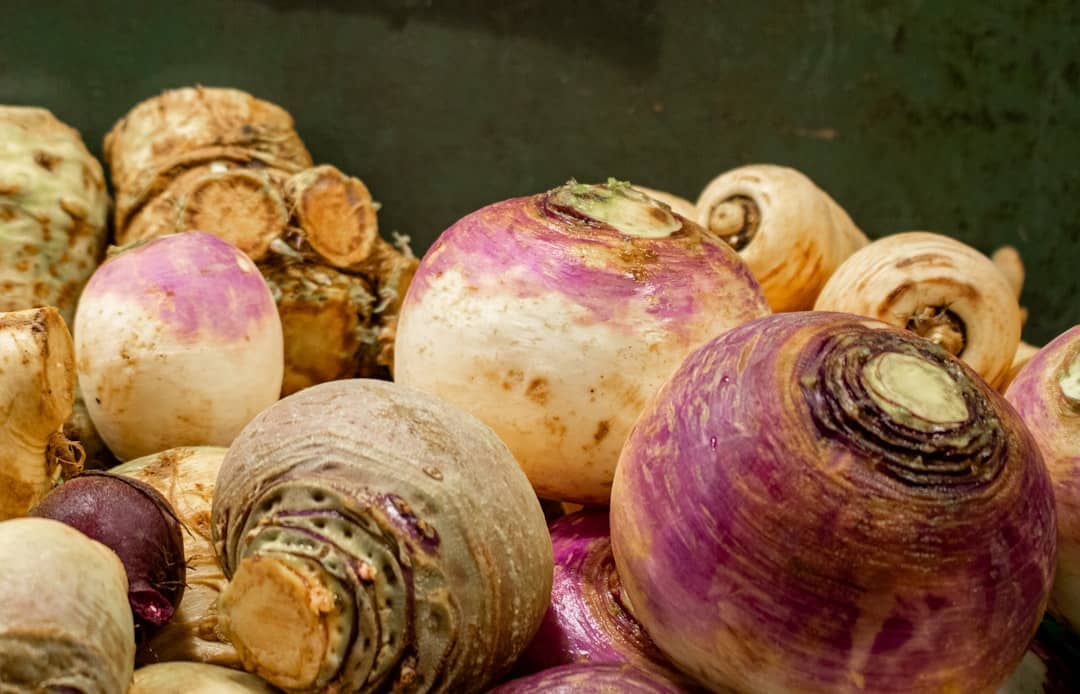
Winter is Coming: Storing Turnips and Lotus Roots Like a Pro
Why Knowing How to Preserve Root Vegetables Can Save Your Harvest
How to preserve root vegetables comes down to controlling four things: temperature, humidity, light, and airflow. Get those right, and your harvest can last months without refrigeration or canning.
Quick answer — the core methods:
| Method | Best For | Key Condition |
|---|---|---|
| Cool, damp sand or peat moss box | Carrots, beets, celeriac | 32-40°F, ~95% humidity |
| Mesh bags or braided strings | Onions, garlic | 32-45°F, dry and dark |
| Cured and stored in a dark room | Potatoes, sweet potatoes | 35-60°F, good airflow |
| In-ground with thick mulch layer | Carrots, parsnips, turnips | Above 25°F, 6+ inches of straw |
| Freezing or pressure canning | Any root vegetable | Blanch first, proper headspace |
Most root vegetables prefer storage temperatures between 32 and 40°F (0-4.5°C). Even a five-degree swing can trigger sprouting or rot.
You put real effort into growing that harvest. The last thing you want is to watch it shrivel in a crisper drawer or turn soft in a forgotten corner of the garage.
The good news? Root vegetables are built for long-term storage. Before refrigerators existed, people kept entire winter supplies of potatoes, carrots, and turnips fresh for months using nothing but cool air, darkness, and a little damp sand. Those same methods still work today — and you don’t need a traditional root cellar to pull it off.
This guide covers everything from proper curing and harvest prep to DIY storage setups, container choices, and quick-preservation backup plans like freezing and fermentation.
The Science of How to Preserve Root Vegetables: Temperature and Humidity
As we approach April 2026, many of us are looking at our garden yields and wondering how to keep that food security intact through the year. The “magic” of root storage isn’t magic at all; it’s biology. Root vegetables are living organisms in a state of dormancy. To keep them from “waking up” (sprouting) or “dying” (rotting), we must mimic the conditions of a cold, damp earth.
According to Scientific research on root vegetable storage, the sweet spot for most roots is between 32°F and 40°F (0-4.5°C). Why is this range so critical? Because at 40°F and above, the internal clock of the vegetable starts ticking faster. It begins to respire more quickly, consuming its stored sugars and eventually sprouting.
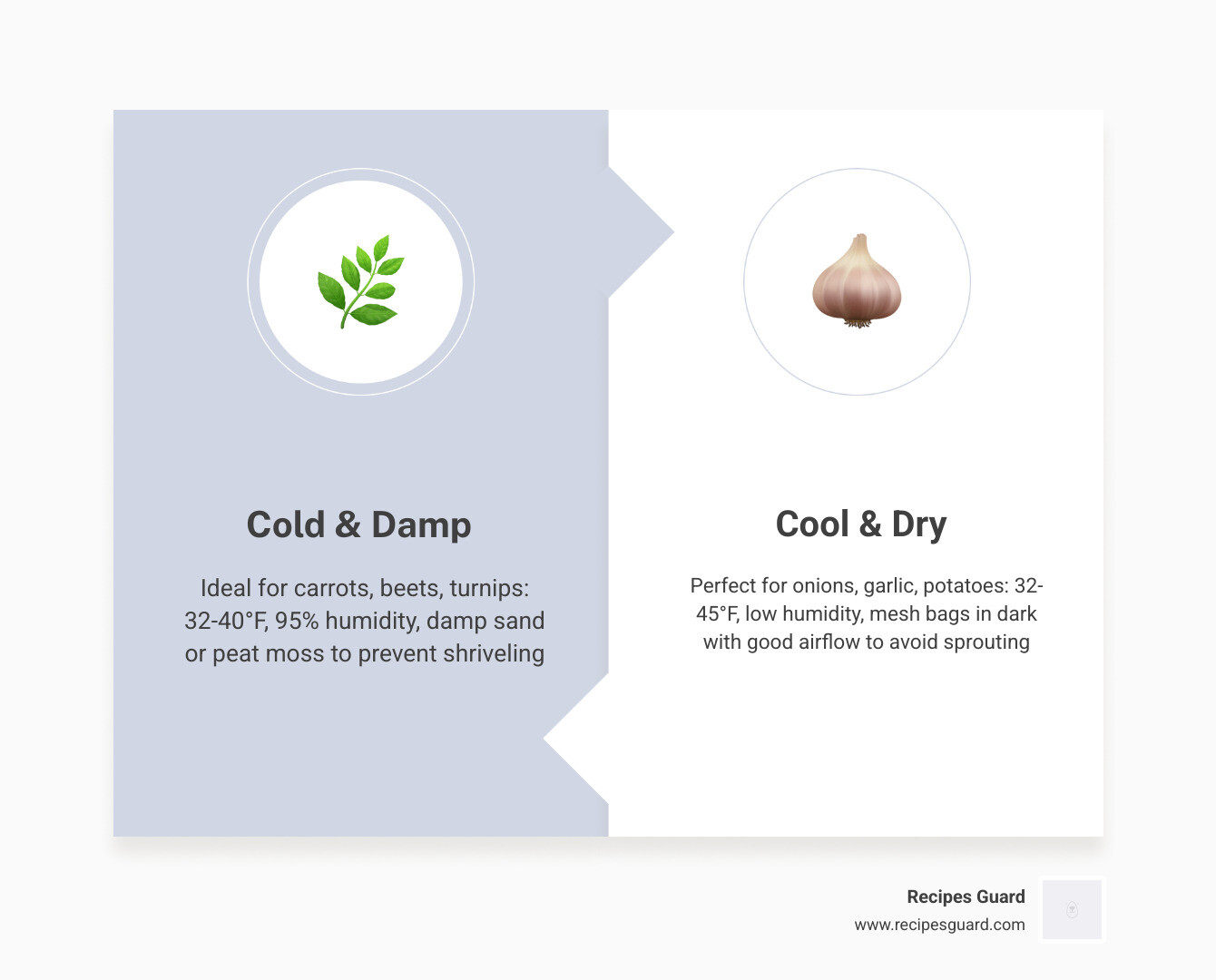
Humidity is the other half of the equation. Most roots require a staggering 90% to 95% humidity. Without it, they lose moisture to the air and turn into wrinkled, rubbery sticks. However, bulb vegetables like onions and garlic are the rebels of the group—they prefer a “cool and dry” environment to prevent mold.
| Vegetable | Ideal Temp | Humidity | Storage Life |
|---|---|---|---|
| Carrots | 32-40°F | 95% | 4-6 Months |
| Potatoes | 38-40°F | 90% | 5-8 Months |
| Beets | 32-40°F | 95% | 1-3 Months |
| Onions | 32-45°F | 60-70% | 6-7 Months |
| Garlic | 32-45°F | 60-70% | 4-6 Months |
| Lotus Root | 33-37°F | 90% | 2-3 Weeks |
We also need to talk about ethylene gas. Some produce, like ripening apples, gives off this gas, which acts as a ripening hormone. If you store your potatoes next to a crate of apples, those potatoes will sprout much faster than they should. Ventilation is key to whisking away these gases and preventing stagnant air from breeding rot.
Ideal Conditions for How to Preserve Root Vegetables
When learning how to preserve root vegetables, darkness is your best friend. Light is the trigger for photosynthesis. For a potato, light means it’s time to turn green and produce solanine (a bitter, toxic compound). For a carrot, light means it’s time to try and grow leaves again.
Maintaining dormancy is about consistency. Variations of even five degrees Fahrenheit can cause a crop to fail. If your storage area warms up during the day and cools at night, the vegetables get “confused,” leading to premature decomposition. For specialty items like lotus root, dormancy is even more fragile; they prefer to be kept submerged in cold water or wrapped in very damp cloths to prevent the oxidation that turns them brown.
Managing Humidity When Learning How to Preserve Root Vegetables
How do we hit 95% humidity without a professional climate-controlled warehouse? We use nature’s insulators. Packing roots in damp sand, peat moss, or untreated sawdust creates a micro-environment that holds moisture directly against the vegetable while allowing just enough air to move through.
We recommend using a digital hygrometer to monitor your storage spaces. If the air gets too dry, your carrots will shrivel. If it’s too wet and stagnant, you’ll find fuzzy white mold. Using moisture-resistant shelving, such as metal HVAC-taped racks or plastic bins, is a smart move to prevent the storage structure itself from rotting along with your food.
Preparation and Curing: The Secret to Longevity

You can’t just pull a beet out of the ground and toss it in a box. Proper preparation is the difference between a harvest that lasts until spring and one that turns to mush by Thanksgiving. For more on the basics of getting your kitchen ready for the harvest, check out our More info about preserving basics.
The first rule of harvest: Wait for the right time. For most root crops, you want to harvest as late as possible in the fall, but before the ground freezes solid (usually before temps drop below 25°F). Cold weather actually triggers a survival response in parsnips and carrots, converting starches into sugars, which makes them taste sweeter!
The Role of Curing for Specific Crops
Curing is the process of letting the outer skin of a vegetable dry and toughen up. This “armor” prevents moisture loss and blocks pathogens.
- Potatoes: These need about 10 days at 55-60°F in a dark, airy place. This heals any nicks from the shovel.
- Sweet Potatoes: These are the tropical cousins; they need a warm “spa day” at 85°F with high humidity for 5-10 days to develop their sweetness.
- Onions and Garlic: These must be cured until the outer skins are papery and the neck (where the green tops were) is completely dry and tight.
According to Scientific research on curing techniques, failing to cure these crops is the number one reason for storage rot.
Cleaning and Selection Best Practices
When you dig up your roots, you’ll be tempted to grab the garden hose. Don’t do it. Washing root vegetables before storage introduces excess moisture into the “pores” of the vegetable, which is an open invitation for mold. Instead, gently brush off the large clumps of dirt. We like to leave the roots in the sun for a few hours immediately after digging; this kills the tiny root hairs and tells the plant it’s time to go dormant.
Follow the “One Bad Apple” rule: only store the absolute best specimens. Any vegetable with a bruise, a cut from a pitchfork, or signs of insect damage should be eaten immediately or processed into a ferment. One rotting rutabaga can off-gas enough heat and moisture to spoil the entire bin.
No Root Cellar? DIY Storage Solutions
Most of us in 2026 don’t have a 19th-century stone cellar under our homes. That’s okay! We can get creative. One of our favorite methods is the trash can root cellar. You bury a metal trash can in the ground, layer your veggies with straw, and top it with a heavy lid and more straw. The earth provides the insulation, keeping the contents at a steady, cool temperature. If you’re looking for ways to keep your other kitchen staples fresh, you might also enjoy our guide on how to save your salty snacks.
Household Spaces for Root Storage
Look around your home with fresh eyes. Is there a corner of the basement that stays chilly? An unheated mudroom or a crawl space? Even an apartment closet against an exterior wall can work if you insulate a box with four to five inches of foam or straw.
For lotus root, which is notoriously difficult to store, try keeping it in a bucket of cold water in the back of the fridge or a cold garage, changing the water every few days. This mimics its natural pond environment and prevents the flesh from discoloring.
Recommended Containers and Materials
The container you choose dictates the airflow.
- Mesh bags and Burlap: Perfect for onions and garlic because they allow maximum breathability.
- Plastic bags with holes: Good for the refrigerator crisper to keep carrots from drying out while still letting them “breathe.”
- Sand Boxes: The gold standard for carrots, beets, and parsnips. Layer the vegetables so they don’t touch each other, and cover them with damp sand or sawdust.
As noted in Scientific research on storage containers, packing material like sawdust can reduce surface evaporation by up to 50%, significantly extending the life of your produce.
Quick Preservation: Freezing, Canning, and Fermentation
Sometimes, life gets in the way, or your “cool” garage stays a bit too warm. When long-term raw storage isn’t feasible, it’s time to move to active preservation. At Recipes Guard, we are big fans of the “set it and forget it” nature of root storage, but we also love the flavor of a well-crafted preserve. Check out our Quick and Easy Pickled Vegetables for Every Meal for some inspiration.
Fermentation as a Long-Term Alternative
This is where we specialize. Fermenting root vegetables like turnips (into “Sauerrüben”) or carrots isn’t just about preservation; it’s about nutrition. Lactic acid fermentation creates probiotics that are great for gut health. It also lowers the pH of the vegetable, making it shelf-stable in a cool environment for months. Always remember to follow Safety First: A Guide to Preserving Fermented Foods to ensure your brines are at the correct salinity to keep bad bacteria at bay.
Freezing and Canning Root Crops
If you prefer the convenience of a jar or a freezer bag:
- Freezing: You must blanch your roots first. This stops the enzymes that cause flavor and color loss. Carrots usually need 2-5 minutes in boiling water depending on the cut.
- Canning: Root vegetables are low-acid foods. This means you must use a pressure canner to prevent botulism. Always leave at least 1-inch of headspace in your jars.
- Color Bleeding: When canning beets, leave an inch of the stem and the root tail on during the initial boil to keep the red color from bleeding out.
For more recipes to fill your pantry, explore our Category: Fermented Recipes.
Frequently Asked Questions about How to Preserve Root Vegetables
What are the best root vegetables for long-term storage without a root cellar?
Potatoes, carrots, onions, and garlic are the champions. Carrots and parsnips can even be left in the garden soil all winter if you cover the row with 6–12 inches of straw or hay. This “in-ground” storage keeps them perfectly crisp until the ground thaws.
How long can common root vegetables like carrots and potatoes typically store?
Under ideal conditions (32-40°F, high humidity), potatoes can last 5 to 8 months, and carrots can last 4 to 6 months. Onions and garlic, if cured properly and kept dry, typically last 6 to 7 months.
Should you wash root vegetables before putting them into storage?
No! Washing is the enemy of long-term storage. Water can get trapped in the skin and encourage fungal growth. Simply brush off the loose dirt and let the vegetables dry in a shady, airy spot before packing them away.
Conclusion
Mastering how to preserve root vegetables is one of the most rewarding skills for any home gardener or food enthusiast. As we look toward the harvest of April 2026, your storage area is a living system. Check your bins once a month. If you smell something “off,” find the culprit immediately before the rot spreads.
Whether you’re burying a trash can in the backyard, stacking sand-filled crates in your mudroom, or bubbling up a batch of fermented turnips, you’re taking a huge step toward self-sufficiency.
Ready to dive deeper into food security? Start your preservation journey here and join our community of home preservers!