Beginner’s Guide to Fermented Pet Food
Why Fermented Pet Food Is Worth Your Attention
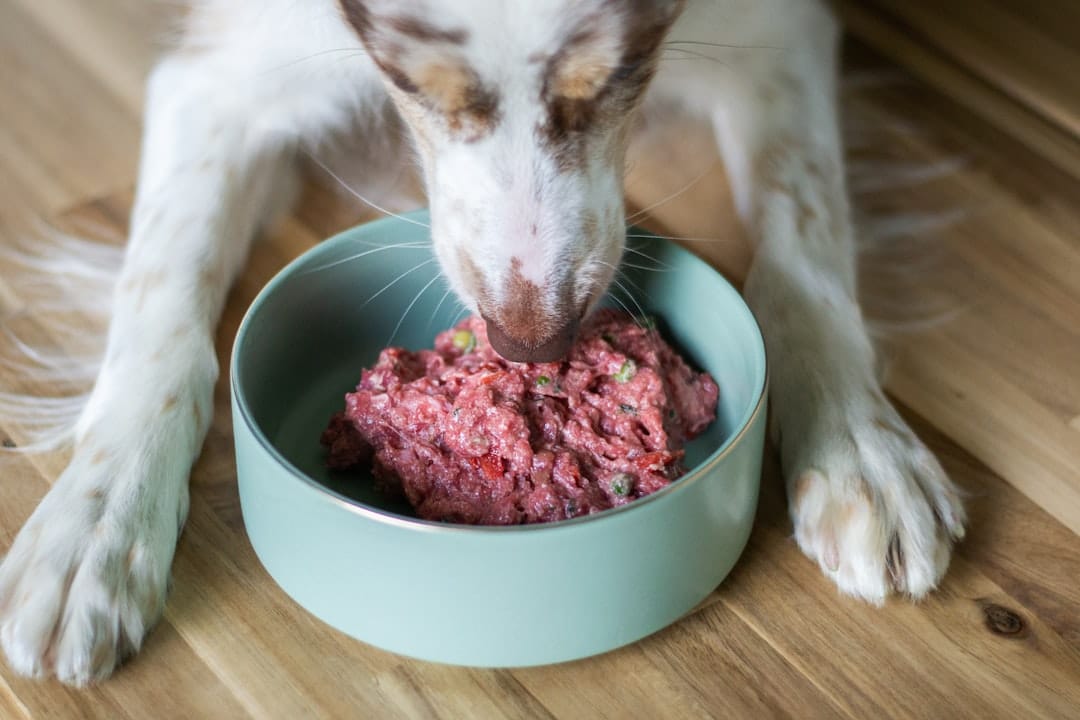
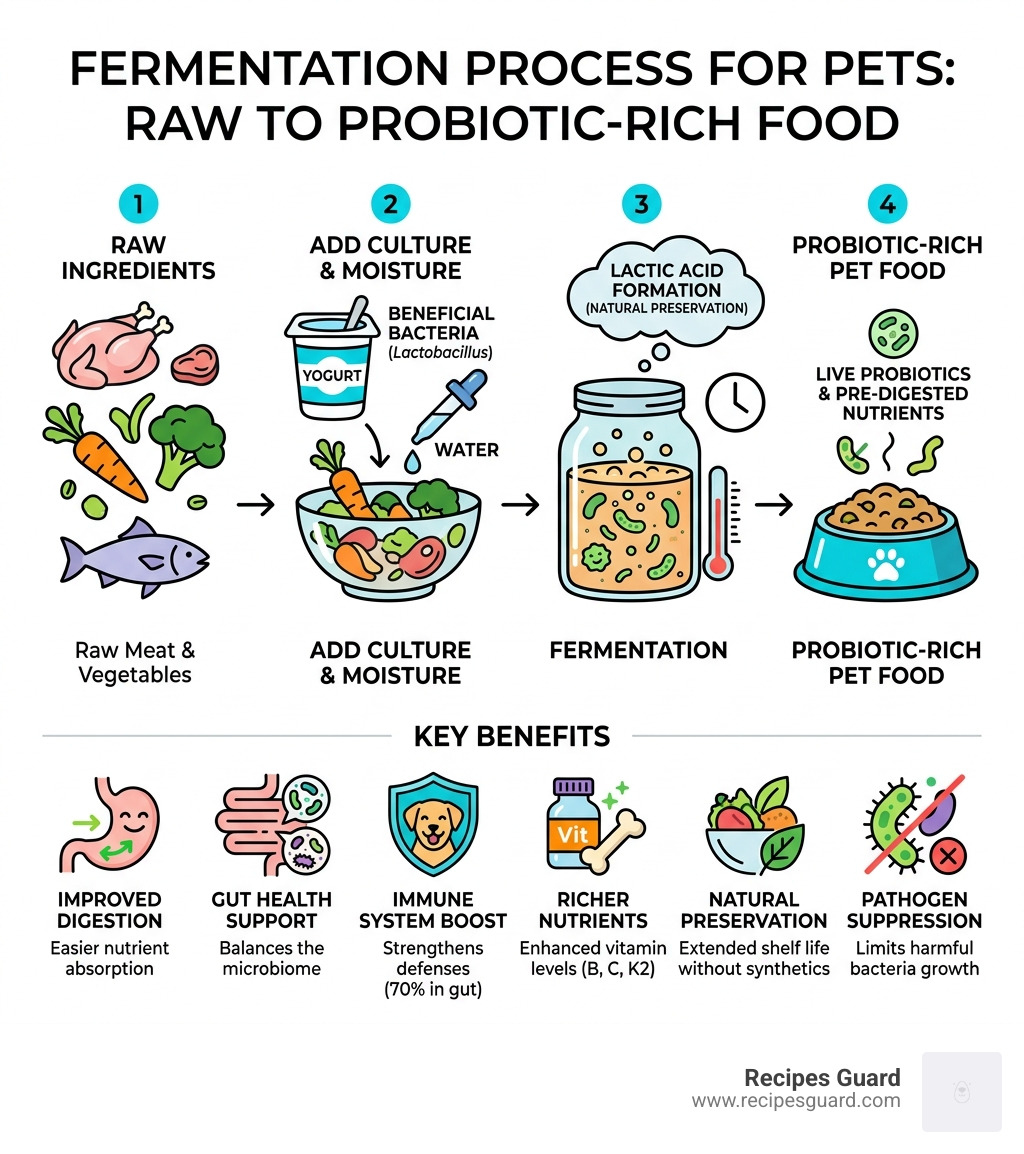
Fermented pet food is food — usually raw meat, vegetables, or dairy — that has been transformed by beneficial bacteria through a process called lacto-fermentation. The result is a nutrient-dense, probiotic-rich meal that is easier for your dog to digest than standard kibble or even plain raw food.
Here is a quick overview of what fermented pet food offers:
- Better digestion — fermentation pre-digests nutrients so your dog absorbs more
- Gut health support — live beneficial bacteria help balance the microbiome
- Immune system boost — 70% of the immune system is based in the gut
- Natural preservation — lactic acid extends shelf life without synthetic additives
- Richer nutrients — fermentation produces vitamins C, K2, and B that may not be present in the original ingredients
- Reduced harmful bacteria — the fermentation process actively suppresses pathogen growth
It is not the same as raw food alone. And it is different from simply sprinkling a probiotic powder on top of kibble. The fermentation process changes the food itself at a biological level.
If you already love making sauerkraut, kefir, or fermented vegetables at home, you already have most of the knowledge and tools you need to make fermented food for your pet too.
This guide covers everything: the science, the benefits, the risks, feeding guidelines, and simple DIY recipes you can start with today.
Dogs historically consumed fermented material in the wild — including the partially digested gut contents of prey animals. So in many ways, fermented food is not a new trend. It is a return to something ancestral.
Modern research is now catching up. Studies show that fermented plant additives significantly reduce intracellular superoxide levels in cells, and that dogs actually prefer foods made with certain fermented ingredients over standard control diets.
The science is still growing, but what we know so far is promising.
What is Fermented Pet Food and How Does It Differ?
At its core, fermented pet food is about using the power of beneficial microbes—specifically Lactobacillus—to transform raw ingredients. This process, known as lacto-fermentation, occurs when these bacteria convert sugars and starches into lactic acid.
This lactic acid acts as a natural preservative, lowering the pH of the food to a level where “bad” bacteria like Salmonella or E. coli struggle to survive. But the magic doesn’t stop at safety. This process also acts as a form of “pre-digestion.” Because the bacteria have already started breaking down the cellular structure of the food, your pet’s digestive system doesn’t have to work nearly as hard. This leads to significantly improved nutrient absorption.
How does this differ from what you see on the average pet store shelf in April 2026? Let’s break it down:
- Traditional Kibble: This is ultra-processed. It’s cooked at high temperatures, which destroys natural enzymes and fragile nutrients. Manufacturers have to add synthetic vitamins back in just to meet basic nutritional requirements. Most “probiotics” added to kibble are sprayed on after cooking and often don’t survive the shelf life or the acidic environment of a dog’s stomach.
- Standard Raw Diets: These are great for providing bioavailable protein, but they can sometimes carry risks of bacterial contamination if not handled perfectly. They also lack the “postbiotic” benefits—the healthy metabolic byproducts—created during fermentation.
- Fermented Pet Food: This takes the benefits of raw food and supercharges them. It introduces a massive diversity of live cultures and enzymes. It’s safer because the fermentation process naturally inhibits pathogens, and it’s more nutritious because the fermentation creates new vitamins and increases the bioavailability of minerals.
When working with these foods, safety is paramount. We always recommend following a Safety First: A Guide to Preserving Fermented Foods approach to ensure the environment remains hospitable only to the good guys.
Comparison Table: Kibble vs. Raw vs. Fermented
| Feature | Traditional Kibble | Standard Raw Diet | Fermented Pet Food |
|---|---|---|---|
| Nutrient Bioavailability | Low (synthetic additives) | High (natural) | Superior (pre-digested) |
| Probiotic Content | Minimal/Inactive | Low | Extremely High & Diverse |
| Enzyme Activity | None (killed by heat) | Moderate | High |
| Pathogen Safety | High (due to heat) | Variable | High (natural inhibition) |
| Digestibility | Moderate | High | Highest |
The Science-Backed Benefits of Fermentation
We often hear that “you are what you eat,” but for our pets, it’s more accurate to say they are what they absorb. Fermentation is the ultimate key to unlocking nutrition.
One of the most exciting aspects of fermented pet food is the creation of nutrients that weren’t there to begin with. During the fermentation process, bacteria produce several essential vitamins, including Vitamin C, Vitamin K2, and various B vitamins. They also generate a wealth of digestive enzymes that help break down proteins and fats more efficiently.
Furthermore, fermented foods act as natural chelators. This means they can help bind to and detoxify heavy metals and other environmental toxins that our pets might encounter in their daily lives. By providing these foods, we aren’t just feeding them; we are helping their bodies clean house.
Improving Gut Health with Fermented Pet Food
It is a well-established fact in veterinary science that roughly 70% of a dog’s immune system resides in the gut. This makes the gut microbiome the “first line of defense” against everything from seasonal allergies to chronic disease.
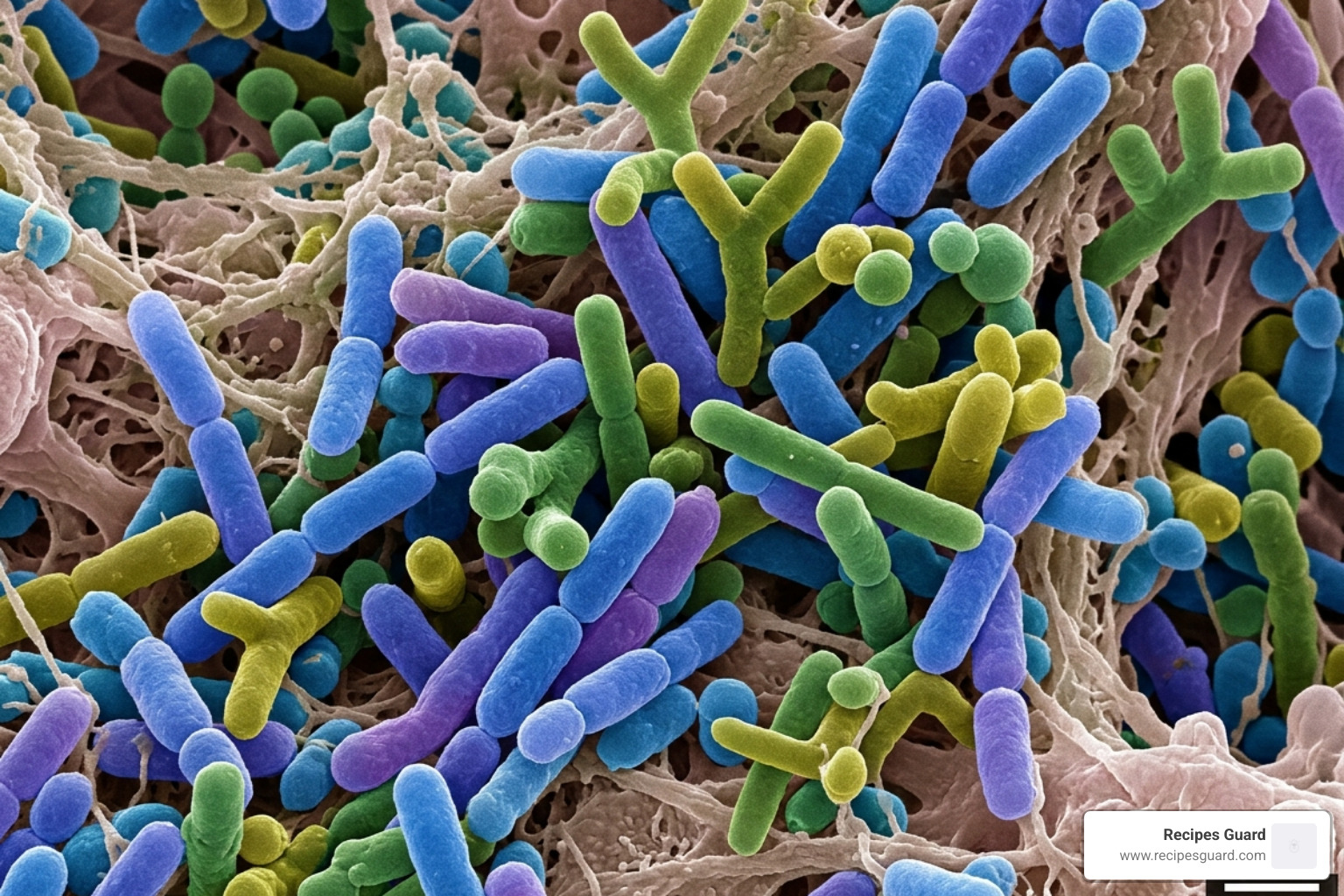
Fermented pet food supports this system by increasing microbial diversity. Unlike a synthetic supplement that might only contain two or three strains of bacteria, a fermented food like kefir or sauerkraut can contain dozens of different strains. Research into fecal microbiota has shown that dogs fed fermented additives have higher counts of beneficial microorganisms in their digestive tracts. This shift helps crowd out pathogenic bacteria, leading to better stool quality—or what many pet parents affectionately call “better poop.”
Antioxidant Activity and Oxidative Stress
Oxidative stress is a major driver of aging and disease in dogs. This happens when there is an imbalance between free radicals and antioxidants in the body.
Recent scientific studies have provided some incredible data here. For example, researchers found that fermented plant samples significantly reduced intracellular superoxide levels in cells (p < 0.001) compared to their non-fermented counterparts. This means that the fermentation process actually enhances the antioxidant power of the ingredients.
Instead of relying on synthetic antioxidants (which have raised some toxicity concerns in recent years), fermented pet food offers a safe, natural, and highly effective way to reduce oxidative stress and inflammation in our furry friends.
Safety, Risks, and Feeding Guidelines
While we are huge advocates for the “funk” of fermentation, it’s important to introduce these foods correctly. Most dogs thrive on them, but there are a few things to keep in mind.
First, consider the “die-off” effect. When you introduce a powerful source of beneficial bacteria, they may start killing off “bad” bacteria and yeast in the gut. This can occasionally lead to a temporary upset stomach or loose stools if you go too fast.
There are also specific conditions where you should exercise caution:
- Yeast Issues: If your dog is currently battling a systemic yeast infection (often seen as red, itchy paws or “Frito feet”), some experts suggest pausing fermented foods. The logic is that the sugars or certain yeasts in the ferment might inadvertently feed the existing infection. It’s often better to resolve the yeast issue first.
- Histamine Intolerance: Fermentation increases histamine levels. While most dogs handle this fine, some dogs with extreme allergies might show signs of histamine intolerance, such as increased itching or redness immediately after eating.
To learn more about the fundamentals of safe handling, check out our section on Preserving Basics.
Feeding Guidelines for Fermented Pet Food
The golden rule for fermented pet food is: Start low and go slow.
- Dosage: A general guideline is to give dogs 1/2 to 1 teaspoon of fermented vegetables per 20 pounds of body weight.
- Introduction: Start with just a tiny dab—perhaps half the recommended dose—once a day. Monitor their stool and energy levels for a few days before increasing.
- Rotation: Don’t just stick to one thing. Rotate between fermented cabbage (sauerkraut), fermented carrots, kefir, and even fermented microgreens. Different plants offer different “prebiotic” fibers that feed different strains of bacteria.
- Temperature: Never microwave or heat fermented food! High heat kills the live probiotics and destroys the beneficial enzymes. Serve it at room temperature or slightly chilled.
For more ideas on what you can create, browse our Category: Fermented Recipes.
Enhancing Palatability and Preference
You might wonder, “Will my dog even eat this?” The answer is usually a resounding yes. In fact, fermentation often makes food more appealing to dogs because it enhances the aroma and creates savory “umami” flavors.
In scientific preference testing (using the “two-pan method”), researchers found that dogs showed a significant preference for foods with fermented additives. For example:
- Fermented Glasswort: Intake ratio of 0.60 vs. control 0.40 (p < 0.05).
- Fermented Mugwort: Intake ratio of 0.61 vs. control 0.39 (p < 0.05).
This suggests that fermented pet food isn’t just a “health food” your dog has to tolerate—it’s something they genuinely enjoy.
DIY Fermentation: Vegetables and Superfoods for Pets
Making your own fermented pet food is surprisingly simple and cost-effective. You don’t need a lab; you just need a clean kitchen and a little patience.
One of our favorite starting points is fermented vegetables. You can use a mix of organic cabbage, carrots, and even “superfoods” like broccoli microgreens. Did you know that microgreens contain 40 to 400 times more nutrients by weight than their mature counterparts? Broccoli microgreens, in particular, contain 10 to 100 times more sulforaphane—a powerful cancer-fighting compound.
A Simple DIY “Pet Kraut” Recipe:
- Shred organic cabbage and carrots.
- Add a small amount of sea salt (about 1.5% to 2% of the weight of the veggies) to draw out the moisture.
- Pack them tightly into a glass jar until the liquid (brine) covers the vegetables completely.
- Let it sit at room temperature for 7–14 days.
If you want to get more adventurous, you can explore Mastering the Art of Lacto-Fermented Hot Sauce (though keep the spicy peppers for yourself and stick to the mild veggies for the dog!) or try our Don’t Be Afraid of the Funk with This Easy Fermented Garlic Recipe—yes, small amounts of fermented garlic can be a wonderful immune booster for dogs when used correctly.
Frequently Asked Questions about Fermented Pet Nutrition
Can I cook fermented pet food?
We strongly advise against it. The primary value of fermented pet food lies in its “living” nature. Cooking the food at high temperatures will cause probiotic destruction and enzyme loss. It essentially “kills the magic.” If you are worried about your dog eating cold food, simply let the portion sit on the counter for 15–20 minutes to take the chill off before serving.
How does fermentation compare to standard probiotics?
Standard probiotics are like a “skeleton crew”—they provide a few specific strains of bacteria in a capsule. Fermentation provides a “whole village.” Not only do you get a much wider variety of bacterial strains, but you also get the prebiotics (the food the bacteria eat) and the postbiotics (the healthy compounds the bacteria produce). Whole-food fermentation is almost always superior to generic supplements because of this complex synergy.
Is fermented food safe for dogs with allergies?
In many cases, it is a game-changer for dogs with allergic dermatitis or food sensitivities. Many allergies are actually caused by “leaky gut” syndrome, where an unhealthy gut lining allows toxins to enter the bloodstream. By healing the gut with fermented foods, you may see a reduction in skin redness and itching. However, as mentioned earlier, if your dog has a known histamine sensitivity, monitor them closely.
Conclusion
As we move through 2026, the shift toward holistic pet care continues to grow. We have seen over 14,500 happy customers across the fermentation industry realize that the “old ways” of food preservation are often the best ways to support modern health.
Fermented pet food is more than just a trend; it is a scientifically backed method to improve digestion, boost the immune system, and provide our pets with the vibrant health they deserve. Whether you choose to buy high-quality commercial fermented raw diets or start your own “Pet Kraut” at home, your dog’s gut will thank you.
Ready to start your journey into “the funk”? Explore our Fermented Recipes and discover how easy it is to transform your pet’s health, one spoonful at a time.