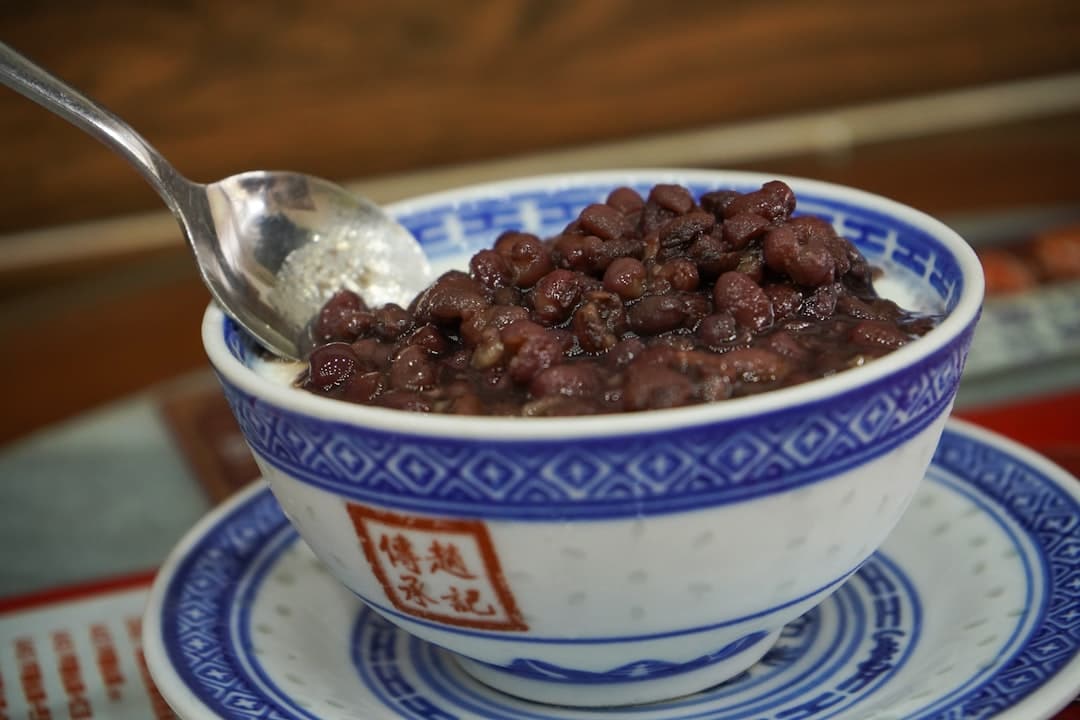
The Ultimate Adzuki Bean Miso Recipe Guide
Why the Adzuki Bean Miso Recipe Deserves a Place in Your Fermentation Repertoire
An adzuki bean miso recipe gives you a rich, umami-packed fermented paste made from small red adzuki beans, rice koji, and salt — a flavorful alternative to traditional soybean miso.
Quick answer: How to make adzuki bean miso
- Soak dried adzuki beans overnight
- Cook until soft, then mash
- Mix with rice koji and non-iodized salt
- Pack firmly into a sterilized jar, removing all air bubbles
- Cap with salt, cover, and weight down
- Ferment in a cool, dark place for a minimum of 6 months
Most home fermenters are surprised to learn that adzuki beans make exceptional miso. They are high in protein (17g per cooked cup), packed with fiber, and carry a naturally sweet, nutty flavor that carries beautifully through the fermentation process.
The result? A deeply savory paste you can use in soups, stews, dressings, dips, and glazes — and one you made entirely from scratch.
This guide covers everything: the full step-by-step fermentation process, quick no-ferment recipes using store-bought miso and adzuki beans, troubleshooting tips, storage advice, and more.
Understanding Adzuki Beans and Miso Fermentation
To master the adzuki bean miso recipe, we first need to understand the stars of the show. Adzuki beans (Vigna angularis) are small, dark red beans with a distinctive white ridge. While they are famous in Japanese tradition for sweet applications like anko (red bean paste), they possess a savory potential that is often overlooked in Western kitchens.
Why Choose Adzuki over Soy?
For many of us, soybeans can be difficult to digest or are avoided due to allergies. Adzuki beans serve as a fantastic soybean alternative. Nutritionally, they are powerhouses. One cup of cooked adzuki beans contains roughly 294 calories, a whopping 17 grams of protein, and 16.8 grams of fiber. That is actually more protein than you’ll find in kidney beans!
When we ferment these beans into miso, we aren’t just changing the flavor; we are unlocking a treasure trove of health benefits. Miso fermentation produces millions of beneficial bacteria—probiotics—that support our GI tract, balance blood sugar, and even influence our mood and immune function.
The Magic of Vitamin K2 and Umami
One of the most significant “secret” benefits of homemade miso is Vitamin K2. While K1 is found in leafy greens for blood clotting, K2 is crucial for bone health and cardiovascular wellness, helping to prevent osteoporosis and atherosclerosis. Since K2 is primarily synthesized by bacteria in fermented foods, this adzuki bean miso recipe is a functional medicine staple in a jar.
Furthermore, adzuki beans are traditionally believed to support kidney function. When combined with the “fifth taste” or umami—provided by the Aspergillus oryzae (koji) mold—the result is a Miso-Adzuki Stew Recipe that feels both medicinal and incredibly indulgent.
Homemade Adzuki Bean Miso Recipe: Step-by-Step Guide
Making miso at home is an exercise in patience and precision. We aren’t just cooking; we are curating an ecosystem. Before we start, let’s look at the gear. You’ll need a sterilized glass jar (Fido jars with rubber gaskets are excellent), a glass weight to keep the paste compressed, and ideally, an airlock to allow gases to escape while keeping oxygen out.

The Ratio Matters
The secret to a successful miso is the balance between the beans, the koji, and the salt.
| Feature | Adzuki Bean Miso | Traditional Soybean Miso |
|---|---|---|
| Primary Bean | Adzuki (Vigna angularis) | Soybean (Glycine max) |
| Flavor Profile | Sweet, nutty, earthy | Savory, salty, pungent |
| Protein Content | 17g per cup | 28g per cup |
| Fermentation Time | 6 months to 1 year | 6 months to 3 years |
| Texture | Smooth and creamy | Granular to smooth |
Ingredients for Your Adzuki Bean Miso Recipe
To get started, gather these high-quality ingredients. The quality of your water and salt affects the health of the koji.
- 2 cups Dried Adzuki Beans: Look for organic beans in natural food stores or Asian markets.
- 2 cups Rice Koji: This is rice inoculated with Aspergillus oryzae. Ensure it is organic brown rice koji if you want a deeper flavor.
- 1/2 cup Non-iodized Sea Salt: Iodine can inhibit fermentation, so stick to pure sea salt or Himalayan salt.
- Filtered Water: Chlorine in tap water can harm the microbes.
- Optional: A strip of kombu seaweed to add to the bean cooking water for extra minerals and umami.
Step-by-Step Adzuki Bean Miso Recipe Instructions
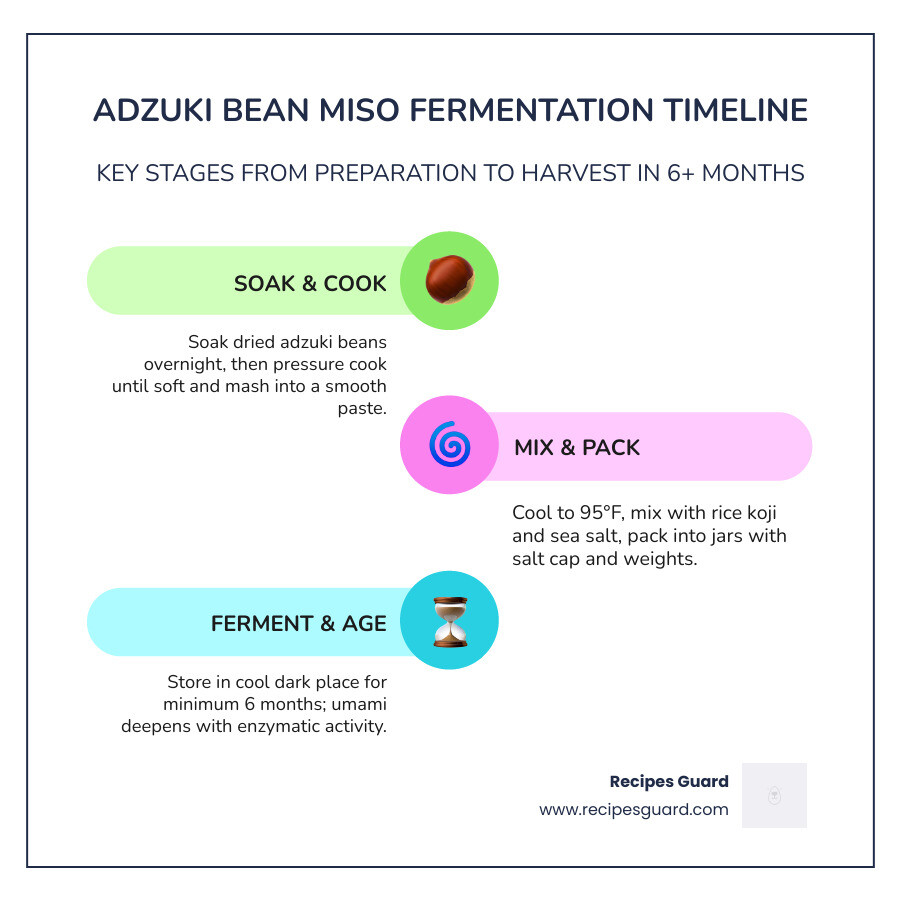
- Soaking: Rinse your dried adzuki beans thoroughly. Place them in a large bowl and cover with filtered water (at least 2 inches above the beans). Let them soak overnight. They will expand significantly!
- Cooking: Drain and rinse the soaked beans. Place them in a heavy pot or pressure cooker. If using a pot, cover with fresh water and simmer for about 45–60 minutes. In an Instant Pot, 15–20 minutes on high pressure usually does the trick. You want them soft enough to mash easily between two fingers.
- Mashing: Drain the beans, but save the cooking liquid! This liquid is “liquid gold” and contains starches that help the fermentation. While the beans are still warm (but not hot), mash them using a potato masher, a sturdy fork, or even a food processor if you prefer a very smooth miso.
- Cooling: This is the most critical step. Let the mashed beans cool to body temperature (about 90°F or 32°C). If you add the koji while the beans are too hot, you will kill the mold spores and your miso won’t ferment.
- Mixing: In a separate bowl, dissolve about 1 tablespoon of salt into a half-cup of the reserved bean water. Mix this with your rice koji. Then, combine the koji mixture with your mashed adzuki beans. Mix thoroughly with clean hands.
- Packing: Take your sterilized jar. Moisten the inside walls and coat them with a little salt. Ball up the miso paste and throw it into the jar—literally! Throwing it helps knock out air pockets.
- The Salt Cap: Once the jar is packed and the surface is leveled, sprinkle a generous layer of salt over the top. This acts as a barrier against bad molds.
- Weighting: Place a piece of parchment paper over the salt, then set your glass weight on top. Seal the jar with an airlock.
Mastering the Fermentation and Aging Process
Now comes the hard part: waiting. As of April 2026, if you start your miso today, you won’t be tasting the full depth of its flavor until the autumn or winter.
The 6-Month Minimum
While some “sweet” misos can be ready in a month, a true adzuki bean miso recipe requires at least 6 months to develop its characteristic red color and complex flavor. During this time, the enzymes from the koji are breaking down the bean proteins into amino acids (umami) and the starches into simple sugars.
Factors Affecting Flavor
- Temperature: Store your jar in a cool, dark place. A consistent temperature between 60°F and 75°F is ideal. Fluctuations can lead to off-flavors.
- Color Changes: Don’t be alarmed if your miso darkens. Adzuki miso typically turns a deep, rich burgundy as it ages.
- The “Yucky” Layer: When you finally open your jar, you might see a thin layer of white film (kahm yeast) or even a bit of dark mold on the very top. This is normal! Simply scrape off the top half-inch and discard it. The miso underneath should smell sweet, salty, and fermented.
Once harvested, transfer your miso to smaller glass jars and store them in the refrigerator. This slows down the fermentation process significantly, allowing you to enjoy your creation for a year or more.
Creative Ways to Use Your Adzuki Bean Miso
Once you have your homemade paste (or even if you’re using a store-bought version to get started), the culinary possibilities are endless. Because adzuki beans have a natural sweetness, this miso is incredibly versatile.
Savory Stews and Soups
If you’re looking for a comforting meal, a Creamy Miso & Adzuki Bean Soup is a fantastic place to start. The creaminess of the mashed beans combined with the salty punch of the miso creates a “reset” meal that is perfect after a long trip or a period of indulgence.
For something heartier, try an Instant Pot Adzuki Bean Soup. These soups typically clock in around 265 calories per serving and provide a balanced profile of 16g of protein and 7g of fat.
Dressings and Dips
Don’t limit yourself to hot dishes. You can whisk a tablespoon of your adzuki miso with orange juice, ginger, and olive oil to create Adzuki Beans With Miso Dressing. It’s a refreshing way to add probiotics to a summer salad.
Pro-tip: We love spreading a thin layer of adzuki miso on crispy apple slices. It sounds strange, but the salt-sweet-crunch combination is an absolute game-changer for snack time!
Substitution Ratios
Can you use adzuki miso in place of standard soybean miso? Absolutely! Use a 1:1 ratio. That adzuki miso is often slightly sweeter and less “funky” than long-aged dark soybean miso, so you might want to adjust the salt or sugar in your recipe accordingly.
Troubleshooting and Best Practices
Fermentation is a living process, and sometimes things go sideways. Here is how to keep your adzuki bean miso recipe on track.
- Avoid Scorching: When cooking your adzuki beans, keep an eye on the water level. Scorched beans will ruin the flavor of the entire batch of miso.
- Air Pockets are the Enemy: When packing your jar, press down firmly. Air pockets are where bad mold likes to grow. If you see large bubbles forming against the glass during the first few weeks, use a sterilized skewer to let the air out.
- Salt Ratios: Never skimp on the salt. Salt is what prevents putrefaction. If your miso smells like gym socks or rotting garbage, something went wrong with the salt ratio or the sterilization, and it should be discarded.
- Sourcing Koji: If you can’t find koji locally, many reputable online fermenting supply shops ship dried rice koji that works perfectly for this recipe.
- Altitude Adjustments: If you live at a high altitude, beans take longer to cook. Use a pressure cooker to save time and ensure the beans are soft enough for mashing.
Frequently Asked Questions about Adzuki Bean Miso
Can I make a quick version of adzuki bean miso without fermenting for months?
While you can’t “fast-forward” the fermentation of the paste itself, you can make a “quick miso soup” using canned adzuki beans and store-bought miso paste. Simply sauté aromatics like ginger and garlic, add the beans and broth, and whisk in the miso at the very end. It won’t have the same enzymatic depth as the 6-month fermented version, but it’s a great 20-minute meal.
Is adzuki bean miso gluten-free and vegan?
Yes! As long as your koji was grown on rice (which is traditional) and not barley, the adzuki bean miso recipe is naturally gluten-free. It is also 100% vegan, making it a staple for plant-based protein and umami.
How do I know if my homemade miso has gone bad?
Trust your nose. Fermented miso should smell pleasant—salty, earthy, and perhaps a bit like toasted nuts or chocolate. If it smells like ammonia, sulfur, or rot, discard it. Also, while white or blue-green mold on the surface can be scraped off, if you see mold growing inside the paste or if the texture becomes slimy, it’s time to start over.
Conclusion
Mastering the adzuki bean miso recipe is a rewarding journey that connects you to ancient Japanese traditions while providing modern health benefits. Whether you are looking for a soybean alternative, a boost in Vitamin K2, or simply a new way to enjoy the nutty flavor of adzuki beans, this fermented paste is a must-have in any kitchen.
At Recipes Guard, we believe that food preservation is more than just a way to save money—it’s a way to find balance and health in a busy world. We hope this guide inspires you to start your own crock of miso today. By the time it’s ready, you’ll have a culinary treasure that no store-bought version can match.
Ready to dive deeper into microbes? Explore more fermented recipes on our site and start your next preservation project today!