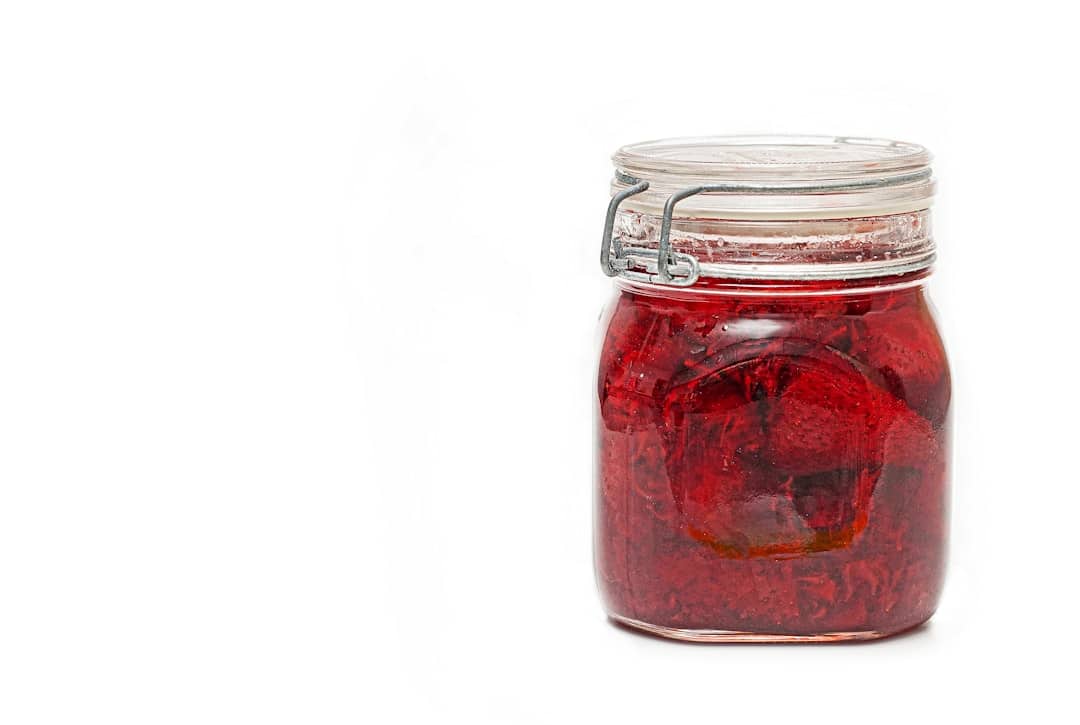
Why fermented beets are the secret to a happy heart
Why Fermented Beets Are a Powerhouse for Your Heart and Gut
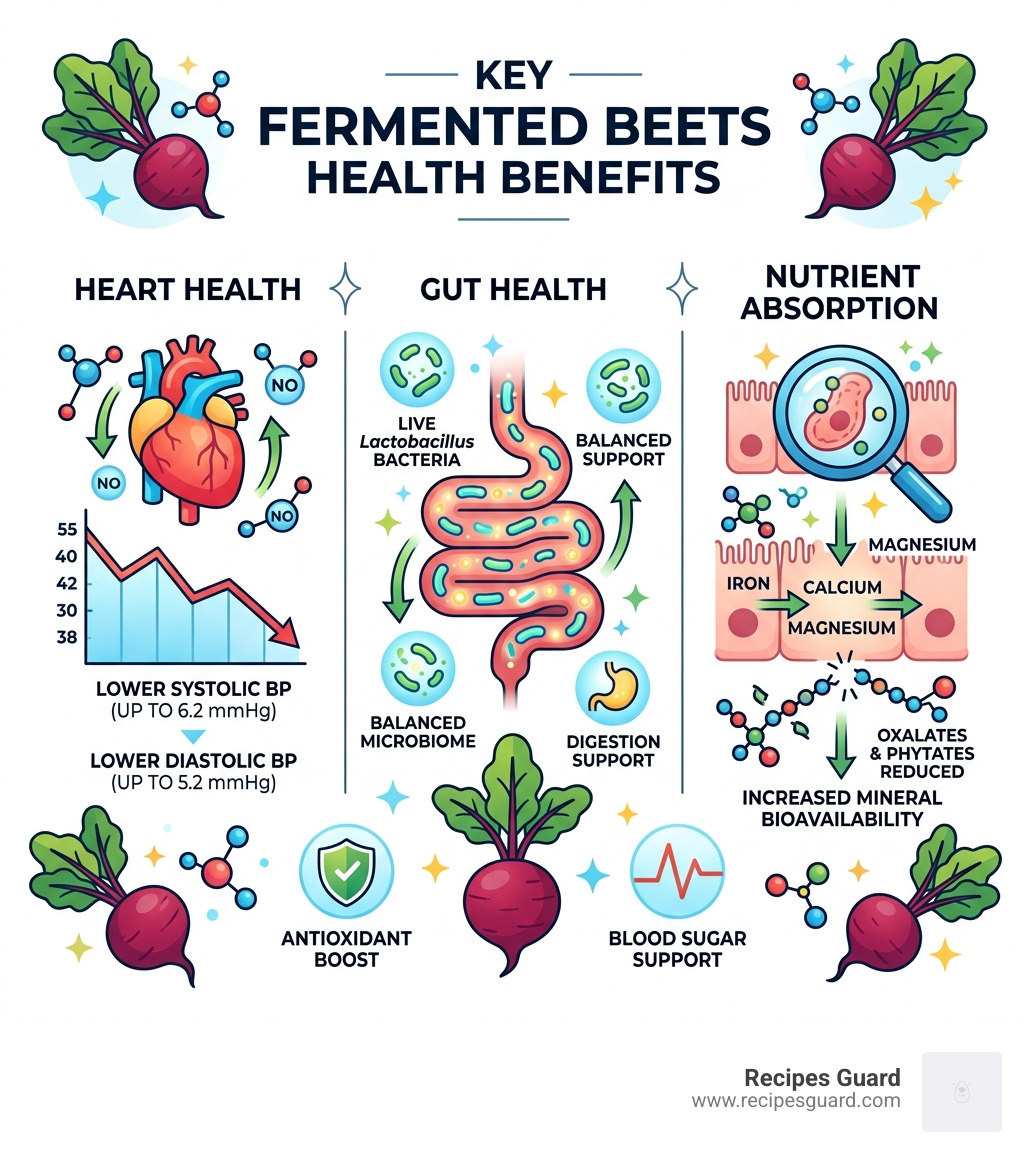
Fermented beets health benefits are wide-ranging and backed by solid science — here’s a quick summary:
- Heart health: Fermented beet juice can lower systolic blood pressure by up to 6.2 mmHg and diastolic by 5.2 mmHg
- Gut health: Live Lactobacillus bacteria support digestion, immune function, and a balanced microbiome
- Better nutrient absorption: Fermentation breaks down antinutrients like oxalates and phytates, making minerals easier to absorb
- Blood sugar support: Fermented beets show strong inhibition of enzymes linked to glucose metabolism
- Antioxidant boost: Fermented beetroot juice delivers impressive antioxidant potential, supporting your body’s defenses against inflammation and oxidative stress
Beets have been a staple of traditional medicine for centuries. But there’s a version of this humble root vegetable that most home cooks haven’t fully explored yet: the fermented kind.
When you ferment beets through lacto-fermentation — letting natural bacteria transform the sugars into lactic acid — something remarkable happens. The nutrients become more bioavailable. The sugar content drops. Beneficial probiotics flourish. And the already-impressive health profile of raw beets gets a significant upgrade.
In April 2026, fermented foods continue to dominate wellness conversations, and fermented beets are quietly earning a reputation as one of the most functional foods you can make in your own kitchen.
Below, we break down exactly what the research says about fermented beets, how they compare to raw or vinegar-pickled versions, and what you can expect when you add them to your daily routine.
Fermented vs. Pickled: Understanding the Probiotic Difference
When we walk down the grocery store aisle, it is easy to get confused by the labels. Are “pickled” beets the same as “fermented” beets? The short answer is no, and the difference matters immensely for your health.
Traditional pickling usually involves submerging beets in a heated mixture of vinegar, sugar, and salt. While delicious, the high heat used in canning kills off any beneficial bacteria, and the vinegar provides acidity without the biological activity of fermentation. On the other hand, lacto-fermented beets are made using only salt and water (a brine). This process encourages the growth of Lactobacillus bacteria, which naturally consume the sugars in the beets and produce lactic acid.
One of the most significant fermented beets health benefits is the reduction of sugar. While a half-cup of standard pickled beets contains about 9 grams of sugar and 55 calories, the fermentation process “pre-digests” those sugars, making them a much better choice for those watching their glycemic index. Furthermore, fermented beets score better on the FODMAP index than fresh beets, as the bacteria break down some of the compounds that can cause gas and bloating in sensitive individuals.
| Feature | Raw Beets | Vinegar-Pickled Beets | Lacto-Fermented Beets |
|---|---|---|---|
| Probiotics | None | None (usually pasteurized) | High (Live & Active) |
| Sugar Content | High | High (added sugar) | Low (consumed by bacteria) |
| Enzymes | Moderate | Low (destroyed by heat) | Very High |
| Digestibility | Harder | Moderate | Easiest |
To ensure you are getting these benefits safely, we always recommend following a Safety First: A Guide to Preserving Fermented Foods. You can also learn more about the base nutrients of this root vegetable in this guide on 5 Health Benefits of Beets.
The Role of Lactobacillus Plantarum
Within probiotics, Lactobacillus plantarum is a true “superstar” strain often found in fermented beets. Research has shown that this specific bacterium is incredibly robust, surviving the journey through the stomach to colonize the gut.
In laboratory settings, L. plantarum has even shown activity against certain cancer cells, including oral cancer and leukemia. Beyond its potential disease-fighting properties, it helps produce essential enzymes that assist in breaking down food, making it a cornerstone of a healthy Category: Preserving Basics routine.
Top 5 fermented beets health benefits for Heart and Gut
If you are looking for a “happy heart,” fermented beets might be your best friend. The synergy between the natural nitrates in beets and the fermentation process creates a cardiovascular powerhouse.

- Blood Pressure Regulation: Statistics show that regular beetroot juice consumption can produce an average reduction of 3.55 mmHg in systolic and 1.32 mmHg in diastolic blood pressure. However, fermented beetroot juice takes this further, with studies showing decreases of 6.2 mmHg (systolic) and 5.2 mmHg (diastolic) in healthy subjects.
- Nitric Oxide Production: Beets are famous for their inorganic nitrates. When we eat them, our body converts these into nitric oxide, a molecule that helps blood vessels relax and dilate (vasodilation). This improves blood flow and reduces the workload on the heart.
- Cholesterol Management: While more research is ongoing, studies have observed a decreasing tendency in total cholesterol and LDL (“bad”) cholesterol levels after consistent intake of fermented beet juice.
- Gut Microbiome Diversity: A 2015 study indicated that fermented beet juice improves gut microbiota and metabolic activity. Just two weeks of intake has been shown to enrich beneficial bacteria like Akkermansia muciniphila.
- Inflammation Reduction: Beets contain betalains, which are powerful pigments with anti-inflammatory properties. Fermentation may actually increase the antioxidant activity of these compounds.
According to Scientific research on pickled beet benefits, these health-promoting properties make beets a key component of a modern healthy lifestyle.
Athletic Performance and fermented beets health benefits
Athletes have long used beet juice as a “legal” performance enhancer, and fermented versions offer even better bioavailability. Research has shown that beet juice significantly improves “time to exhaustion” with a standardized mean difference of 0.25.
For female athletes, VO2 max — a measure of how much oxygen the body can use during exercise — has been shown to increase by 4.82% following beetroot consumption. By improving mitochondrial efficiency, fermented beets help you work out longer and recover faster.
Digestive Wellness and Metabolic Support
Fermented beets aren’t just for the heart; they are a metabolic marvel. One fascinating study showed that beets fermented with Latilactobacillus curvatus exhibited 87.45% DPP-IV inhibition and 80.5% α-Glucosidase inhibition. These are fancy scientific terms for saying they help block enzymes involved in glucose metabolism, which can help keep blood sugar levels stable.
Additionally, the fermentation process creates short-chain fatty acids (SCFAs), which provide energy to the cells lining your colon and help reduce systemic inflammation. For more inspiration on how to use these in your kitchen, check out our Category: Fermented Recipes.
The Science of Bioavailability: How Fermentation Unlocks Nutrients
One of the biggest hurdles with raw vegetables is “antinutrients.” Compounds like oxalates and phytates, which are naturally present in beets, can bind to minerals like calcium, iron, and zinc, preventing your body from absorbing them.
The magic of fermentation is that it acts like a “pre-digestion” phase. The bacteria break down these antinutrients, significantly increasing the bioavailability and uptake of essential minerals. Here is what you’re getting in every serving:
- Betalains: The pigments that give beets their red color, acting as potent antioxidants.
- Dietary Nitrates: The precursors to nitric oxide for heart health.
- Potassium: Essential for blood pressure regulation and nerve function.
- Folate: Crucial for DNA repair and tissue growth.
- Manganese: Supports bone health and metabolic function.
Just as we explain in our Don’t Be Afraid of the Funk with This Easy Fermented Garlic Recipe, the “funk” of fermentation is actually the sound of nutrients being unlocked!
Antioxidant Potential and Inflammation
The antioxidant potential of fermented beetroot juice is staggering, ranging from 5253.40 to 5761.80 µM Fe(II)/L. It is packed with polyphenols (107.77 to 790.45 mg GAE/L) and flavonoids. These compounds neutralize free radicals and reduce C-reactive protein, a key marker of inflammation in the body. Furthermore, the betaine found in beets supports liver detoxification, helping your body process toxins more efficiently.
DIY Guide: How to Ferment Beets at Home
Making your own fermented beets is surprisingly simple and much more rewarding than buying store-bought versions. At Recipes Guard, we advocate for the “Lacto-Fermentation” method.
Ingredients & Tools:
- Fresh, organic beets (peeling is optional if organic, as the skin contains beneficial bacteria).
- Non-iodized salt (sea salt or Himalayan salt is best).
- Filtered water (chlorine in tap water can kill the good bacteria).
- A clean glass jar and a fermentation weight.
The 2% Salt Calculation: For the best results, use a 2% salt-to-vegetable weight ratio. For example, if you have 500 grams of beets, you would use 10 grams of salt. This creates the perfect environment for Lactobacillus to thrive while keeping “bad” bacteria at bay.
Steps:
- Prep: Slice, dice, or grate your beets. Grated beets ferment fastest (about 5 days), while 1-inch cubes take longer (7-10 days).
- Salt: Toss the beets with salt and let them sit for 10 minutes until they start releasing their own juices.
- Pack: Pack them tightly into a jar. Use a weight to ensure they stay submerged under the liquid.
- Ferment: Store in a dark place at room temperature (65-75°F).
- Burp: If you aren’t using an airlock lid, open the jar daily to release gas buildup.
This process is very similar to Mastering the Art of Lacto-Fermented Hot Sauce — once you master the brine, you can ferment almost anything!
Maximizing fermented beets health benefits Through Proper Storage
Once your beets have reached a tangy, sour flavor that you enjoy, move them to the refrigerator. The cold temperature (ideally 35-40°F) slows down the fermentation process, preserving the flavor for 2 to 3 months.
Pro-Tips for Quality:
- Identify Spoilage: A white film on top is usually “Kahm yeast,” which is harmless and can be skimmed off. However, if you see fuzzy mold (black, green, or blue) or notice a rotten smell, discard the batch.
- Beeturia: Don’t panic if your urine or stool turns pink or red after eating beets! This is a harmless condition called beeturia.
- PFAS Awareness: Recent studies have looked into environmental contaminants like PFAS in food. While fermented beets are a health food, it is always wise to use filtered water and source organic produce to minimize exposure to industrial chemicals.
Frequently Asked Questions about Fermented Beets
How do fermented beets differ from pickled beets?
The primary difference lies in the method of acidification. Pickled beets use vinegar (acetic acid) and are usually pasteurized with heat, which kills enzymes and probiotics. Fermented beets create their own acid (lactic acid) through live microbial activity. This means fermented beets contain “live and active cultures” and raw enzymes that vinegar-pickled beets simply don’t have.
What is the recommended daily intake for optimal heart health?
Research suggests that 250ml (about one cup) of beetroot juice or a half-cup serving of fermented beet slices per day is optimal for maximum blood pressure benefits. However, if you are new to fermented foods, we recommend starting small — perhaps 1 ounce or one tablespoon — and gradually increasing your intake to allow your gut microbiome to adjust to the new probiotics.
Can fermented beets help with blood sugar management?
Yes! Unlike raw beets, which can be high in sugar, the bacteria in fermented beets “eat” much of that sugar during the fermentation process. Studies have shown that fermented beet juice can improve insulin resistance and suppress post-meal glucose spikes. The presence of lactic acid and potentially some residual acetic acid further supports healthy blood sugar levels.
Conclusion
At Recipes Guard, we believe that the best medicine is often found in the traditions of our ancestors, updated with the precision of modern science. Fermented beets health benefits represent a perfect marriage of flavor and function. Whether you are looking to support your heart, boost your athletic endurance, or simply find a way to make your gut a little happier, these ruby-red powerhouses are the answer.
By taking control of your food preservation at home, you aren’t just saving money — you are creating a living, probiotic-rich supplement that supports a long and healthy lifestyle. So, grab some jars, find some fresh beets, and start your fermentation journey today!
For more guides and recipes, visit us at https://www.recipesguard.com/.