From Rakfisk to Mackerel: A Guide to Fermented Fish Recipes
Why Fermented Fish Recipes Belong in Every Home Cook’s Repertoire
Fermented fish recipes are one of the oldest and most reliable ways to preserve fish while unlocking deep, complex flavors that fresh fish simply cannot deliver.
Here are the most popular fermented fish recipes to get you started:
- Norwegian Rakfisk – Whole trout salted at 6% and cold-fermented for 6 weeks to several months
- Lacto-Fermented Mackerel – Fish pieces brined in a 5% salt solution for 2-3 days
- Thai Pla Som – Fish fermented with sticky rice and garlic for 3 days, then pan-fried
- Homemade Fish Sauce (Garum) – Whole small fish blended with salt and fermented for 1-3 months
- GAPS-Style Fermented Salmon – Salmon with whey, spices, and filtered water, fermented 3-5 days
Fermentation is not just preservation. It is transformation. Beneficial bacteria break down proteins and fats into amino acids and fatty acids, creating that intense savory taste — what chefs call umami — while also producing probiotics that support gut health.
This process has been used for thousands of years across Norway, Thailand, Japan, Rome, and Southeast Asia. And in April 2026, it is having a serious comeback among home cooks who want more control over what they eat.
The techniques are simpler than most people expect. You need fish, salt, time, and the right temperature. That’s it.
Whether you want to make a quick 3-day fermented mackerel or a slow 6-month rakfisk, this guide walks you through every method, safety rule, and recipe you need.
Understanding the Science and Benefits of Fermented Fish Recipes
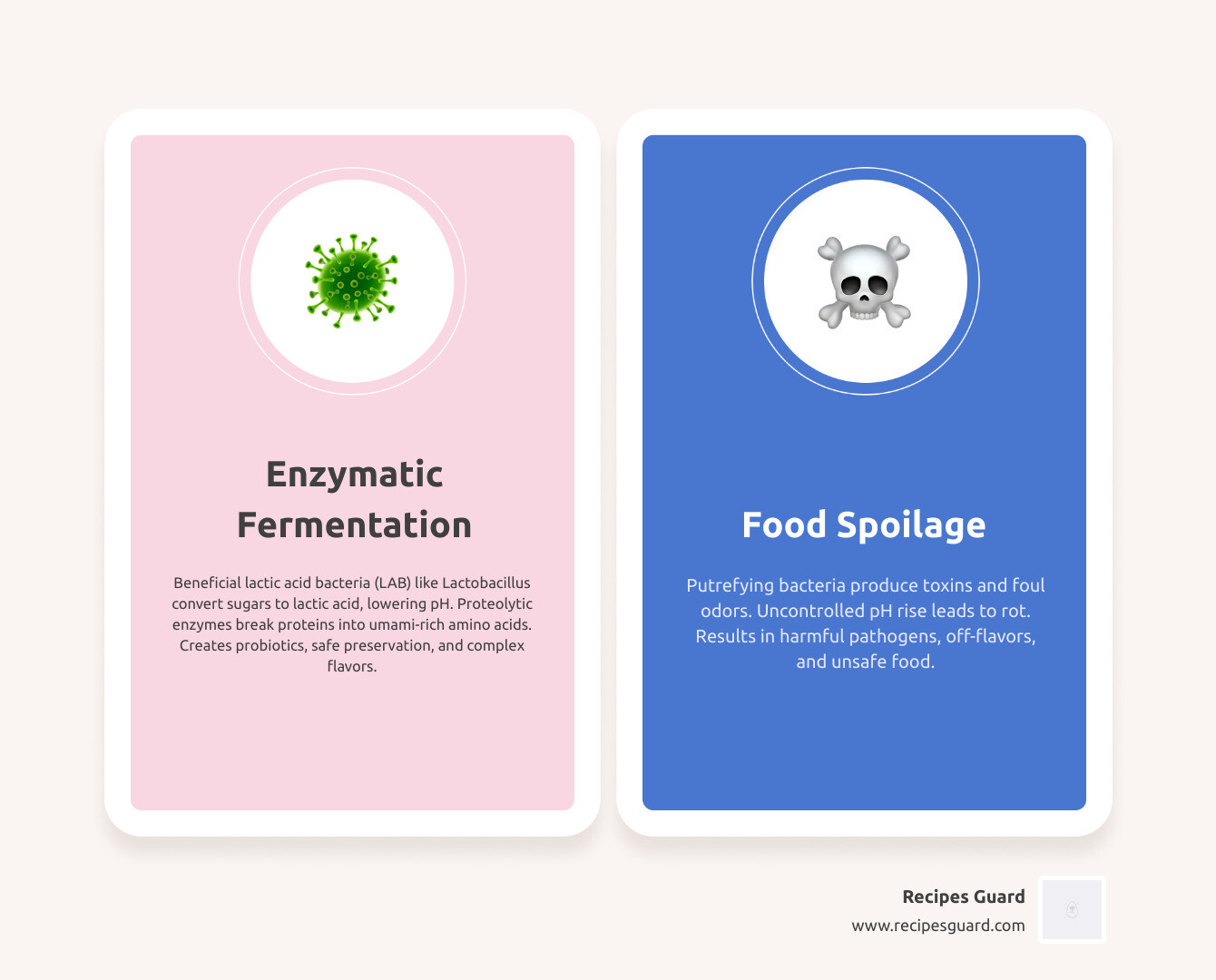
At its core, fish fermentation is a controlled biological process. Unlike spoilage, where putrefying bacteria rot the flesh, fermentation relies on “friendly” microbes—primarily lactic acid bacteria (LAB) like Lactobacillus sakei. These bacteria consume the small amounts of sugars in the fish, producing lactic acid which lowers the pH and creates an environment where “bad” bacteria cannot survive.
Beyond preservation, the science involves proteolytic enzymes. These enzymes (specifically cathepsins and calpains) act like tiny scissors, snipping long protein chains into bioavailable peptides and free amino acids. This is why a piece of fermented trout becomes buttery and spreadable, and why it packs such a massive umami punch.
The Health Angle: Probiotics and Omega-3s
We often hear about the benefits of sauerkraut or kimchi, but fermented fish is a nutritional powerhouse in its own right. It is a reliable source of antioxidants and probiotics essential for gut health. Furthermore, fermentation helps preserve the delicate EPA and DHA omega-3 fatty acids. Research has shown that these essential fats remain highly concentrated even after months of fermentation.
However, the quality of your starting material is paramount. Scientific research on toxins in farmed vs wild salmon has revealed that farmed salmon can contain up to 10 times more toxins, such as PCBs and dioxins, than their wild counterparts. For those of us following specific protocols like the Fermented Recipes on the GAPS diet, sourcing wild-caught fish is a non-negotiable step for brain and gut health.
Essential Ingredients and Sourcing for Safe Fermentation
When we dive into fermented fish recipes, our pantry list is surprisingly short, but every item must be of the highest quality.
- Wild-Caught Fish: Freshness is everything. Look for fish with bright, clear eyes, red gills, and shiny, firm skin.
- Non-Iodized Sea Salt: Avoid table salt with anti-caking agents or iodine, which can inhibit the “good” bacteria. Use high-quality mineral salt or coarse sea salt.
- Filtered Water: Chlorine in tap water is designed to kill bacteria—exactly what we don’t want when trying to grow a healthy culture.
- Starters (Optional): While many traditional recipes rely on salt alone, you can “kick-start” the process using homemade whey (strained from raw yogurt or kefir) or even a splash of sauerkraut juice.
For a deeper dive into the foundations of these techniques, check out our Safety First: A Guide to Preserving Fermented Foods.
Choosing the Best Fish for Your Fermented Fish Recipes
Not all fish are created equal in the fermentation crock. We generally look for “forage fish”—small, oily marine species that are lower on the food chain. These fish grow quickly and have short lifespans, meaning they accumulate fewer toxins than large predatory fish.
- Mackerel and Herring: High fat content makes these ideal for silky textures.
- Sardines and Anchovies: The classic choice for fish sauces and garum.
- Salmon and Trout: Perfect for “dryer” or cold-fermented styles like Rakfisk.
- Tilapia or Java Barb: Excellent for rice-based ferments like Thai Pla Som.
Essential Seasonings and Flavor Enhancers
While salt does the heavy lifting, seasonings allow us to customize the “funk.” Traditional favorites include:
- Aromatics: Sliced red onions, crushed garlic, and lemon zest.
- Herbs: Fresh dill and bay leaves are staples in Scandinavian recipes.
- Spices: Whole black peppercorns, mustard seeds, and coriander seeds add complexity without overpowering the fish.
Primary Methods: Brining vs. Dry Salting
There are two main roads to take when preparing fermented fish recipes: the wet path (brining) and the dry path (dry salting).
| Feature | Brining (Wet) | Dry Salting |
|---|---|---|
| Salt Ratio | 2.5% to 5% (25-50g per liter) | 2-3 tbsp per kg of fish |
| Texture | Softer, more “pickled” feel | Firm, concentrated, and dense |
| Best For | Short-term snacks, Mackerel | Long-term storage, Garum, Rakfisk |
| Shelf Life | 2–3 weeks (refrigerated) | Months to years (if salt is high) |
If you’re already familiar with vegetable ferments, you might enjoy our guide: Don’t Be Afraid of the Funk with This Easy Fermented Garlic Recipe.
Step-by-Step Brining for Traditional Fermented Fish Recipes
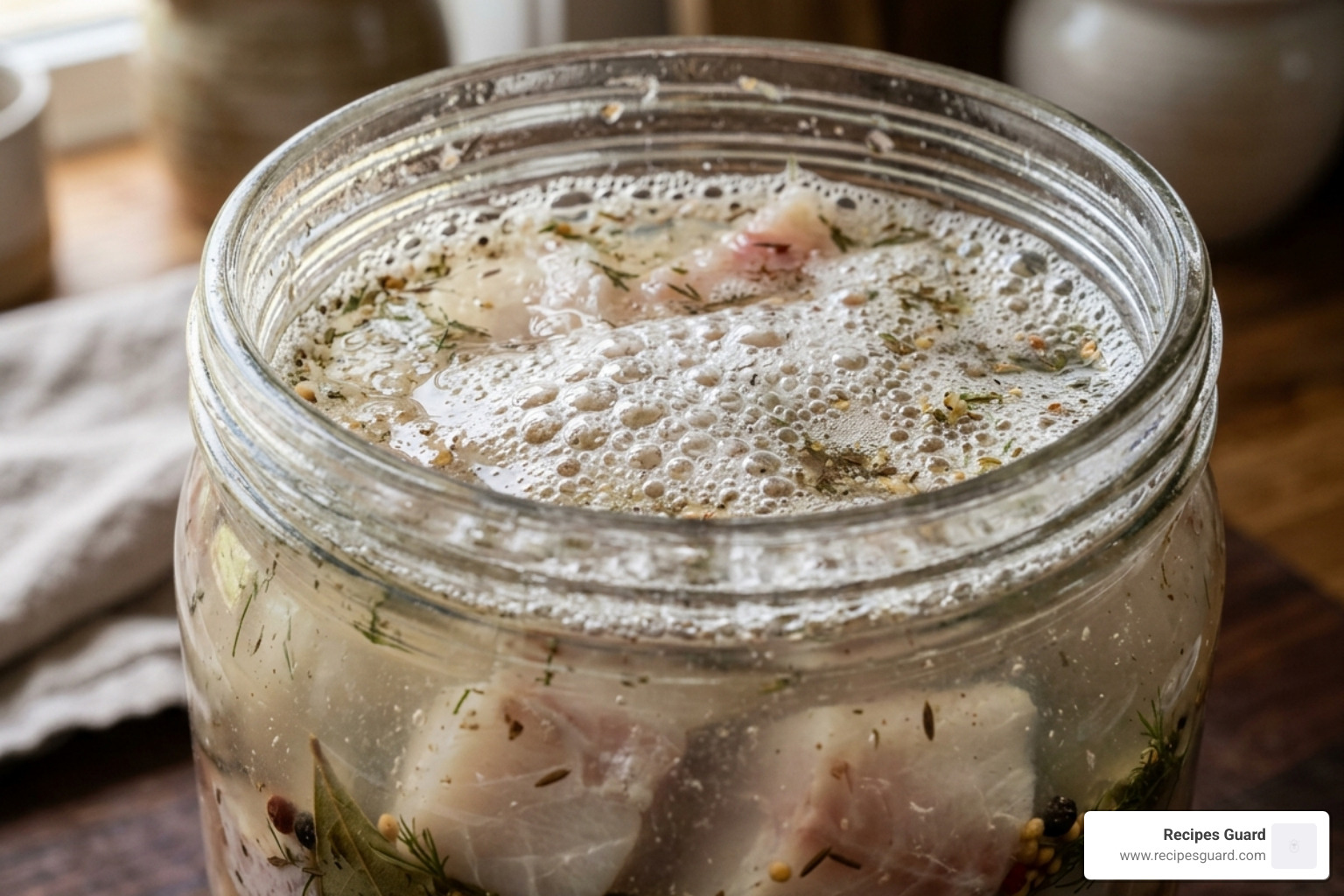
Brining is the most approachable method for beginners. We typically use a 5% brine (50 grams of salt per 1,000ml of water).
- Prep: Clean the fish, remove the head and guts, and cut into bite-sized pieces.
- Pack: Layer the fish in a glass jar with onions, dill, and peppercorns.
- Submerge: Pour the brine over the fish. Use a fermentation weight to ensure no fish bits float to the surface.
- Ferment: Leave at room temperature for 2-3 days. “Burp” the jar daily to release CO2.
- Finish: Once the brine is slightly cloudy and smells pleasantly sour, move it to the fridge.
For more on managing liquid ferments, see Mastering the Art of Lacto-Fermented Hot Sauce.
The Dry Salting Technique for Concentrated Flavor
Dry salting involves rubbing the fish directly with salt. The salt draws moisture out of the fish, creating its own concentrated brine. This method results in a much firmer texture. For every kilogram of fish, use 2-3 tablespoons of salt. After fermentation, many people choose to rinse the fish quickly to remove excess surface salt before serving.
Global Traditions: From Norwegian Rakfisk to Thai Pla Som
Fermented fish is a global language. Every coastal culture has a “signature” funky dish that defines their heritage.
Norwegian Rakfisk: The Art of Cold Fermentation
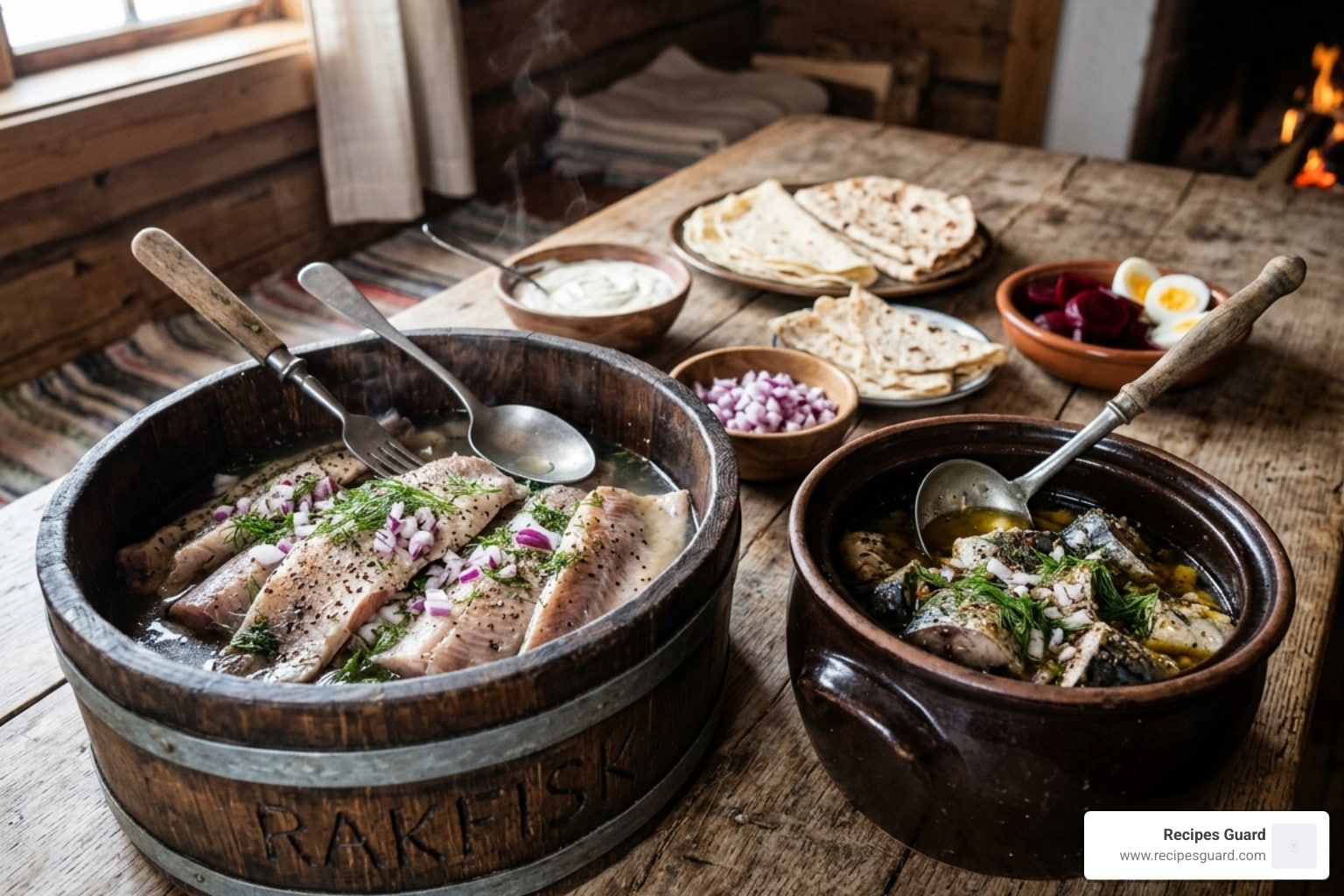
Rakfisk is Norway’s most iconic fermented dish, particularly from the Valdres valley. Unlike room-temperature ferments, Rakfisk is a “cold” ferment. It traditionally uses fresh trout or Arctic char.
- The Ratio: 6% salt by weight.
- The Environment: A maximum temperature of 8°C (46°F), though modern safety standards often recommend 2–4°C.
- The Wait: It ferments for a minimum of 6 weeks, though many families wait 3 to 5 months for a more intense “vintage” flavor.
Scientific research on EPA and DHA concentrations in Rakfisk confirms that this long, cold process preserves the nutritional integrity of the fish. It is traditionally served on flatbread (flatbrød) with sour cream, raw onions, and a glass of aquavit.
Thai Pla Som: Rice-Based Fermentation
In the Isan region of Thailand, fermentation takes a different turn by adding cooked sticky rice to the mix. The starches in the rice provide extra fuel for the lactic acid bacteria, resulting in a distinctively tangy, “sour” fish.
- Cure: Fish (like Tilapia) is rubbed with salt and rested for a few hours.
- Mix: The fish is then packed with a mixture of cooked sticky rice and lots of crushed garlic.
- Ferment: It sits in an airtight container at room temperature for about 3 days.
- Cook: Unlike Rakfisk, Pla Som is usually dusted in flour and deep-fried until crispy before serving.
Critical Safety Guidelines and Storage
We cannot talk about fermented fish recipes without addressing safety. Because fish is a low-acid food, the primary concern is Clostridium botulinum (botulism). However, by following three simple rules, we can make fermented fish safely at home.
- Salt Concentration: Never go below 2.5% salt for short-term brines, and aim for 5-6% for longer ferments. Ancient Roman Garum used up to 20% salt to ensure it was shelf-stable in the sun!
- Temperature Control: For long-term ferments like Rakfisk, keep the temperature between 2°C and 4°C. For short room-temperature ferments, don’t exceed 3-5 days before refrigerating.
- Oxygen Exclusion: Keep your fish fully submerged. Use weights or a “salt cap” (a thick layer of salt on top). Bacteria that cause rot need oxygen; lactic acid bacteria do not.
The Smell Test: Trust your nose. A healthy ferment should smell briny, sour, and perhaps a bit “cheesy” or pungent (like a strong blue cheese). If it smells putrid, rotten, or like sulfur, discard it immediately. When stored correctly in the fridge, fermented fish can last from 2 weeks (low salt) to several months (high salt).
Frequently Asked Questions about Fermenting Fish
What is the key difference between pickled fish and fermented fish?
The main difference is the source of the acid. Pickled fish is preserved using an external acid, usually vinegar, and is often heat-processed (canned), which kills beneficial bacteria. Fermented fish creates its own acid through live cultures. It is a “living” food full of probiotics and enzymes that change the texture of the fish over time.
How does fermented fish fit into the GAPS diet?
Fermented fish is a staple in Stage 2 of the GAPS (Gut and Psychology Syndrome) Introduction Diet. Because the fermentation process “pre-digests” the proteins, it is incredibly easy on a sensitive digestive system. It provides the essential amino acids and healthy fats necessary for brain health and gut lining repair.
Can I use farmed salmon for home fermentation?
We strongly recommend avoiding farmed fish for fermentation. Farmed salmon pens (like those in Tasmania) often hold 50,000 fish in tight quarters, leading to the use of antibiotics and higher toxin levels. A 2004 study in the journal Science found that farmed salmon contains 10 times more toxins (PCBs, dioxins) than wild salmon. For the cleanest, healthiest ferment, always choose wild-caught.
Conclusion
At Recipes Guard, we believe that mastering fermented fish recipes is like rediscovering a lost culinary superpower. It is a form of “culinary alchemy” that turns simple ingredients into nutrient-dense, umami-packed delicacies. Whether you are seeking the probiotic benefits for a GAPS diet or simply want to recreate the ancient flavors of a Roman Garum or a Norwegian Rakfisk, the key is patience and high-quality sourcing.
Start small with a 3-day mackerel brine, respect the salt ratios, and soon you’ll be enjoying the “funk” with confidence. For more inspiration on your fermentation journey, explore our full library of Fermented Recipes. Happy fermenting!