
The Step-by-Step Guide to Getting Your Injury Claim Paid
What You Need to Know About Filing an insurance claim for injury
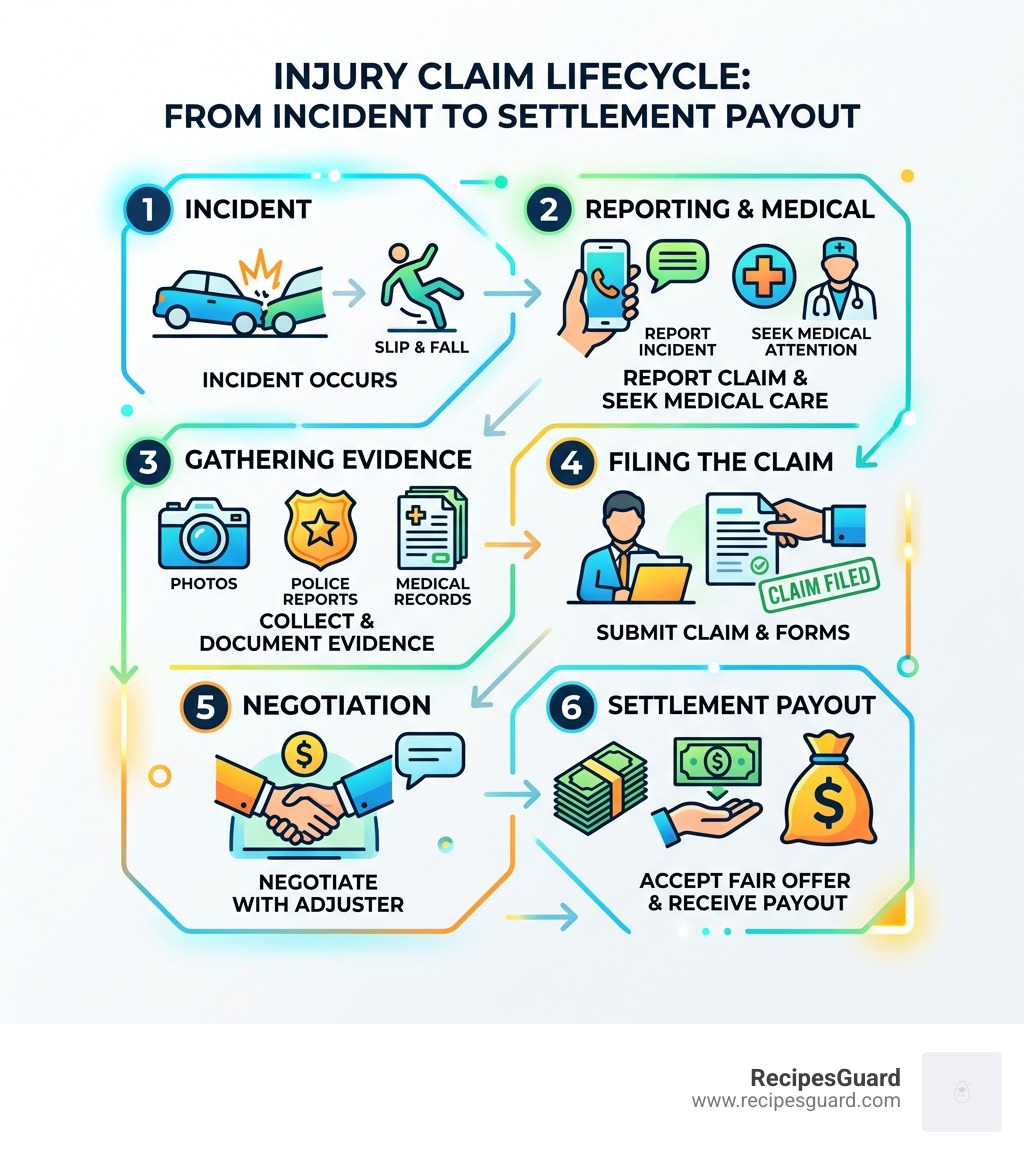
Filing an insurance claim for injury is how you formally ask an insurance company to pay for losses caused by an accident or someone else’s negligence. Here is a quick overview of the process:
- Report the incident to the relevant insurance company as soon as possible
- Seek medical attention immediately and keep all records
- Gather evidence — photos, police reports, witness details
- File your claim by submitting the required forms and documentation
- Negotiate the settlement with the insurance adjuster
- Accept a fair offer or escalate to a lawsuit if the offer is too low
Most injury claims settle without ever going to court. But the process can feel overwhelming — especially if you’re dealing with it far from home, in an unfamiliar legal system, with medical bills piling up fast.
Whether you were hurt in a car accident, slipped in a store, or suffered an injury while studying abroad, the core steps are the same. What changes is who you file with, how long you have to file, and how much you can recover.
This guide walks you through every step — from documenting your injuries on day one to negotiating a fair payout — so you know exactly what to do and what to avoid.
Understanding the Basics of an Insurance Claim for Injury
Before we dive into the “how-to,” let’s clear up a common point of confusion: the difference between an insurance claim for injury and a personal injury lawsuit.
An insurance claim is an administrative process. You are essentially saying to the insurance company, “Hey, your policyholder caused me harm, and I’d like you to pay for it based on the policy terms.” A lawsuit, on the other hand, is a legal action filed in court. Lawsuits usually only happen if the insurance company refuses to offer a fair settlement or denies the claim entirely.
In Australia, the system is designed to be robust but fair. Whether you are an international student or a local resident, understanding liability (who is responsible) and negligence (did they fail in their duty of care?) is the foundation of your claim.

| Feature | Personal Injury Claim | Personal Injury Lawsuit |
|---|---|---|
| Venue | Handled directly with the insurance company | Handled in a court of law |
| Control | High; you can settle at any time | Lower; a judge or jury may decide |
| Cost | Generally lower (administrative fees) | Higher (court fees, expert witnesses) |
| Timeline | Weeks to months | One year or more |
First-Party vs. Third-Party Claims
When you file an insurance claim for injury, you’ll likely be dealing with one of two types:
- First-Party Claims: This is a claim you file with your own insurance company. For example, if you have a travel insurance policy or a specific health policy, you are the “first party.”
- Third-Party Claims: This is a claim you file against someone else’s insurance. If you are hit by a car while crossing the street, you file a claim against the driver’s liability insurance.
Understanding Filing Claims Under Your Own Policy is vital, especially for students. Often, your student health or travel insurance acts as a primary safety net, providing immediate benefits while you pursue a third-party claim for larger damages like pain and suffering.
How No-Fault Insurance (PIP) Works
In some jurisdictions, “no-fault” systems are used to speed up the process. Under these systems, your own insurance pays for your medical expenses and lost wages regardless of who caused the accident. This is often called Personal Injury Protection (PIP).
In Australia, various states have “Compulsory Third Party” (CTP) insurance, which acts similarly by providing benefits for people injured in motor vehicle accidents. The goal of these systems is to get you into treatment quickly. For instance, some care-based models provide pre-approved treatment windows—often the first 12 weeks—to ensure you start recovering immediately without waiting for a long investigation. You can find more about this Overview of the injury claims and recovery process to understand how care-based models prioritize health over paperwork.
Proving Liability and Gathering Essential Evidence
To get an insurance claim for injury paid, you have to prove the other party was at fault. This involves showing they had a “duty of care” (like a driver’s duty to stop at red lights), they breached that duty, and that breach directly caused your injury.

Documenting Injuries and Medical Treatment
We cannot stress this enough: Seek medical attention immediately. Even if you feel “fine” or just a bit shaken up, some injuries (like whiplash or internal bruising) don’t show symptoms for days.
- Medical Records: These are the backbone of your claim. They link your injury to the accident.
- Doctor’s Notes: Ensure the doctor records exactly how the injury happened.
- Symptom Journal: Write down how you feel every day. Does your back hurt when you sit in class? Are you having trouble sleeping? These details prove “pain and suffering.”
Essential Evidence for a Strong Claim
The more evidence you have, the harder it is for an insurance company to lowball you. Think of yourself as a detective. You should aim to gather:
- Police Reports: Always call the police to the scene of a vehicle accident. The official report is a powerful piece of evidence.
- Witness Statements: Get names and phone numbers of anyone who saw what happened.
- Photos and Video: Take photos of the accident scene, your visible injuries, and any property damage.
- Dashcam Footage: If you or a witness have a dashcam, save that footage immediately.
For a detailed look at what to do at the scene, check out this guide on How to File an Auto Insurance Claim.
The Step-by-Step Insurance Claim Process
Now, let’s look at the mechanics of the claim itself. Most modern insurers allow you to File a Personal Insurance Claim Online, which is often the fastest way to get the ball rolling.
Filing Your insurance claim for injury
Once you notify the insurer, they will assign a “claims adjuster” to your case. This person’s job is to investigate the accident and determine how much the company should pay.
In many regions, there are strict timelines insurers must follow. For example, they may have 15 working days to provide you with the necessary claim forms and 30 days to accept or deny the claim once those forms are submitted. As a student, keep a folder (digital or physical) with every piece of correspondence, including the date and time of every phone call.
Negotiating with Insurance Adjusters
Here is a little secret: The first offer from an insurance company is almost always a “lowball” offer. They are testing to see if you are desperate or uninformed.
- The Demand Letter: Usually, your lawyer (or you, if self-representing) will send a formal letter outlining your injuries, your total costs, and a “demand” for a specific settlement amount.
- Release for Damages: Never sign a “release” or cash a check marked “final payment” until you are certain your medical treatment is finished. Once you sign, you usually cannot ask for more money later, even if you discover a new complication.
- Recorded Statements: Be very careful here. Adjusters may ask for a recorded statement to “get your side of the story.” They can use minor inconsistencies in your story to deny your claim later. It is often best to decline a recorded statement until you’ve sought advice.
Calculating Damages and Claim Valuation
How much is your insurance claim for injury actually worth? It’s not just about the hospital bill.
Calculating the Value of an insurance claim for injury
Damages are usually split into two categories:
- Economic Damages: These are easy to calculate. They include medical bills, pharmacy receipts, and lost wages if you couldn’t work your part-time job.
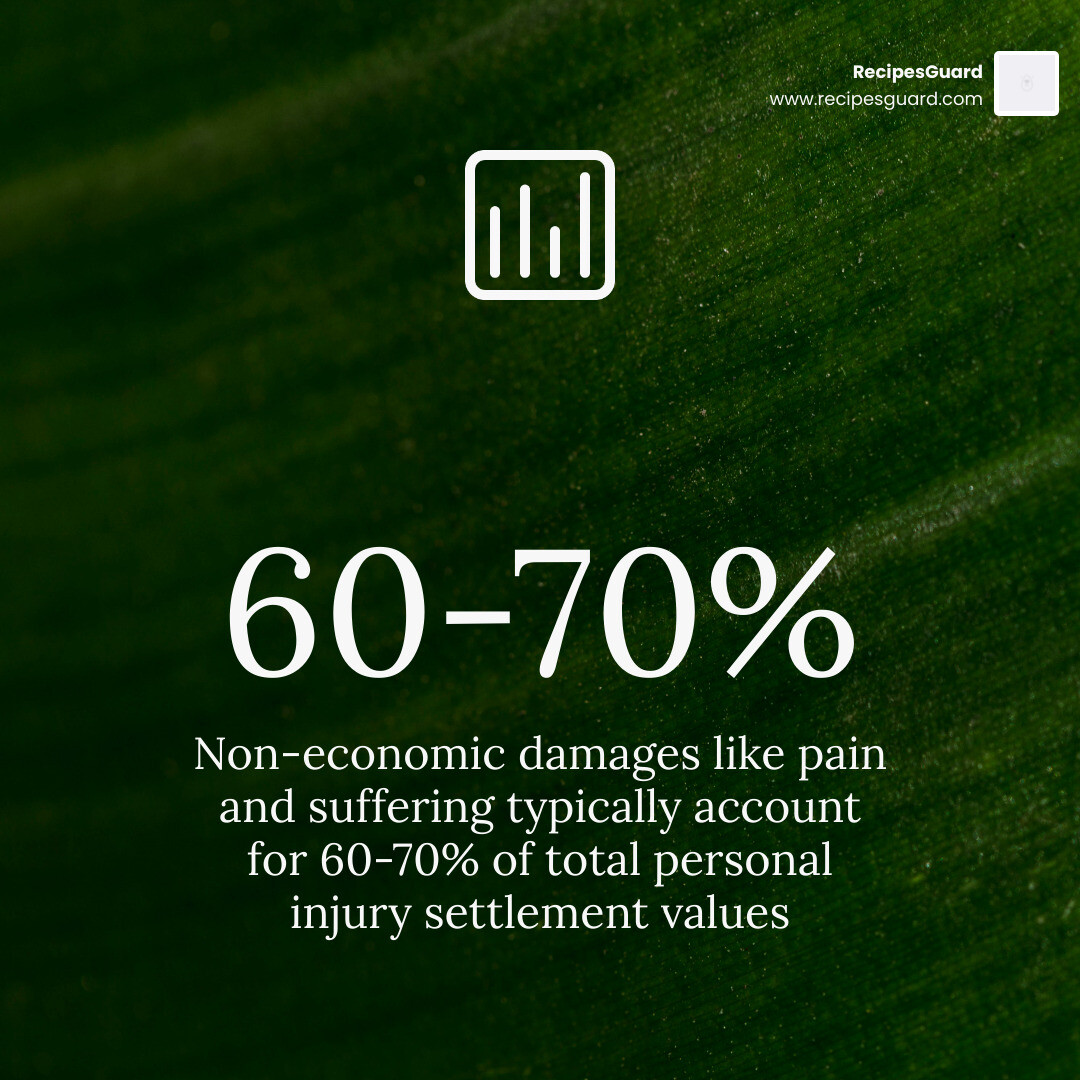
- Non-Economic Damages: This is the “pain and suffering” part. Since you can’t put a price tag on a broken leg or emotional trauma, insurers often use a “multiplier.” They take your total medical bills and multiply them by a number (usually between 1.5 and 5) depending on how severe the injury is.
Dealing with Uninsured or Underinsured Parties
What happens if the person who hit you doesn’t have insurance? This is a nightmare scenario, but you aren’t necessarily out of luck.
- UM/UIM Coverage: Uninsured/Underinsured Motorist coverage is a part of many policies that pays you if the at-fault party can’t.
- Personal Assets: You could technically sue the person individually, though if they don’t have insurance, they may not have assets to pay a judgment.
- Student Policies: Many student-specific travel insurance policies include a “personal liability” or “uninsured” component to protect you in these exact situations.
Legal Deadlines and When to Hire an Attorney
Time is not on your side. Every state and country has a “Statute of Limitations”—a ticking clock that tells you exactly how long you have to file a claim or lawsuit.
Statutes of Limitations
While these vary by location, the general rule is to act fast. In many places, you have between one and three years. However, some specific claims (like those against a government entity) might require you to give notice in as little as 90 days.
In Australia, the rules vary by state (NSW vs. QLD vs. VIC), so we recommend checking your local government’s insurance regulator website immediately after an accident. Missing a deadline by even one day can mean losing your right to compensation forever.
The Role of a Personal Injury Attorney
You might be wondering, “Do I really need a lawyer?”
If your injury is minor (a small bruise and one doctor’s visit), you can likely handle it yourself. However, if you have broken bones, required surgery, or will miss significant time from your studies, a lawyer is essential. They handle the “heavy lifting”—gathering evidence, hiring expert witnesses, and standing up to the insurance company’s legal team.
Most personal injury lawyers work on a contingency fee basis. This means they don’t get paid unless you get paid. They take a percentage of the final settlement. For more info on your rights during this process, see the Filing an Auto Claim | Utah Insurance Department resources (while location-specific, the principles of claimant rights are universal).
Frequently Asked Questions about Injury Claims
What happens if my claim is denied or undervalued?
Don’t panic. A denial isn’t the end of the road. You can request an internal review from the insurance company. If that fails, you can lodge a complaint with the relevant Insurance Ombudsman or Department of Insurance. In Australia, the Australian Financial Complaints Authority (AFCA) can help resolve disputes with insurers.
Should I settle out of court or go to trial?
Most people choose to settle. Settlements offer certainty (you know exactly how much you’re getting) and speed. Trials are risky, public, and can take years. However, if the insurance company is being completely unreasonable, a trial may be the only way to get justice.
How long does the injury claim process take?
It depends on your recovery. You should never settle a claim until you have reached “Maximum Medical Improvement” (MMI). This is the point where your doctor says you are as healed as you’re going to get. If you settle too early, you might miss out on compensation for long-term care you didn’t know you needed. Generally, expect the process to take anywhere from 6 months to 2 years.
Conclusion
At RecipesGuard, we know that being a student is stressful enough without adding a complex insurance claim for injury to your plate. Our mission is to simplify the insurance world for students, providing step-by-step tutorials and advisory guides that speak your language.
If you’ve been injured and aren’t sure where to start, don’t wait for the bills to pile up. Taking action in the first 24 to 48 hours can make the difference between a denied claim and a full payout.
Get a FREE Case Evaluation today and let us help you navigate the road to recovery. Stay safe, document everything, and remember—you don’t have to fight the insurance giants alone.

My name is Bianca, and my journey into the world of fermentation and food safety began with a costly mistake. I once lost an entire season’s harvest of chili peppers because I relied on guesswork instead of science. That failure was my turning point.
