
Why Overseas Student Cover Can Make or Break Your Study Abroad Experience
Overseas student cover is mandatory health insurance that international students must hold while studying abroad — and getting it wrong can cost you your visa, your savings, or both.
Here’s a quick summary of what you need to know:
| Country | Insurance Required | Type | Who Needs It |
|---|---|---|---|
| Australia | Yes — mandatory | OSHC (Overseas Student Health Cover) | All subclass 500 student visa holders |
| USA | Yes — varies by school/visa | Private health insurance | F1, J1, M1, OPT students |
| UK | Yes — Immigration Health Surcharge | NHS access via IHS levy | Tier 4/Student visa holders |
| New Zealand | Yes — mandatory | Medical & travel insurance | All international students |
| Hong Kong / Singapore | Recommended | Private student plans | International students |
The rules differ by country, visa type, and even your specific university. Missing the right cover isn’t just a paperwork problem — it can mean visa cancellation, tens of thousands of dollars in unpaid medical bills, or being stuck overseas with no support.
More than a million international students deal with this every year. Plans can start as low as $29/month, but picking the wrong one — or skipping it entirely — is a risk no student should take.
This guide walks you through everything: what’s required, how plans compare, what to watch out for, and how to actually use your cover when something goes wrong.
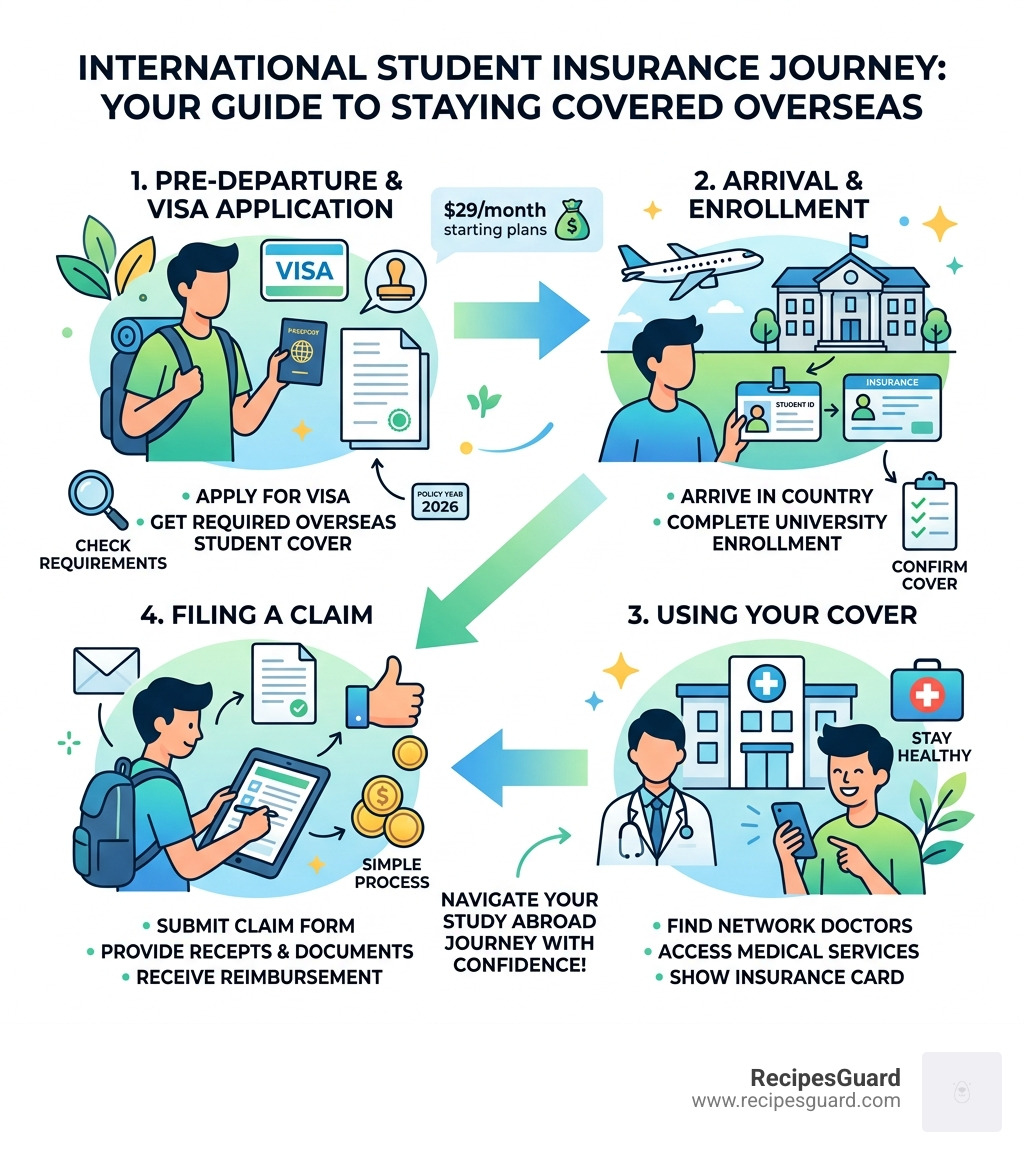
Overseas student cover definitions:
How to Meet Mandatory Overseas Student Cover Requirements

When we talk about studying in Australia, the most critical piece of the puzzle is “Condition 8501.” This is the Australian Government requirement that mandates all international students hold adequate health insurance for the entire duration of their stay. If you let your overseas student cover lapse for even a few days, you are technically in breach of your visa conditions, which can lead to the Department of Home Affairs cancelling your visa.
For those heading to Australia on a Subclass 500 visa, the specific product you need is called Overseas Student Health Cover (OSHC). Unlike standard travel insurance, OSHC is designed to mirror the benefits Australians get through Medicare. It ensures you have access to doctors, hospitals, and emergency services without facing the astronomical costs of being an “uninsured” visitor.
In other regions, the requirements shift. For example, in the USA, while there is no single government-mandated plan like OSHC, the Department of State sets strict insurance standards for J1 visa holders. Meanwhile, F1 students usually have to meet high standards set by their specific university. If your private plan doesn’t meet these “waiver requirements,” your school might force you to buy their own, often more expensive, campus plan.
To help you navigate these differences, we’ve broken down the core requirements for the most popular study destinations as of May 2026.
Step-by-Step: Choosing the Right Overseas Student Cover for Your Visa
Choosing a plan isn’t just about finding the lowest price—it’s about compliance. If your policy doesn’t meet the specific standards of your visa or school, it’s essentially useless for your application.
- Identify Your Visa Type: Are you an F1 (Student), J1 (Exchange Visitor), or perhaps on a 485 (Temporary Graduate) visa? Each has different legal benchmarks for coverage.
- Check for Waiver Eligibility: In the US, many students can save up to $300 or more by choosing a private plan instead of the university-offered one. To do this, your private overseas student cover must meet the school’s “waiver criteria.”
- Confirm the Duration: For Australian OSHC, you must purchase cover that matches your visa length exactly. If your course is three years, your insurance must be three years.
- Look for Daily Billing: Some modern providers now offer daily billing. This is a game-changer because it means you only pay for the exact number of days you are in the country, avoiding hidden fees or paying for months you don’t need.
For more detailed insights on selecting a plan, check out our guide on The Best Student Insurance For Your Semester Abroad.
Essential Benefits in Your Overseas Student Cover
A “cheap” plan that covers nothing is the most expensive plan you can buy. When we evaluate overseas student cover, we look for these non-negotiables:
- Hospital and Medical: This should cover 100% of the Medicare Benefits Scheme (MBS) fee for GP visits in Australia, and significant percentages of hospital stays.
- Mental Health Support: Studying abroad is stressful. Many top-tier plans now include 24/7 counseling services and psychology benefits as standard.
- Medical Evacuation: If you are seriously injured and need to be flown back to your home country, the costs can exceed $100,000. Ensure your plan includes “repatriation” or “emergency evacuation” coverage.
- Prescription Medicine: Most plans have a limit (often around $500–$1,000 per year) to help pay for medications prescribed by a doctor.
For a deep dive into the technical side of medical transport, see our resource on Everything You Need For A Student Medical Evacuation Claim. You can also find the official Australian standards via the Overseas Student Health Cover (OSHC) – Study Australia website.
Evaluating Key Features and Benefits of Student Plans

As we move further into 2026, the “standard” features of overseas student cover have evolved. It’s no longer just about paying for a hospital bed; it’s about digital-first healthcare. Many providers now offer dedicated apps that allow you to find a “direct-billing” doctor. This means the doctor sends the bill straight to the insurance company, so you don’t have to pay anything out of your own pocket at the time of the appointment.
Pricing has also become more competitive. While comprehensive plans exist, basic options for international students and those on OPT (Optional Practical Training) can start as low as $29 to $39 per month.
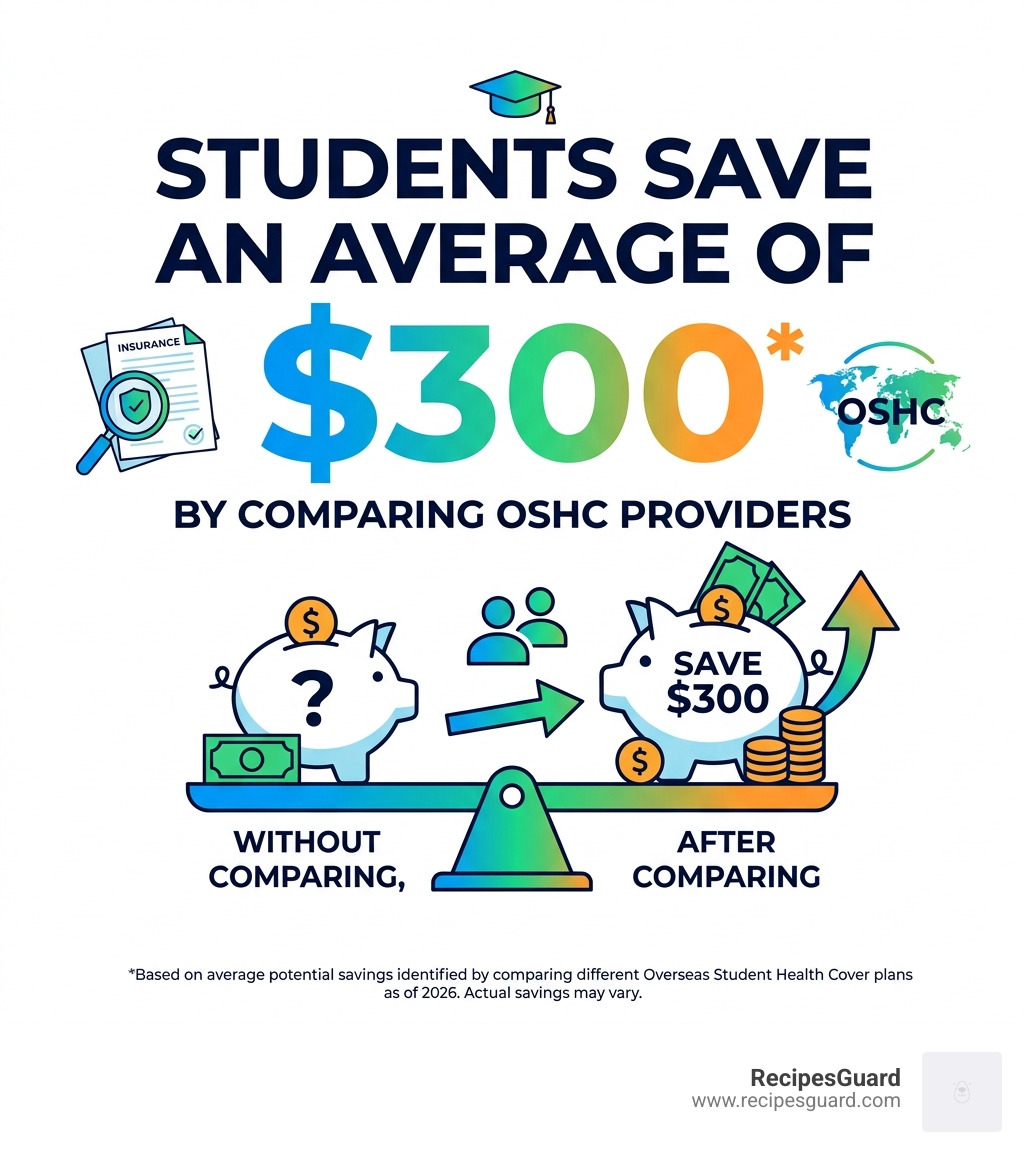
Navigating Exclusions and Policy Limitations
No insurance policy covers everything. Understanding what is not covered is just as important as knowing what is. Common exclusions in overseas student cover include:
- Waiting Periods: Most Australian OSHC plans have a 12-month waiting period for pre-existing conditions and pregnancy-related services. This means you can’t arrive in the country and immediately claim for a condition you already had.
- High-Risk Activities: If you’re planning on skydiving or professional sports, check your PDS (Product Disclosure Statement). Many basic plans exclude “extreme” activities.
- Manual Labor: If you take a part-time job that involves heavy manual labor or high-risk construction work, your student health cover may not apply to injuries sustained on the job.
- Cosmetic Surgery: Elective procedures are almost never covered.
If you are planning a break between semesters, make sure you understand Everything You Need To Know About Gap Year Travel Cover to ensure your health isn’t left unprotected during your travels.
Coverage for Dependents and Post-Graduation
If you are bringing your partner or children with you, you’ll need a “Dual Family” or “Multi-Family” policy. Interestingly, these policies are often significantly more expensive than two single policies. Why? Because insurers factor in the high statistical likelihood of pregnancy and maternity claims for couples studying abroad.
Post-graduation is another critical transition. Once you finish your studies and move onto a 485 Temporary Graduate visa in Australia, you are no longer eligible for OSHC. You must switch to Overseas Visitor Health Cover (OVHC). Failing to switch can leave you without valid insurance and in breach of your new visa conditions.
For a guide on the paperwork involved, read Cost And Certificates Your Guide To Overseas Student Health Cover.
How to Manage Your Policy and File Successful Claims
At RecipesGuard, we see students struggle with claims every day. The secret to a stress-free experience is organization. Most modern overseas student cover providers allow you to manage everything through an app, but you still need to provide the right evidence.
To file a successful medical claim, you generally need:
- A fully completed claim form (often digital).
- The original tax invoice from the doctor or hospital.
- A receipt showing you paid (if it wasn’t a direct-billing clinic).
- A medical report or referral if you saw a specialist.
If your visa is refused before you arrive, don’t panic. Almost all providers offer a full refund of your premium if you can provide the official visa refusal letter from the government.
For a step-by-step walkthrough of the process, see our guide on How To Successfully Claim Your Overseas Student Insurance.
Multilingual Support and 24/7 Assistance
One of the most underrated features of premium overseas student cover is the support network. Being sick in a foreign country is scary, especially if English isn’t your first language. Many top insurers provide:
- 24/7 Student Support Lines: These aren’t just for medical advice; they often include legal help and trauma counseling.
- Interpreter Services: If you’re at a hospital and struggling to communicate with staff, your insurer can provide over-the-phone interpretation.
- Telehealth: Many plans now offer “Online Doctors” where you can get a consultation and a prescription via video call, often with zero out-of-pocket costs.
Managing these services is much easier when you know the shortcuts, which we’ve outlined in Overseas Student Claims Made Easy.
Frequently Asked Questions about Student Health Insurance
Can I switch providers or get a refund if my visa is refused?
Yes. If you find a better deal, you can switch OSHC providers in Australia. Your new provider will usually recognize the “waiting periods” you’ve already served with your old one. If your visa is refused, you are entitled to a refund of the unused portion of your premium.
Does my plan meet my university’s specific waiver requirements?
This is mostly relevant for students in the USA. You must compare your private policy’s “Summary of Benefits” against your school’s waiver form. If the plan meets the minimum coverage for things like deductibles and co-insurance, the school must accept it.
What is the difference between basic and comprehensive student cover?
Basic plans usually cover the bare essentials required for the visa (hospital, GP, and emergency ambulance). Comprehensive plans add “extras” like dental, optical, physiotherapy, and sometimes even private room hospital cover or higher pharmacy limits.
Conclusion
Staying covered while studying overseas doesn’t have to be a headache. By understanding the mandatory requirements of your host country and choosing a plan that balances cost with essential benefits like mental health and medical evacuation, you can focus on what really matters: your education.
At RecipesGuard, we’re here to help you navigate the tricky world of insurance claims with our student-focused, step-by-step tutorials. Whether you’re dealing with a minor GP visit or a major medical emergency, we make sure you have the tools to get your money back without the stress.
For more help, explore Your Essential Guide To Overseas Student Accident Claims or visit RecipesGuard for more info about student insurance services. Safe travels and happy studying!

My name is Bianca, and my journey into the world of fermentation and food safety began with a costly mistake. I once lost an entire season’s harvest of chili peppers because I relied on guesswork instead of science. That failure was my turning point.
