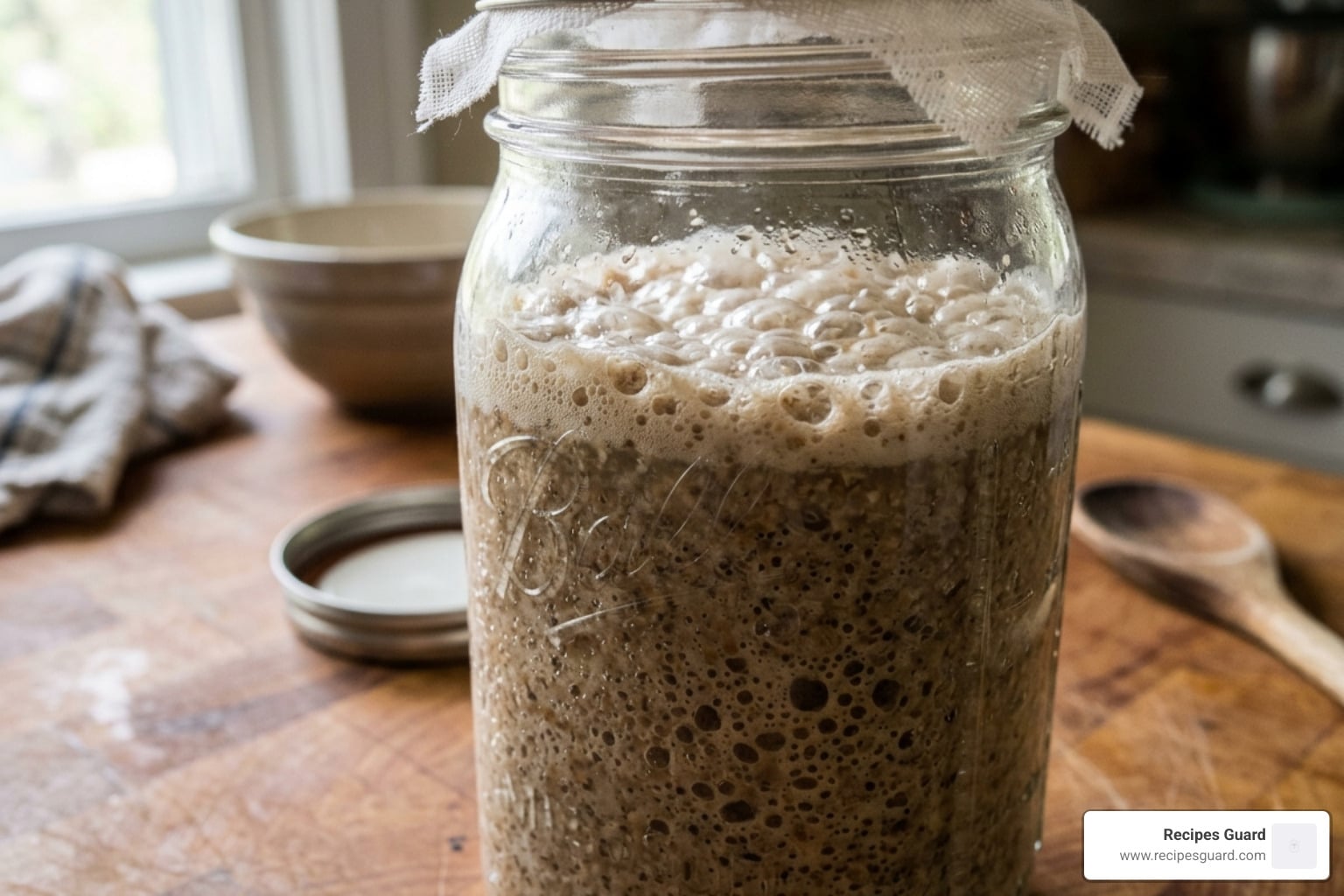
Preserve and Probioticize Your Buckwheat Grains
What is Fermented Buckwheat?
When we talk about fermented buckwheat, we aren’t just talking about a soggy bowl of seeds. We are talking about a controlled biological transformation. At its core, fermentation is the process where microorganisms—like bacteria and yeast—break down the sugars and starches in the buckwheat.
In our kitchens, this usually involves lactic acid fermentation. This is the same magical process that turns cabbage into sauerkraut and milk into yogurt. Because buckwheat is a pseudo-cereal (a seed that acts like a grain), it provides a perfect “matrix” or housing for these beneficial microbes to grow.
There are three main types of buckwheat you might encounter:
- Green Buckwheat: This is the raw, unroasted seed. It is the gold standard for fermentation because its enzymes are still intact.
- Sweet Buckwheat (Fagopyrum esculentum): The most common variety used in western cooking and the primary subject of many probiotic studies.
- Tartary Buckwheat (Fagopyrum tataricum): Often used in tea and traditional medicine, this variety is higher in rutin and has a slightly more bitter, medicinal profile.
Research published in the Characterization of Buckwheat Beverages Fermented with Lactic Acid Bacterial Cultures and Bifidobacteria demonstrates that these seeds are incredibly efficient at supporting the growth of industrial starter cultures. Whether you are making a thick porridge or a thin, drinkable “milk,” the fermentation process transforms the flavor from earthy and nutty to pleasantly tangy and bright.
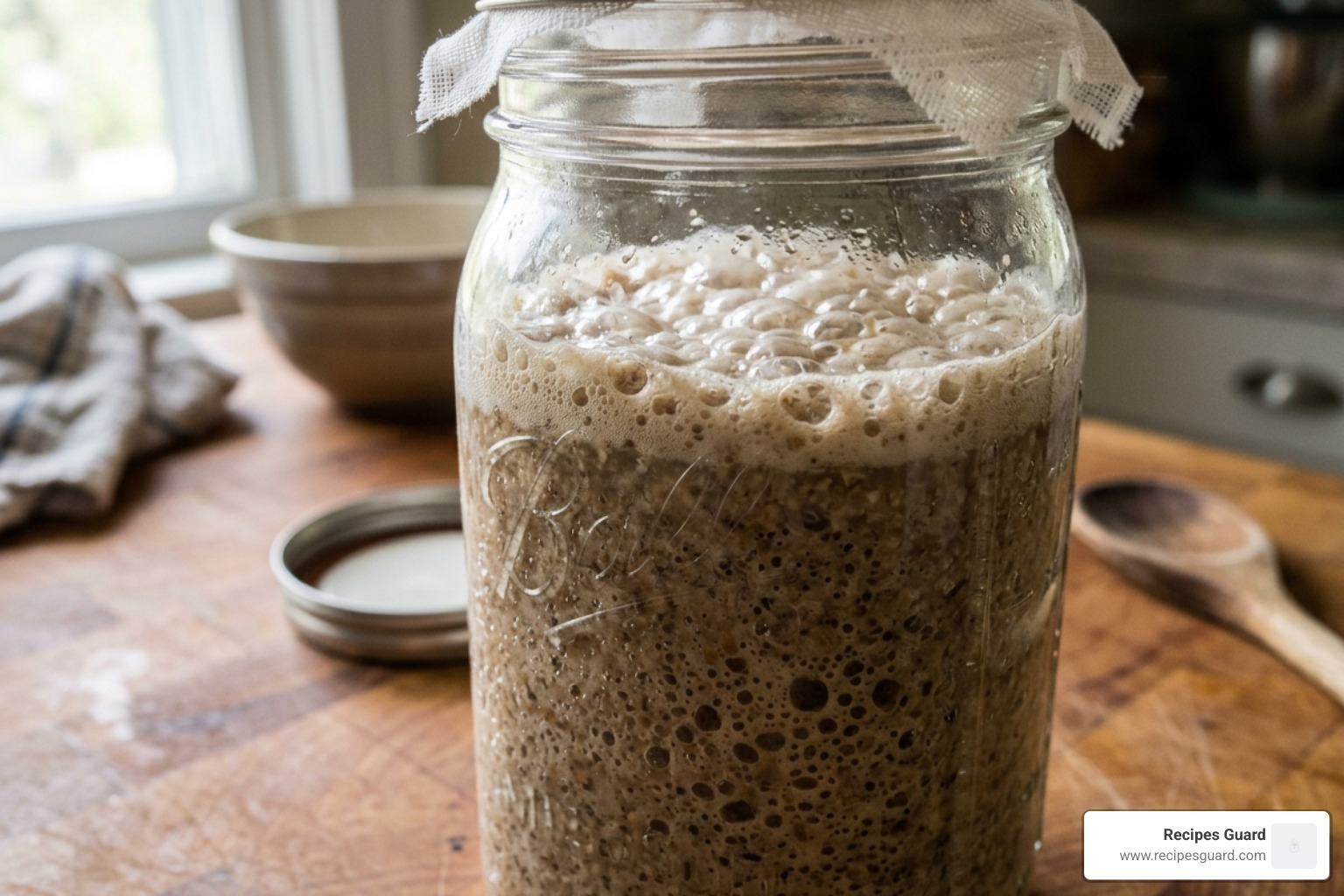
The Science Behind the Buckwheat Fermentation Probiotic Boost
Why do we care so much about the buckwheat fermentation probiotic boost? Because the numbers don’t lie. For a food to be considered “probiotic” in a functional sense, it needs to carry a high enough concentration of live bacteria to survive the journey through your stomach acid.
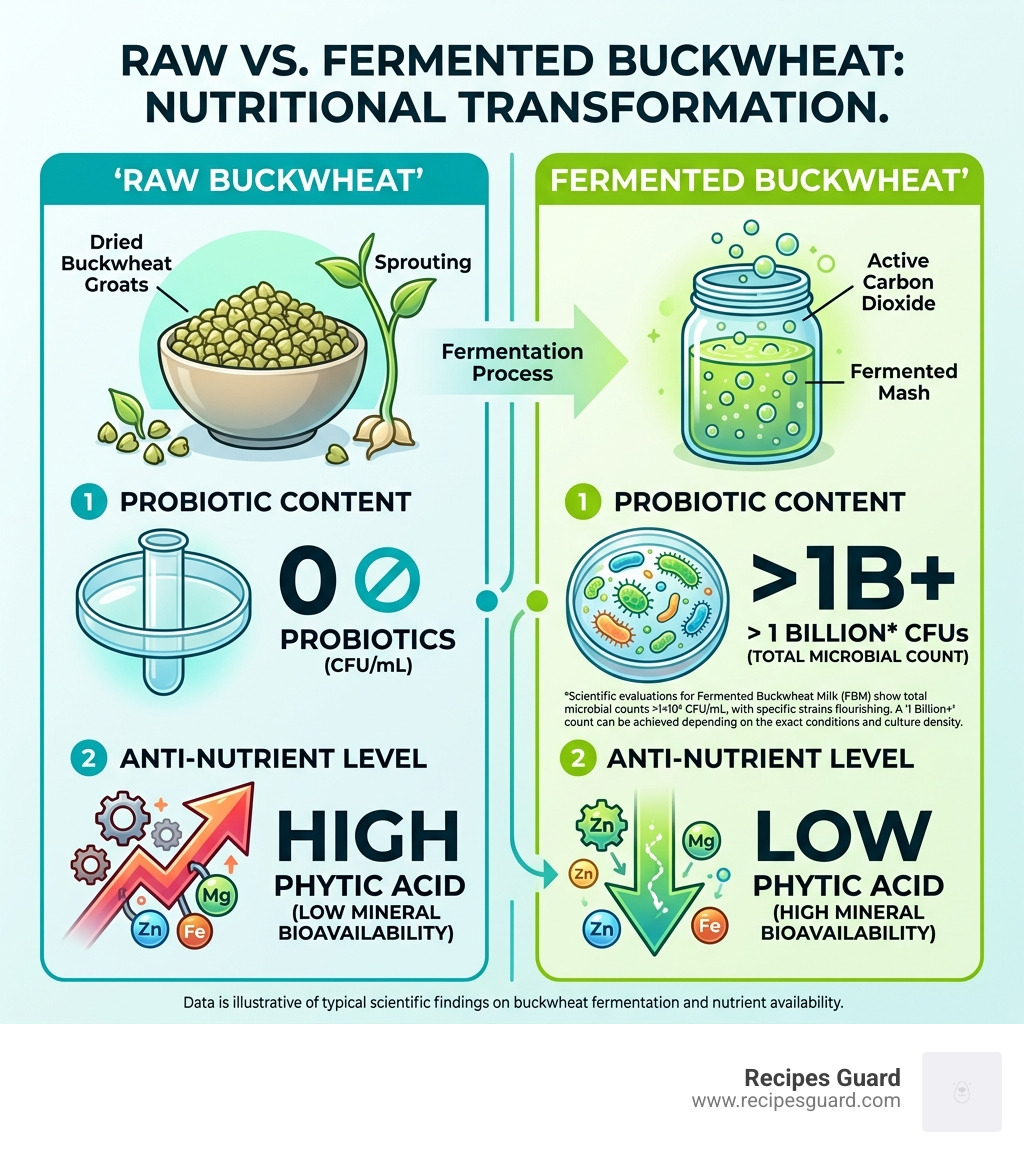
Scientific evaluations of fermented buckwheat milk (FBM) show that it can maintain total microbial counts higher than 1×10⁶ CFU/mL for up to 15 days when stored properly. During the first few hours of fermentation, we see fascinating acidification kinetics. The pH typically drops from a neutral 6.5 down to a safe, tangy 4.5 within about 5 to 8 hours.
Specific strains like Lactobacillus rhamnosus thrive in this environment. As noted in the study on Functional probiotic products based on fermented buckwheat with Lactobacillus rhamnosus, this particular strain is a powerhouse for gut health, and buckwheat provides the exact fibers it needs to multiply rapidly.
Nutritional Differences: Green vs. Roasted Buckwheat
If you’ve ever bought buckwheat at the store, you’ve likely seen the toasted, brown version known as “kasha.” While kasha is delicious and nutty, it is not your friend for fermentation.
Roasted Buckwheat has been heat-treated. This high heat denatures the natural enzymes and kills off the wild bacteria that live on the surface of the seed. It also changes the starch structure, making it harder for a buckwheat fermentation probiotic boost to take hold.
Green (Unroasted) Buckwheat, on the other hand, is a living food. It is:
- Rich in Essential Amino Acids: It contains high levels of lysine and arginine, which are often missing from true grains like wheat or corn.
- Packed with Rutin: This bioflavonoid is heat-sensitive. By fermenting raw green buckwheat instead of cooking it at high heat, you preserve more of this heart-healthy compound.
- Enzymatically Active: The natural enzymes help break down phytic acid (an anti-nutrient) during the soak, making the minerals like iron, zinc, and magnesium much more “bioavailable”—meaning your body can actually use them.
Health Benefits of a Buckwheat Fermentation Probiotic Boost
The real magic happens once that fermented buckwheat hits your digestive system. It isn’t just about the “good bugs” themselves; it’s about what those bugs produce while they are eating the buckwheat fibers.
When probiotics ferment the fibers in buckwheat, they create Short-Chain Fatty Acids (SCFAs). These are the primary fuel source for the cells lining your colon.
- Butyrate: Often called the “holy grail” of gut metabolites, butyrate helps maintain the gut barrier (preventing “leaky gut”) and has potent anti-inflammatory effects.
- Acetate and Propionate: These enter the bloodstream and play roles in regulating cholesterol and even signaling fullness to your brain.
According to research on buckwheat milk co-fermented with probiotics, the contents of six different SCFAs were significantly higher in fermented buckwheat groups compared to non-fermented controls.
Impact on Gut Microbiota and Weight Management
Can a buckwheat fermentation probiotic boost actually help you manage your weight? The science suggests yes. In animal studies, mice fed fermented buckwheat milk showed a significant reduction in weight gain even when on a high-fat diet.
This happens because the fermentation products shift the “neighborhood” of your gut. It increases the abundance of “good neighbor” bacteria like:
- Barnesiella and Ruminococcus: Known for breaking down complex plant fibers.
- Bacteroides and Prevotella: Associated with leaner body compositions and better glucose metabolism.
Furthermore, buckwheat fermentation helps lower the Firmicutes/Bacteroidetes ratio. A high ratio is often linked to obesity and systemic inflammation. By eating fermented buckwheat, you are essentially “weeding” your internal garden, reducing pathogens like E. coli and making room for the beneficial flora described in the Frontiers in Nutrition study on buckwheat supplements.
Cardiovascular Support and the “Artery Cleanse”
In Russian folk medicine, fermented buckwheat has long been hailed as an “artery cleanse.” While we might use more scientific terms today, the old wisdom holds up. The secret lies in the combination of rutin and resistant starch.
Rutin is famous for strengthening capillary walls and reducing “fragility” in the circulatory system. When you combine this with the cholesterol-lowering effects of the probiotics, you get a powerful cardiovascular tonic. The resistant starch in buckwheat doesn’t get digested in the small intestine; instead, it travels to the colon where it acts as a prebiotic, further fueling the production of heart-healthy SCFAs.
How to Ferment Buckwheat at Home
We love this process because it is incredibly low-tech. You don’t need fancy equipment—just a clean glass jar and a little bit of patience.
When sourcing your ingredients, always go for organic green buckwheat. Conventional buckwheat can sometimes be treated with drying agents that might hinder the growth of your probiotic cultures. Use filtered or spring water, as the chlorine in tap water can sometimes “stun” the bacteria you’re trying to grow.
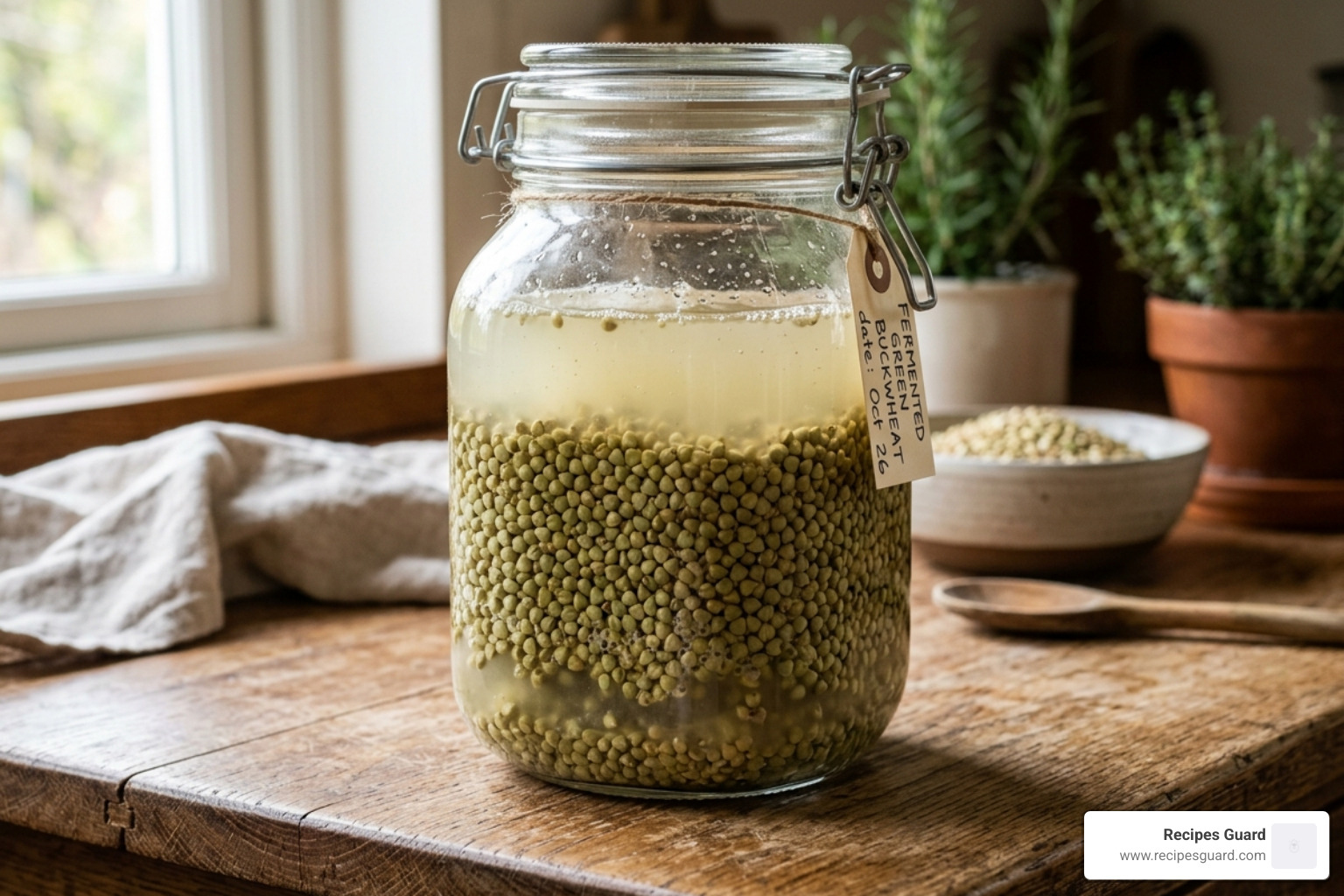
To get started, check out our Preserving Basics for a refresher on sterilization, or dive straight into our other Fermented Recipes to see how buckwheat fits into a broader probiotic lifestyle.
Step-by-Step Guide for a Buckwheat Fermentation Probiotic Boost
Follow these steps for a foolproof ferment:
- The Rinse: Measure out 16 oz of organic green buckwheat. Rinse it in a fine-mesh sieve until the water runs completely clear. Raw buckwheat has a natural coating that can turn “slimy” if not rinsed well.
- The Soak: Place the groats in a glass bowl or jar. Add about 3/4 cup to 1 cup of filtered water. You want the water to just cover the groats—too much water will result in a thin soup; just enough will create a thick, fermentable paste.
- The Kickstart: Add 2 tablespoons of a starter culture. This could be liquid whey (strained from plain yogurt), raw apple cider vinegar, or even a splash of kombucha.
- The Wait: Cover the jar with a breathable cloth or a loose lid. Let it sit at room temperature (around 70°F or 21°C) for 24 to 48 hours.
- The Finish: You’ll know it’s ready when it smells slightly sour (like sourdough starter) and you see tiny bubbles trapped in the groats.
For safety tips on how to tell if your ferment has gone the right kind of “funky,” refer to our Safety First: A Guide to Preserving Fermented Foods guide.
Troubleshooting Your Ferment
Don’t panic if things look a little different than you expected! Fermentation is a living process.
- “It’s Slimy!” This is normal for buckwheat. It contains mucilaginous fibers. If the slime bothers you, simply rinse the fermented groats in a sieve after the 48-hour mark before using them in recipes.
- “It Smells Like Old Socks.” A little “funk” is fine, but it should still smell edible and tangy. If it smells like rotting garbage or you see fuzzy mold (black, green, or red), toss it and start over.
- “Nothing is Happening.” If your kitchen is cold (under 65°F), the bacteria will move slowly. Move the jar to a warmer spot, like the top of the refrigerator.
As we say in our Easy Fermented Garlic Recipe, you shouldn’t be afraid of the funk—you just need to learn how to manage it!
Practical Ways to Incorporate Fermented Buckwheat into Your Diet
Once you have your buckwheat fermentation probiotic boost ready, the culinary possibilities are endless. You don’t have to eat it plain!
- Fermented Buckwheat Crunch: Take your fermented groats, toss them with a little cinnamon and maple syrup, and dehydrate them at a low temperature (or bake at 200°F for 2 hours). This creates a probiotic-filled, “grain-free” cereal that stays crunchy in milk.
- The Russian Morning Porridge: Blend your fermented groats with a little water or plant milk and simmer gently for 5 minutes. Top with ghee and berries.
- Probiotic Smoothies: Add a spoonful of the raw fermented mash into your morning smoothie. The fruit will mask the tang, but you’ll still get all the bacterial benefits.
If you enjoy bold flavors, you can even use the tangy liquid from your buckwheat ferment as a base for other projects, much like we explain in our guide to Mastering the Art of Lacto-Fermented Hot Sauce.
Synbiotic Combinations for Maximum Impact
To really level up your gut health, you want to create a synbiotic effect. This is when you combine a probiotic (the live bacteria) with a prebiotic (the fiber that feeds them).
Buckwheat is already a great prebiotic, but adding oat bran can take it to the next level. Oat bran is rich in beta-glucan, a type of fiber that has been shown to enhance the survival of probiotic strains like Lactobacillus paracasei.
According to the study on synbiotic fermented milk, adding 6% buckwheat flour or oat bran to a fermented base significantly improved the “viability” of the probiotics. This means the bacteria stayed alive longer in the fridge and were more likely to successfully colonize the human GI tract.
Frequently Asked Questions about Buckwheat Fermentation
Can I use roasted (brown) buckwheat for fermentation?
Technically, you can soak it, but you won’t get a true buckwheat fermentation probiotic boost. The roasting process denatures the enzymes and kills the natural microflora. If you use roasted buckwheat, you must use a very strong starter culture (like a probiotic capsule or fresh whey) to get any activity, and even then, the nutritional profile won’t be as rich as the green version.
Is fermented buckwheat safe for those with Celiac disease?
Yes! Despite the name, buckwheat contains no wheat and is 100% gluten-free. It is a pseudo-cereal. Fermentation actually makes it even safer for people with sensitive digestion because the bacteria “pre-digest” the starches and proteins, making it much gentler on the gut lining. Just ensure your buckwheat was processed in a gluten-free facility to avoid cross-contamination.
How long can I store fermented buckwheat products?
Once the fermentation is complete (after 24–48 hours at room temperature), you should move it to the refrigerator. At 4°C (about 40°F), the buckwheat fermentation probiotic boost remains stable for 15 to 28 days. Over time, it will continue to get more sour as the bacteria slowly consume the remaining sugars, but it remains safe to eat as long as no mold appears.
Conclusion
At Recipes Guard, we believe that the future of health is bubbling away in a jar on your kitchen counter. As we move through April 2026, the trend toward plant-based, sustainable probiotics is only growing. Fermenting buckwheat is more than just a “life hack”—it is a way to reclaim traditional food preservation methods to support our modern microbiomes.
By choosing green buckwheat and giving it a 24-hour “probiotic bath,” you are unlocking a treasure trove of SCFAs, bioavailable minerals, and heart-healthy rutin. It’s easy, it’s affordable, and your gut will thank you for it.
Ready to explore more? Explore more fermented recipes and start your journey into the wonderful world of home preservation today!