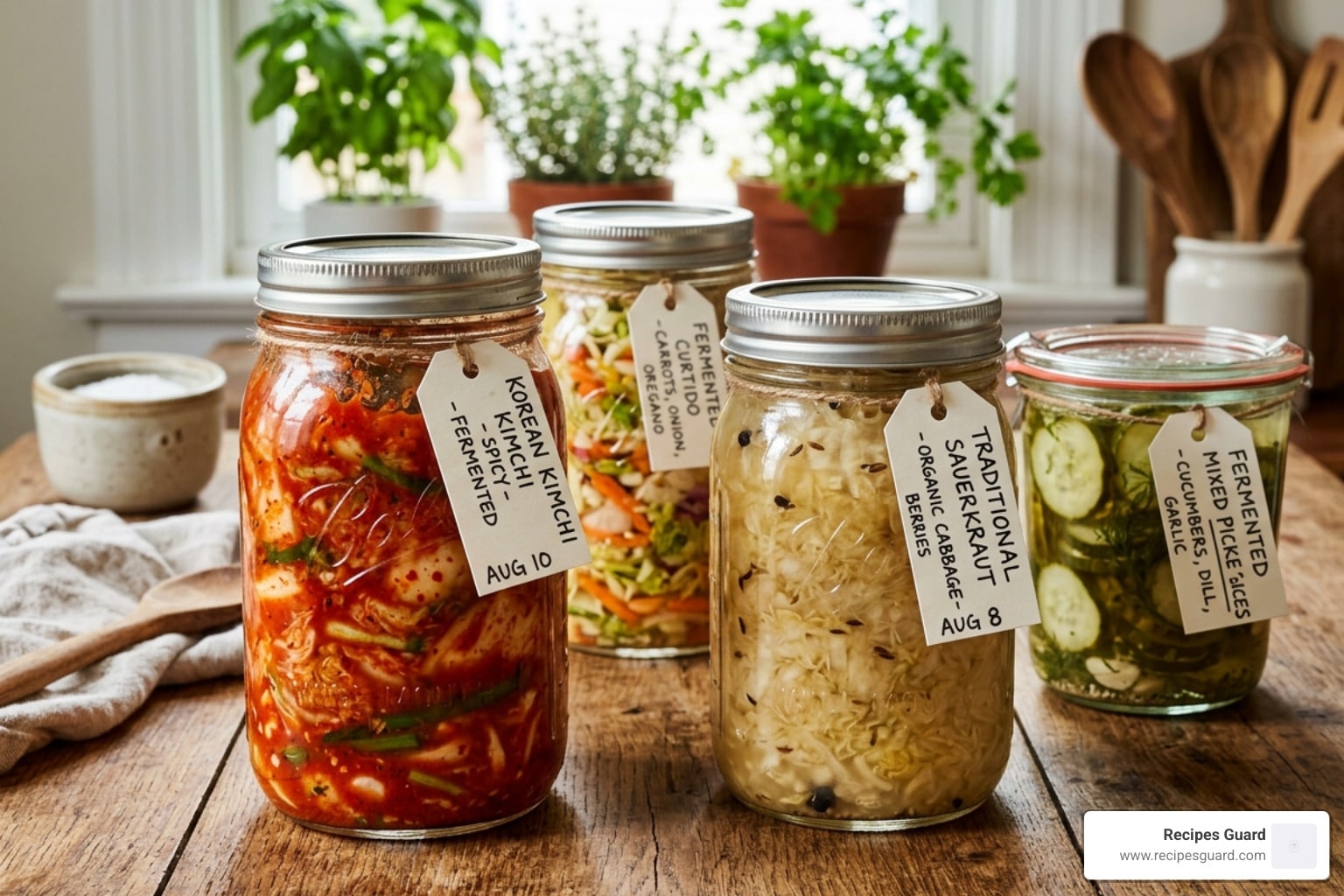
Why Fermented Vegetables Are the Real MVPs of Your Microbiome
Why Fermented Vegetables Benefits Are Worth Your Attention
Fermented vegetables benefits go far beyond just adding a tangy kick to your meals. These living foods work hard inside your body — feeding your gut bacteria, fighting inflammation, and even making nutrients easier to absorb.
Here’s a quick look at the main benefits:
- Gut health – Introduce beneficial bacteria and feed your existing microbiome
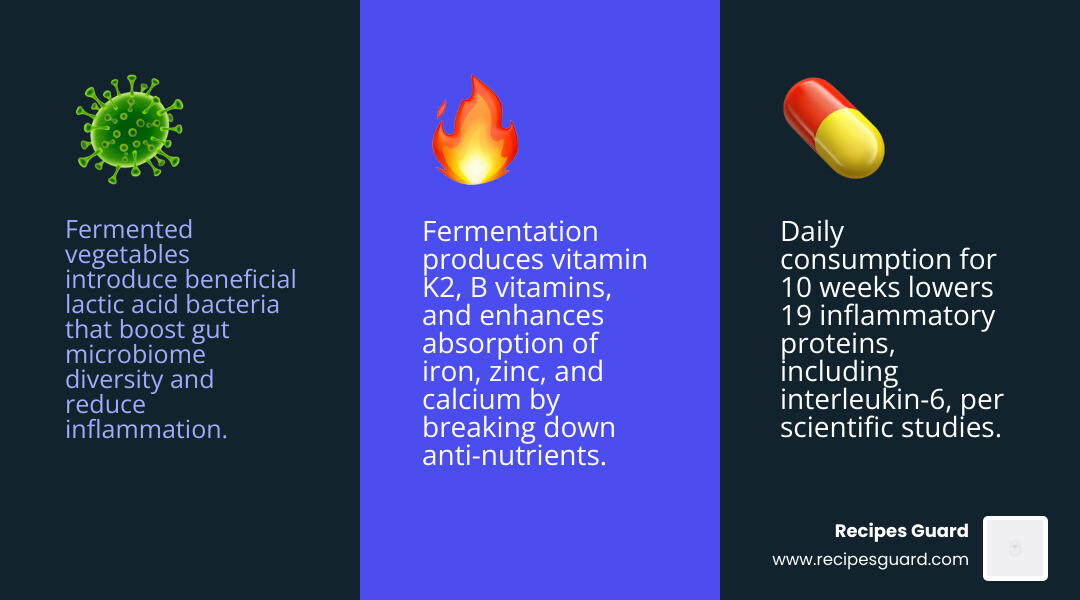
- Reduced inflammation – Regular consumption is linked to lower levels of inflammatory proteins, including interleukin-6
- Better nutrient absorption – Fermentation breaks down anti-nutrients, making iron, zinc, and calcium easier for your body to use
- Improved digestion – Lactic acid bacteria pre-digest hard-to-break-down molecules, easing bloating and discomfort
- Vitamin production – Fermentation generates B vitamins, vitamin K2, and digestive enzymes
- Food safety and preservation – The acidic environment created during fermentation naturally inhibits harmful bacteria like E. coli and salmonella
Humans have relied on fermented foods for thousands of years — not just for preservation, but because they make food more nutritious, not less. That jar of kimchi sitting in your fridge? It’s doing a lot more than you might think.
And the science is catching up to what our ancestors already knew. One study found that people who ate fermented foods daily for 10 weeks showed reduced levels of 19 different inflammatory proteins. That’s a meaningful result from a pretty simple dietary habit.
Whether you’re fermenting at home or grabbing a jar at the store, understanding what’s actually happening inside that brine is the first step to getting the most out of these foods.
The Science of the Jar: Fermentation vs. Pickling
It is a common mistake to use the terms “fermented” and “pickled” interchangeably, but in food science, they are cousins, not twins. Understanding the difference is key to unlocking the true fermented vegetables benefits you’re looking for.
Lactic Acid Bacteria and the Anaerobic Environment
True fermentation—specifically lacto-fermentation—relies on microscopic workers called Lactic Acid Bacteria (LAB). When we place vegetables in a salty brine and seal them away from oxygen (an anaerobic environment), these beneficial bacteria begin to feast on the natural sugars in the plant.
As they eat, they produce lactic acid. This process does two incredible things: it creates that signature tangy flavor we love in sauerkraut and kimchi, and it lowers the pH level of the food. According to Scientific research on fermentation technology and safety, this drop in pH creates an environment where harmful pathogens like E. coli or Salmonella simply cannot survive.
Why Vinegar Isn’t Always Your Friend
On the flip side, most “pickles” you see on supermarket shelves are made via acidification. This involves pouring hot vinegar (acetic acid) over vegetables. While this preserves the food and makes it shelf-stable, the heat and acidity usually kill off any beneficial microbes. If the jar hasn’t been fermented by bacteria, it’s just a “vinegar pickle,” and it won’t offer the probiotic punch your gut is craving.
| Feature | Natural Fermentation | Vinegar Pickling |
|---|---|---|
| Primary Agent | Live Lactic Acid Bacteria | Acetic Acid (Vinegar) |
| Probiotics | Rich in live, active cultures | Usually none (killed by heat) |
| Process | Bacteria convert sugars to acid | Acid is added externally |
| Health Focus | Microbiome and enzyme support | Flavor and long-term shelf life |
| Storage | Often requires refrigeration | Usually shelf-stable until opened |
6 Science-Backed Fermented Vegetables Benefits for Your Body
If you’ve ever wondered if that side of kimchi is actually doing anything, the research is in—and it’s impressive. Scientists are finding that fermented foods act as “functional foods,” meaning they provide health benefits beyond basic nutrition.
1. Significant Reduction in Inflammation
Chronic inflammation is the silent driver behind many modern diseases. A landmark study published in Cell showed that participants who increased their intake of fermented foods over 10 weeks saw a decrease in 19 different inflammatory proteins. One of the most notable was interleukin 6, a marker often linked to chronic stress and age-related diseases.
2. Neutralizing Toxins and Anti-Nutrients
Nature isn’t always helpful; many raw vegetables contain “anti-nutrients” like phytates and tannins that block your body from absorbing minerals. Fermentation acts as a form of “pre-digestion.” For example, lacto-fermenting cassava root can reduce its cyanide concentration by more than 70%. In other vegetables, it breaks down oxalic acid, which can interfere with calcium absorption.
3. Boosting Mineral Bioavailability
Because fermentation breaks down those pesky anti-nutrients, your body can finally get to the good stuff. Studies show that the bioavailability of iron and zinc can almost double after fermentation. This is a game-changer for those on plant-based diets who might struggle to absorb enough minerals from raw greens alone.
4. Production of Vitamin K2 and B-Vitamins
Bacteria are little nutrient factories. During the fermentation process, they synthesize vitamins that weren’t there to begin with. Fermented vegetables are a rare plant-based source of Vitamin K2, which is essential for bone health and preventing calcium buildup in the arteries. They also show increased levels of riboflavin, thiamine, and even B12 in certain vegetable ferments.
5. Enhanced Antioxidant Capacity
According to USDA research on the health benefits of fermented vegetables, the process can actually increase the antioxidant content of the food. For instance, five-year-old fermented radishes have been found to contain β-sitosterol, which has potent antioxidant and antibacterial effects.
6. Supporting Metabolic Health
Regular consumption of fermented vegetables has been linked to better blood sugar control. A ten-year prospective cohort study confirmed that consistent intake can reduce the risk of developing type 2 diabetes. This is partly due to the organic acids produced, which help regulate the glycemic response. You can read more about these specific mechanisms in this Study on nutritional quality and health effects.
How Fermented Foods Supercharge Your Gut Microbiome
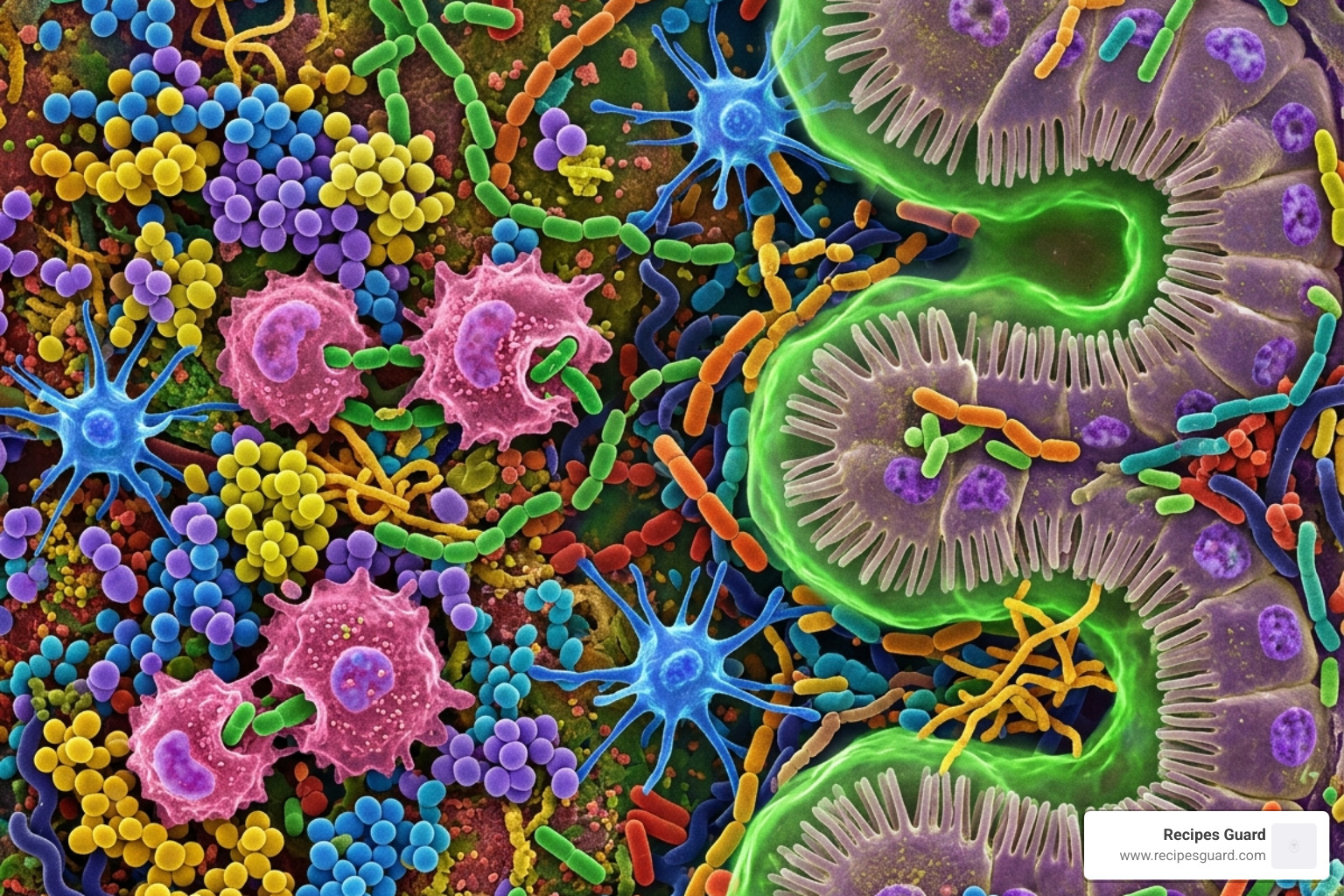
Your gut is home to over 100 trillion microorganisms. It’s a bustling city, and fermented vegetables are the high-quality “fuel” and “immigrants” that keep the city running smoothly.
The Power of Postbiotics
We often talk about probiotics (the bacteria), but the real magic might be in the postbiotics. These are the healthful metabolites and chemical byproducts—like short-chain fatty acids (SCFAs)—that bacteria leave behind during fermentation.
One of the most important SCFAs is butyric acid. It serves as the primary energy source for the cells lining your colon. By strengthening this gut barrier, fermented vegetables help prevent “leaky gut” and keep your immune system from overreacting to food particles.
Alleviating Digestive Distress
If you suffer from Irritable Bowel Syndrome (IBS) or general bloating, fermented vegetables might be your best friend. The “pre-digestion” performed by lactic acid bacteria breaks down complex carbohydrates and oligosaccharides (the stuff in cabbage and beans that usually causes gas). Ingesting these foods for six months has been shown to ameliorate gut dysbiosis and significantly alleviate IBS symptoms.
A Sustainable Nutritional Resource
Beyond our personal health, Fermented vegetables as a sustainable nutritional resource are vital for the planet. Fermentation is a low-energy preservation method that reduces food waste. When fresh produce spoils quickly, turning a surplus of cabbage into sauerkraut ensures that we have nutrient-dense, probiotic-rich food all year round without relying on heavy industrial processing.
Shopping and Safety: How to Identify and Use Real Probiotics
Not all jars are created equal. If you want to experience the full range of fermented vegetables benefits, you have to know what to look for at the grocery store.
The “Dead” vs. “Alive” Test
The most important rule: Check the refrigerated section. Most shelf-stable jars on the middle aisles have been pasteurized. Pasteurization involves high heat, which kills the “live and active cultures” that make these foods so beneficial. While pasteurized sauerkraut still has fiber and some vitamins, it lacks the probiotic punch.
What to look for on the label:
- “Naturally fermented”
- “Live, active cultures”
- “Unpasteurized”
- “Keep refrigerated”
- Lists of specific bacteria (like Lactobacillus)
Sodium and Sugar Considerations
Traditional fermentation often uses a brine of 6% to 10% salt. While salt is necessary to keep the “bad” bacteria out, those on low-sodium diets should be mindful. Some modern producers are now using calcium chloride to reduce the total sodium content without losing the crunch or safety of the product. Also, watch out for added sugars in items like kombucha or certain “sweet” pickles.
Starting Slow
If your gut isn’t used to a high volume of probiotics, diving into a massive bowl of kimchi might cause some temporary bloating or “bathroom emergencies.” We recommend starting with just one tablespoon a day and gradually working your way up to a full serving. This gives your microbiome time to adjust to its new residents.
If you’re ready to try making your own at home (which is the best way to control the salt and quality!), check out our Fermented Recipes for step-by-step guidance.
Frequently Asked Questions about Fermented Vegetables Benefits
Maximizing Fermented Vegetables Benefits Through Daily Habits
How much should I eat? There are no official government guidelines yet, but most experts suggest aiming for one serving (about 1/2 cup) of fermented food daily.
How do I eat them? You don’t have to eat them straight from the jar (though we do!).
- Toss sauerkraut into a sandwich or wrap.
- Use kimchi as a topping for avocado toast or grain bowls.
- Mix a spoonful of fermented beets into your salad.
- Add a side of fermented pickles to your dinner plate.
Should I cook them? To get the probiotic benefits, it’s best to eat them raw or add them to your food after cooking. High heat will kill the beneficial bacteria.
Common Myths About Fermented Vegetables Benefits
Myth: Probiotic pills are better than fermented foods. Actually, fermented foods are often superior! They provide a “trifecta” of benefits: the live bacteria (probiotics), the fiber that feeds them (prebiotics), and the healthy byproducts (postbiotics). Plus, they taste a lot better than a capsule.
Myth: All pickles are fermented. As we discussed, most commercial pickles are just “vinegar-bathed.” If it didn’t sit and bubble on a counter for a week, it probably isn’t fermented.
Myth: Fermentation is dangerous. Fermented vegetables actually have a stellar safety record. Because the lactic acid bacteria make the environment so acidic, it’s nearly impossible for dangerous pathogens to grow. In fact, there are almost no recorded outbreaks associated with properly fermented vegetables.
Who should avoid fermented vegetables?
While they are “MVPs” for most, some groups should exercise caution:
- Histamine Intolerance: Fermentation increases histamine levels. If you get headaches or hives after eating aged cheese or wine, talk to your doctor.
- Sodium Sensitivity: Those with high blood pressure should look for low-sodium ferments or rinse their sauerkraut before eating.
- Immunocompromised Individuals: If you have a severely weakened immune system, consult your physician before introducing “live” unpasteurized foods.
- Severe GI Conditions: People with certain types of SIBO (Small Intestinal Bacterial Overgrowth) might find that the extra bacteria cause more discomfort initially.
Conclusion
At Recipes Guard, we believe that the ancient art of fermentation is the future of gut health. By embracing fermented vegetables benefits, you aren’t just eating; you’re cultivating an internal garden that supports your immunity, mood, and digestion.
From the tangy crunch of a traditional deli pickle to the spicy, complex layers of a well-aged kimchi, these foods are a delicious bridge between culinary tradition and modern science. They help us reduce food waste, increase our nutrient intake, and connect with the microbial world that keeps us healthy.
Ready to turn your kitchen into a probiotic laboratory? Start your fermentation journey with our extensive guide and discover how easy (and addictive) it is to ferment your way to better health!