7 Best Storage Containers for Dried Beans to Keep Your Pantry Perfect
Why the Best Storage Containers for Dried Beans Are Worth Getting Right
The best storage containers for dried beans can mean the difference between beans that cook up tender and flavorful — and ones that sit rock-hard in the pot no matter how long you simmer them.
Here’s a quick look at the top picks:
| Container | Best For | Key Feature |
|---|---|---|
| Planetary Design Airscape | Everyday pantry use | Patented oxygen-removing plunger lid |
| LOCK & LOCK Easy Essentials | Bulk buying | 50.7-cup capacity, four-hinge lock |
| Progressive ProKeeper+ | Small-batch storage | Integrated scoop, silicone seal |
| Veken Airtight Canister | Modern kitchens | Date tracker, stainless steel |
| Chef’s Path Extra Large | Bulk beans and flour | 6.5L capacity, 38,000+ reviews |
| Palouse Brand Buckets | Long-term stockpiling | Gasketed lid, 25lb capacity |
| Glass Mason Jars | Small batches, visibility | Rodent-proof, non-reactive |
Dried beans are one of the most forgiving pantry staples — until you store them wrong. Moisture, oxygen, and light quietly degrade your beans over time. Vitamins break down. Skins toughen. Old beans simply refuse to soften, no matter how long they soak.
If you’ve ever cooked a pot of chili and watched the beans stay stubbornly hard after hours on the stove, you already know this pain.
The good news? The right container fixes most of these problems. Whether you’re preserving a small jar of heirloom lentils or stockpiling 25 pounds of black beans for long-term storage, there’s an option that fits your setup.

Why Choosing the Best Storage Containers for Dried Beans Matters
We often think of dried beans as “immortal” food. While it’s true they can last for years, their quality is a ticking clock. As we move through 2026, the standards for food preservation have evolved. It’s no longer just about keeping bugs out; it’s about maintaining the cellular integrity of the bean.
When beans are exposed to air, oxidation occurs. This process breaks down the natural oils in the beans, leading to a stale flavor and nutrient degradation. Furthermore, beans are hygroscopic, meaning they absorb moisture from the air. If they get too damp, you’re looking at mold prevention issues. If they get too dry, the starches crystallize, leading to the dreaded “hard-to-cook” phenomenon where no amount of soaking can save them.
By utilizing Preserving Basics, we can extend the life of legumes significantly. Proper storage ensures that when you finally decide to make that cassoulet, the beans rehydrate evenly and maintain a creamy texture. According to industry insights on An Airtight Grain Storage Container | ProKeeper, a truly airtight seal is the baseline for preventing these structural failures.
Key Features of High-Performance Bean Storage
What makes a container “high-performance”? It isn’t just a pretty lid. When we evaluate the best storage containers for dried beans, we look for a specific set of engineering feats:
- Airtight Seals & Silicone Gaskets: A simple snap-on lid isn’t enough. You need a pressurized seal or a thick silicone gasket that physically blocks air exchange.
- BPA-Free Materials: Since beans can sit in these containers for months or years, ensuring no chemicals leach into your food is paramount.
- UV Protection: Light is an overlooked enemy. If your pantry has windows or high-output LED lighting, clear plastic can allow UV rays to degrade the vitamins in your beans. Opaque or tinted materials like stainless steel or ceramic are superior for light-sensitive storage.
- Stackable Design: Pantry real estate is expensive. Flat lids and modular shapes allow you to build “bean towers” that maximize vertical space.
- Measurement Markings: Knowing you have exactly 4 cups of chickpeas left without having to pour them out into a measuring cup is a massive time-saver for busy cooks.
Material Comparison Table
| Material | Pros | Cons |
|---|---|---|
| Glass | Non-reactive, rodent-proof, clear visibility | Heavy, breakable, allows light in |
| BPA-Free Plastic | Lightweight, stackable, affordable | Can absorb odors, may scratch over time |
| Stainless Steel | Light-blocking, extremely durable, sleek | Cannot see contents without opening |
| Ceramic | Beautiful for countertops, light-blocking | Heavy, usually not as airtight as plastic |
For those who prioritize precision, the Progressive ProKeeper+ Grain Container with Scoop is a gold standard because it combines a high-quality silicone seal with built-in measurement tools.
7 Top-Rated Solutions for Your Bean Collection
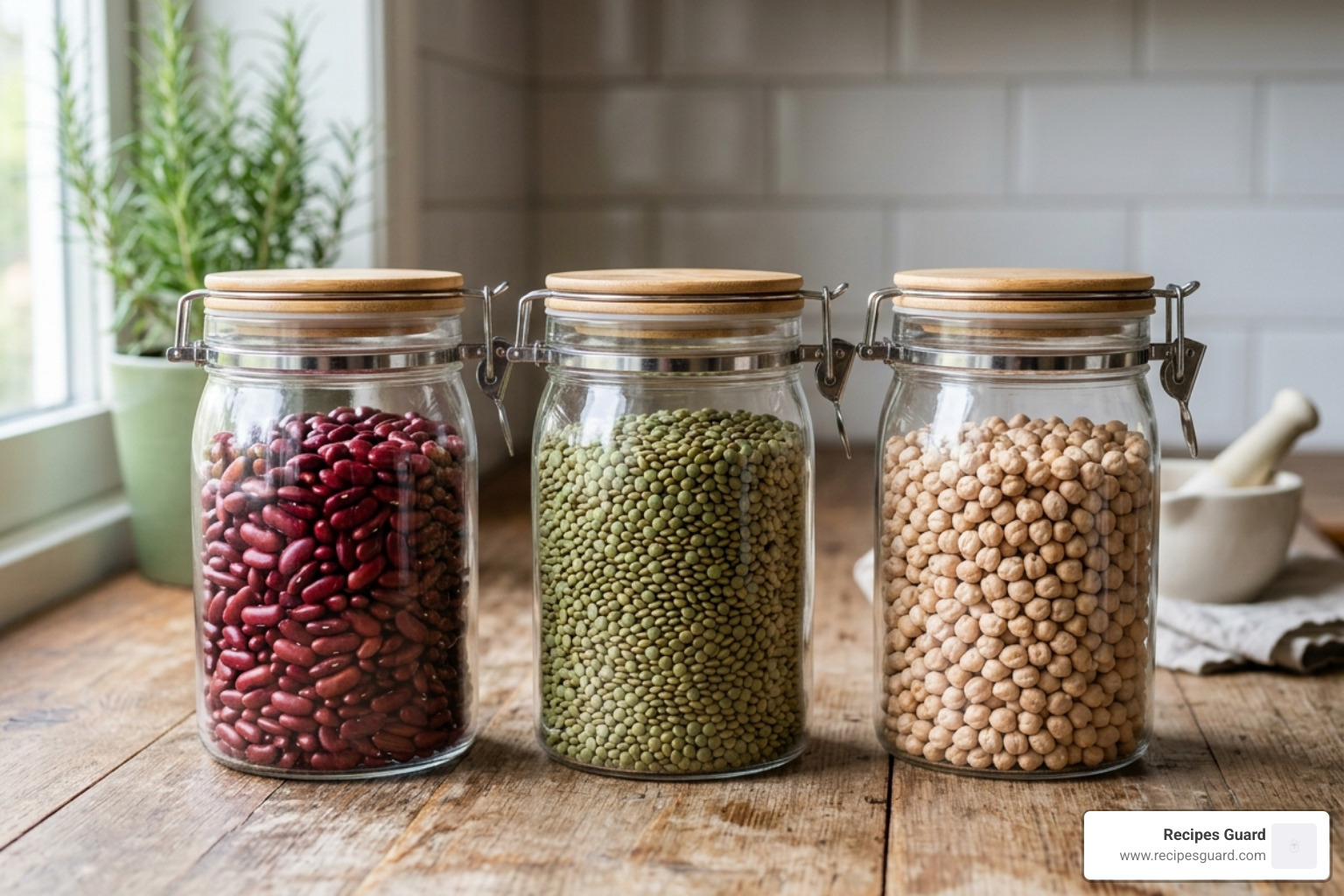
Choosing the right set depends on whether you’re a “buy a bag a week” cook or a “buy a 50lb sack once a year” prepper. We’ve analyzed customer reviews and real-world durability tests to bring you the top seven performers for 2026.
1. Planetary Design Airscape Stainless Steel Canister
If you are serious about freshness, the Airscape is in a league of its own. While most containers are “airtight,” the Airscape is “air-less.” It features a patented inner plunger lid that you push down into the canister. As you push, it forces the air out through a valve before locking in place.
With a 4.8-star rating from over 8,600 reviews, this is a favorite for coffee beans, but it works wonders for dried legumes. The stainless steel body provides total UV protection, and the durability is unmatched—you could drop this on a tile floor and it would likely just suffer a small dent rather than shattering.
2. LOCK & LOCK Easy Essentials Bulk Storage
For the bulk buyers among us, the LOCK & LOCK Easy Essentials line is a powerhouse. Specifically, their 50.7-cup capacity container is a beast, capable of holding massive quantities of rice or beans. It features a four-hinge locking system that creates a secure, moisture-resistant environment.
If you’re moving into even larger quantities, you might look at something like the Red Kidney Beans 5 Gallon Life Latch® Screw Top Pail – 32 lb. (14.51 k – Healthy Traditions. However, for a standard home pantry, the LOCK & LOCK offers the best balance of bulk capacity and ease of use. It’s been a top seller with over 2,000 units bought in the last month alone!
3. Progressive ProKeeper+ Grain Container
The ProKeeper+ is the “smart” choice for the organized pantry. This 2.4-quart container is specifically designed for grains and beans. What sets it apart is the integrated scoop that clips into the lid and the measurement markings on the side.
As noted by the experts at the Prokeeper+ Grain Storage Container – King Arthur Baking Company, the silicone seal is exceptionally effective at keeping freshness in and odors out. It’s also dishwasher safe, making it one of the most low-maintenance high-performance options on our list.
4. Veken Airtight Canister Set
The Veken set is currently the #1 Top Rated option for those who love a modern aesthetic combined with functional tech. These stainless steel canisters feature a built-in date tracker on the lid. This allows you to log the date you purchased or stored the beans, ensuring you follow a “first-in, first-out” rotation.
With a 4.8-star rating from nearly 9,000 reviews, users praise its ability to prevent oxidation and keep dry goods crisp. The set usually comes with multiple sizes, making it a great value for organizing an entire collection of different bean varieties.
5. Chef’s Path Extra Large Containers
When you need to store 10 pounds of pinto beans and 10 pounds of flour, Chef’s Path is the answer. Their extra-large 6.5L (220oz) containers are designed for massive volume. With over 38,000 reviews, the consensus is clear: these are the kings of space-saving bulk storage.
The lids are interchangeable across the set, which eliminates the “Tupperware drawer” frustration of trying to find the right lid. They are tall and slim, designed to fit deep into pantry shelves while maximizing vertical space.
6. Palouse Brand Emergency Storage Buckets
For true long-term preservation, you cannot beat the Black Beans | 25 LB Bucket | Long Term Food Storage – Palouse Brand. These are not just plastic buckets; they are food-grade vessels with rubber gasketed lids.
These buckets are designed to keep beans shelf-stable for decades. Palouse Brand sources their beans from the Pacific Northwest, and their packaging is intended for those who want to “set it and forget it.” Even after opening, the gasketed lid ensures the seal remains airtight, protecting your investment from moisture and pests.
7. Glass Mason Jars with Suretight Lids
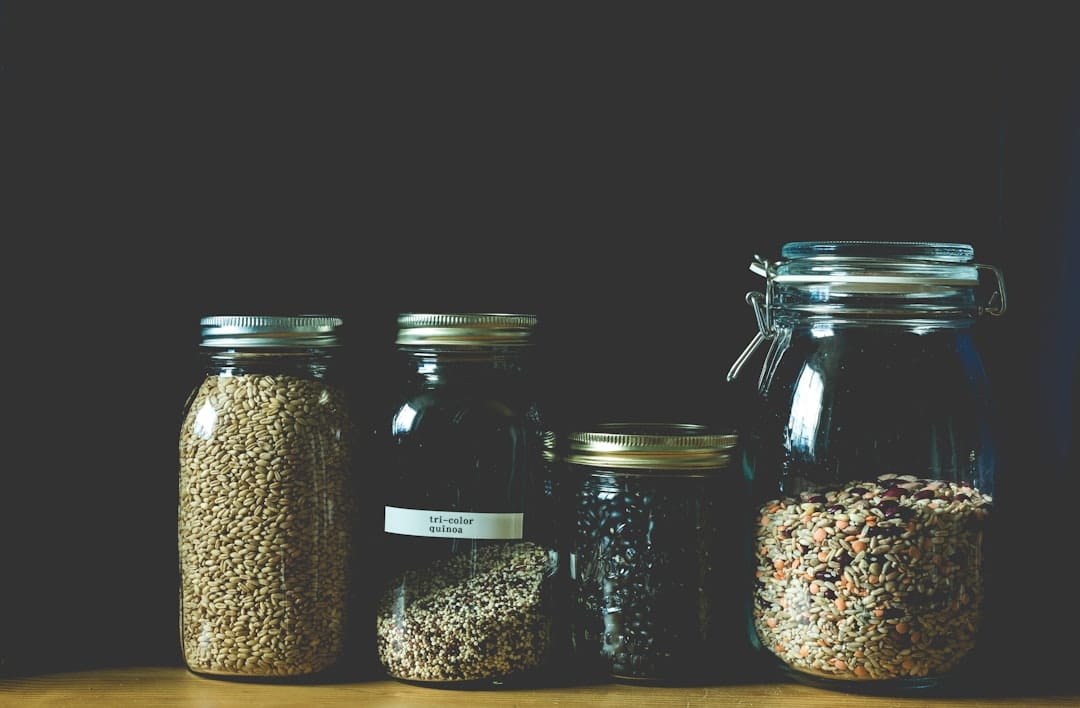
Sometimes, the old ways are the best. For small batches of heirloom beans or lentils you use frequently, glass Mason jars are hard to beat. They are 100% rodent-proof (mice can chew through plastic, but not glass) and completely non-reactive.
Using “Suretight” lids ensures a much better seal than standard decorative lids. The transparency allows you to see exactly what you have, which makes for a beautiful, colorful pantry display. Plus, they are the most eco-friendly option as they can be reused for a lifetime.
Advanced Preservation and Common Mistakes to Avoid
Even the best storage containers for dried beans need a little help if you’re planning on keeping them for more than a year. Here are some pro-tips:
- Oxygen Absorbers: For long-term storage in buckets or Mylar bags, dropping in an oxygen absorber packet will remove the remaining O2, virtually stopping the clock on degradation.
- Temperature Control: Aim for a “Goldilocks” zone between 35°F and 70°F. Avoid storing beans in a garage or an attic where temperatures fluctuate wildly.
- The Freezing Trick: If you buy beans in bulk from a source you aren’t sure about, freeze them for 48 hours before putting them in your permanent containers. This kills any potential weevil eggs that might be hitching a ride.
- Avoid Damp Basements: Even in an airtight container, external humidity can eventually cause lid seals to fail or metal lids to rust.
- Safety First: If you are planning to use your beans for fermentation later, check out our guide Safety First: A Guide to Preserving Fermented Foods to ensure your base ingredients are starting off in peak condition.
Frequently Asked Questions about the Best Storage Containers for Dried Beans
How long do dried beans stay fresh in the best storage containers for dried beans?
Technically, dried beans can last indefinitely if kept bone-dry and away from oxygen. However, for the best culinary results, we recommend a 2-year rotation. After two years, vitamins begin to degrade significantly, and the beans may require much longer cooking times.
Is glass or plastic better for the best storage containers for dried beans?
It depends on your priority. Glass is superior for flavor purity and rodent resistance. However, if you have a high-traffic kitchen or children, BPA-free plastic is much safer and lighter. Some users have noted that snacks stored in plastic can develop a “plasticky” off-flavor over many months, but this is less common with hard-shelled dried beans.
How do I prevent pantry pests in my bean containers?
The first line of defense is an airtight seal. If a bug can’t get in, it can’t lay eggs. For extra security, some people add a dried bay leaf to the container, which is a natural deterrent. For more tips on keeping your dry goods safe, see our article on How to Save Your Salty Snacks.
Conclusion
Achieving pantry perfection doesn’t happen by accident—it happens by design. By investing in the best storage containers for dried beans, you are protecting your health, your grocery budget, and your future meals. Whether you choose the high-tech oxygen removal of the Airscape or the bulk reliability of Palouse Brand buckets, your future self will thank you when those beans cook up perfectly tender every time.
At Recipes Guard, we are dedicated to the art of preservation. From specialized fermentation techniques to the basics of dry storage, we want to help you master your kitchen. For more expert advice, check out More info about preservation services and join our community of food enthusiasts.
In 2026, there’s no excuse for a “hard bean” ever again. Happy storing!