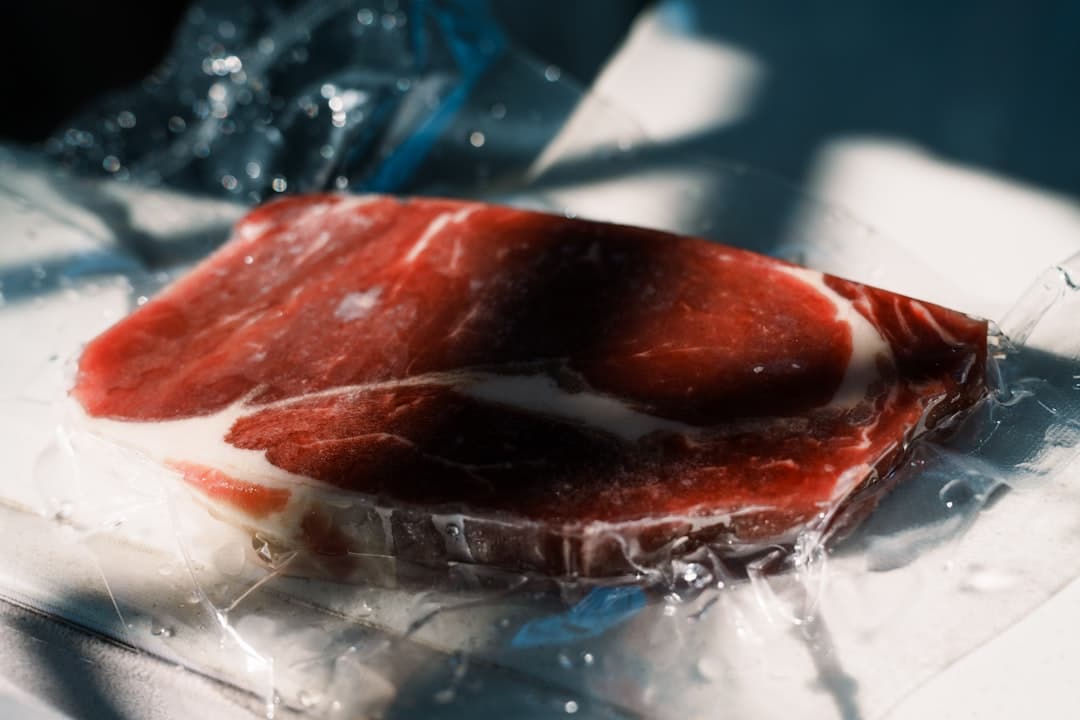
Seal the Deal on Your Meat Storage
Introduction
Why a Butcher Vacuum Sealer Is the Gold Standard for Meat Preservation
A butcher vacuum sealer is one of the most effective tools you can use to preserve meat, prevent freezer burn, and dramatically extend how long your food stays fresh.
Quick answer — how do butcher vacuum sealers compare to other meat preservation methods?
| Method | Shelf Life (Freezer) | Protects Against Freezer Burn | Handles Liquids | Cost |
|---|---|---|---|---|
| Chamber vacuum sealer | Up to 5x longer | Yes | Yes | $300–$39,500 |
| External vacuum sealer | Significantly extended | Yes | Limited | $110–$350 |
| Zip-lock bags | Standard | No | Yes | Very low |
| Butcher paper wrap | Standard | Partial | No | Very low |
| Plastic wrap | Standard | No | No | Very low |
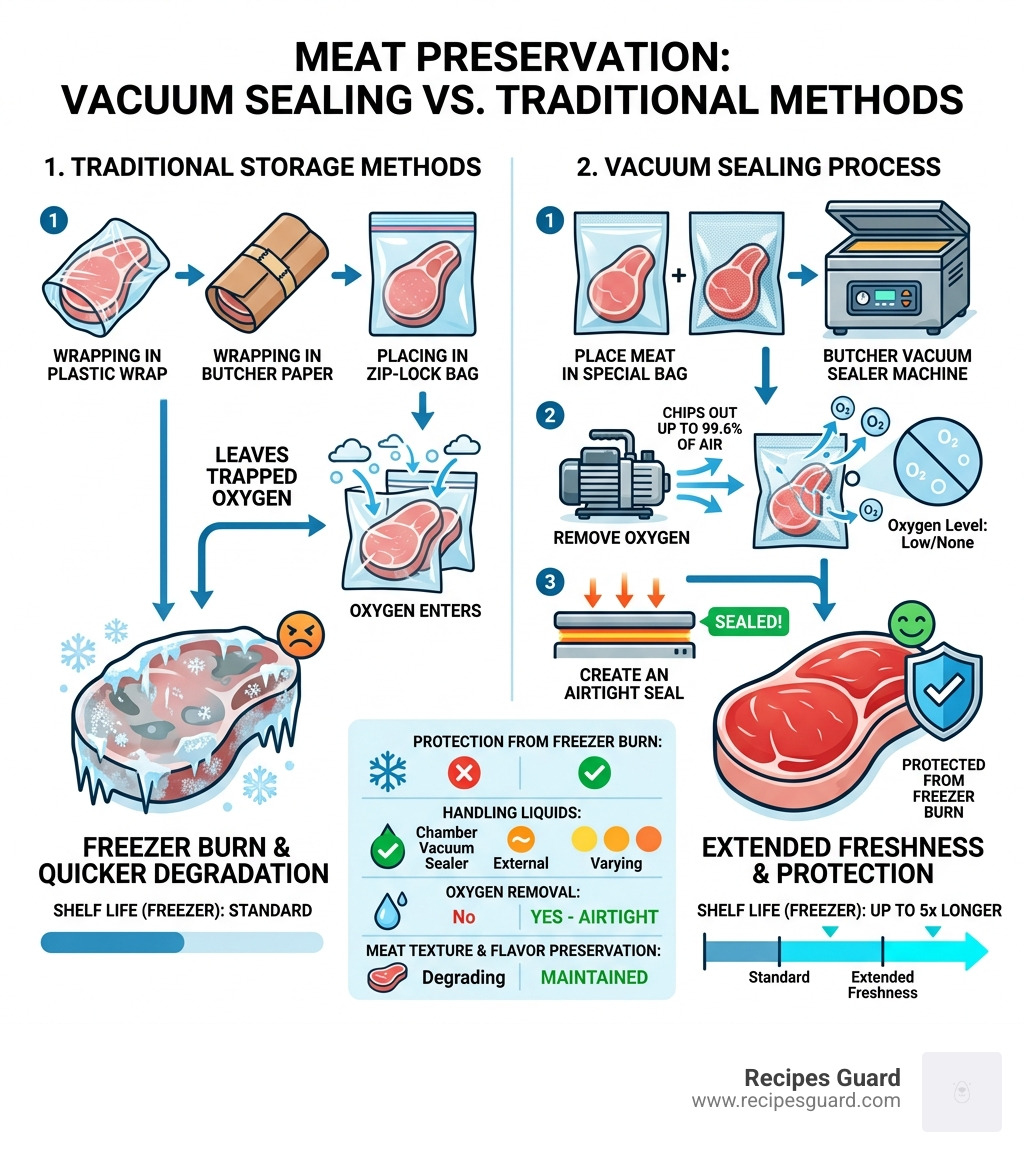
The difference is stark. Traditional wrapping methods let oxygen in. Oxygen is the enemy — it causes freezer burn, feeds bacteria, and breaks down the texture and flavor of meat over time.
Vacuum sealers remove that oxygen before sealing. Chamber models can pull up to 99.6% of air out of the bag. That’s a level of protection no zip-lock or butcher paper can match.
Whether you’re processing wild game after a hunt, portioning bulk meat from a wholesale buy, or preserving a fermentation-ready cut for weeks at a time — the right vacuum sealer changes everything about how long your food stays usable.
Two main types exist: chamber sealers and external sealers. They work differently, cost differently, and suit different needs. We’ll break down exactly how to choose between them below.
Why Every Meat Processor Needs a Butcher Vacuum Sealer
If you have ever pulled a beautiful ribeye out of the freezer only to find it covered in grey, icy patches, you have experienced the heartbreak of freezer burn. For those of us serious about meat quality, a butcher vacuum sealer isn’t just a luxury; it is a fundamental piece of equipment. Whether you are a hunter processing an entire elk or a home cook who buys half a cow at a time, these machines ensure your hard-earned protein stays as fresh as the day it was cut.
In our experience at Recipes Guard, we have found that proper storage is the final, crucial step in the “field-to-table” journey. By removing the air from the equation, you are essentially hitting the “pause” button on food degradation. While standard kitchen sealers might work for the occasional bag of frozen peas, a commercial-grade or “butcher-grade” machine is designed for the high-volume, heavy-duty demands of meat processing.
Using a professional sealer allows you to master Preserving Basics, giving you the confidence that your meat will maintain its color, texture, and nutritional value for months—or even years—longer than traditional methods.

The Science of Air Removal
Why is air so dangerous for your meat? It comes down to three main factors: oxidation, dehydration, and microbial growth. When meat is exposed to oxygen, a chemical reaction called oxidation occurs, which turns fats rancid and changes the meat’s pigment. Furthermore, aerobic bacteria (the kind that need oxygen to survive) thrive in the small air pockets found in zip-lock bags or butcher paper.
By using a butcher vacuum sealer, you create an environment where these bacteria cannot grow. This is especially important when we discuss Safety First: A Guide to Preserving Fermented Foods, as controlling the environment is the key to preventing spoilage. Additionally, removing air stops enzymatic activity that would otherwise break down the muscle fibers, ensuring your steaks stay tender rather than turning mushy during long-term storage.
Chamber vs. External: Comparing Meat Preservation Methods
When you start shopping for a butcher vacuum sealer, you will quickly realize there are two distinct “families” of machines. Understanding the difference is vital because it affects everything from the price you pay to the types of food you can seal.
| Feature | External Vacuum Sealer | Chamber Vacuum Sealer |
|---|---|---|
| How it Works | Sucks air out of the bag directly | Evacuates air from the entire chamber |
| Liquid Handling | Poor (sucks liquid into the pump) | Excellent (liquids stay in the bag) |
| Bag Type | Textured/Embossed (more expensive) | Smooth/Flat (significantly cheaper) |
| Suction Power | 80% to 90% vacuum | Up to 99.6% vacuum |
| Typical Price | $109.95 – $349.99 | $599.99 – $39,500.00 |
| Best For | Dry meats, casual home use | Liquids, high-volume, professional butchery |
External Sealers: These are the sleek machines you likely see in most home kitchens. You place the edge of a textured bag into the machine, and it “sucks” the air out. While they are affordable and portable (some models weigh as little as 6-7 lbs), they struggle with moisture. If you try to seal a marinated steak, the machine often sucks the marinade right into the sealing bar, causing the seal to fail.
Chamber Sealers: These are the heavyweights. You place the entire bag inside a chamber. The machine removes the air from the entire space, equalizing the pressure. Because the pressure is the same inside and outside the bag, liquids stay put. You can literally vacuum seal a bag of pure soup without a single drop escaping. These units are heavy—often weighing between 60 and 185 pounds—but they are the gold standard for serious meat processors.
Choosing Your Butcher Vacuum Sealer
How do you decide? It usually comes down to two things: volume and variety.
If you are a hunter who processes one or two deer a year and mostly seals dry cuts, a high-end external sealer like the Weston Pro 2300 (which features a massive 16-inch sealing bar) might be all you need. However, if you are a “Meat-i-vore” who processes hundreds of pounds of meat, makes your own sausages, or loves to marinate meats before freezing, a chamber sealer is a better investment.
One “hidden” benefit of chamber sealers is the cost of bags. Chamber pouches typically cost about $0.08 each, while external textured bags can cost $0.35 or more. If you seal 500 bags a year, the chamber sealer eventually pays for itself in bag savings alone!
Key Features for Professional-Grade Sealing
Not all sealers are created equal. When we look at professional-grade equipment, we look for “overbuilt” specs that can handle a “torture test” of continuous use.
- Sealing Bar Length: Most standard sealers offer a 10 to 12-inch bar. For butchering, you want more. Models like the VacMaster VP320 or the Weston Pro 2300 offer 16-inch bars, allowing you to seal large briskets, full racks of ribs, or multiple small bags at once.
- Wattage and Power: A basic sealer might run on low wattage, but a professional unit like the Weston Pro 2300 packs 935 watts. This ensures the pump is strong enough to pull a deep vacuum and the heating element is hot enough to melt through thick, 5-mil bags.
- Adjustable Settings: Look for a machine that lets you control the “vacuum time” and “seal time.” This is crucial for delicate foods or when you are trying to How to Save Your Salty Snacks without crushing them.
- Dual Pumps: Some high-end external models, like those from VEVOR, use dual pumps to reach a higher vacuum pressure (up to 90Kpa) faster, which is a lifesaver when you have a mountain of meat on the counter.
Handling Liquids and Marinades
This is where the butcher vacuum sealer truly earns its keep. If you have ever tried to Quick and Easy Pickled Vegetables for Every Meal, you know that liquids are a nightmare for suction-based machines.
Chamber technology allows for 99.6% vacuum levels because it doesn’t rely on “pulling” air out of a small opening. Instead, it creates a vacuum environment. This makes it perfect for:
- Infusing Marinades: The vacuum pressure actually opens the pores of the meat, pulling the marinade deep into the fibers in minutes rather than hours.
- Sealing Soups and Stews: Perfect for those who meal-prep bone broths or stews.
- Moisture Modes: Many modern external sealers now include a “Moist” or “Pulse” setting. This allows you to manually control the suction, stopping it just before the liquid reaches the seal bar. It’s not as foolproof as a chamber, but it’s a great middle-ground feature for home users.
Maintenance and Essential Accessories
To keep your butcher vacuum sealer running for years (or decades), you need to treat it like the professional tool it is.
Bags and Rolls: You will need a steady supply of bags. These are typically sold in packs of 100 or 250, with prices ranging from $16.99 to nearly $80 for large, heavy-duty sizes. Rolls are great for external sealers because they allow you to customize the length for odd-sized items like a long summer sausage.
Pump Types:
- Dry Pumps (Oil-less): These are common in external sealers and smaller chamber units. They are “maintenance-free,” which is great for casual users, but they can overheat if used for 50 bags in a row without a break.
- Oil Rotary Pumps: Found in commercial units like the VacMaster VP215 or VP320. These are designed for 24/7 operation. They are quieter and more powerful but require occasional oil changes.
Long-Term Care for Your Equipment
If you opt for a professional chamber sealer, you will need to perform some basic “oil changes.” Most manufacturers recommend using #46 or #68 grade vacuum pump oil. Keeping the oil clean prevents the pump from seizing and ensures you always get that 99.6% vacuum.
Other maintenance tasks include:
- Gasket Replacement: The foam or rubber gaskets that create the airtight seal will eventually compress or crack. Most brands offer replacement kits for a few dollars.
- Heating Wires and Tape: The “seal” is created by a hot wire covered in Teflon tape. If your bags aren’t sealing properly or the tape looks charred, it is time to swap them out. Many professional units come with a maintenance kit that includes extra wires and tape.
Frequently Asked Questions about Butcher Vacuum Sealers
Can I seal liquids like soups or marinades?
Yes, but the type of sealer matters. A chamber vacuum sealer is designed specifically to handle liquids with zero mess. An external “suction” sealer can only handle liquids if you use a “Pulse” mode to stop the air removal manually, or if you freeze the liquid into a solid block before sealing.
What is the typical price range for a butcher-grade sealer?
For a high-quality external sealer that can handle large meat cuts, expect to pay between $200 and $350. For a chamber vacuum sealer, entry-level models start around $600, while commercial-grade units for butcher shops can range from $1,200 to over $3,000. Industrial double-chamber machines can cost upwards of $39,000.
How much longer does vacuum sealing extend meat shelf life?
In the freezer, vacuum-sealed meat can last 2 to 3 years without losing quality, compared to the 6 to 12 months typical of butcher paper or zip-lock bags. In the refrigerator, vacuum-sealed meats can stay fresh up to 5 times longer than standard packaging because the lack of oxygen slows down spoilage significantly.
Conclusion
Investing in a butcher vacuum sealer is an investment in the quality of your food and the efficiency of your kitchen. Whether you choose the portability of an external unit or the raw power and liquid-handling capabilities of a chamber machine, you are taking a massive step toward professional-level food preservation.
At Recipes Guard, we believe that the best meals start with the best ingredients—and keeping those ingredients in peak condition is half the battle. From mastering fermentation to ensuring your wild game tastes as fresh in December as it did in September, the right tools make all the difference.
Explore more about Preserving Basics to continue your journey into high-quality food storage and preparation. Happy sealing!