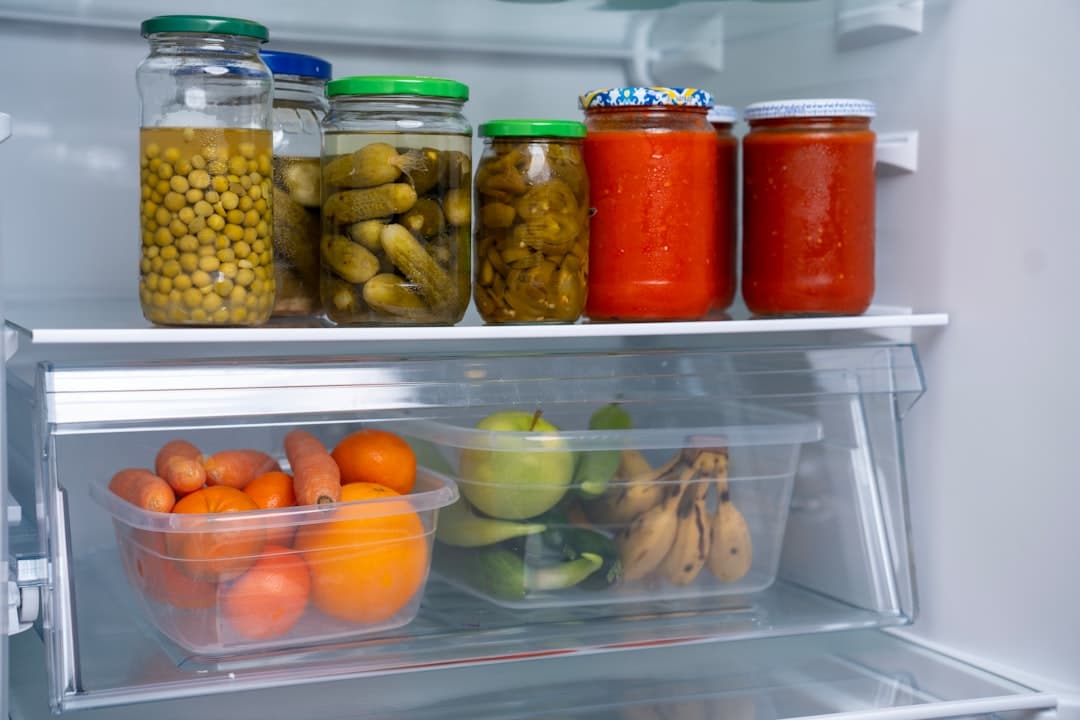
How to Keep Your Leftovers Delicious and Safe for Days
Why Knowing How to Preserve Leftover Food Can Save You Money — and Keep You Safe
Knowing how to preserve leftover food correctly is one of the most practical kitchen skills you can have. Done right, it cuts food waste, saves money, and keeps your family safe from foodborne illness.
Quick answer — here’s how to preserve leftover food safely:
- Refrigerate or freeze within 2 hours of cooking (1 hour if it’s hotter than 90°F outside)
- Divide large portions into shallow containers so food cools faster
- Use airtight containers to lock out bacteria, odors, and moisture
- Label everything with the food name and date
- Eat refrigerated leftovers within 3-4 days, or freeze for up to 3-4 months
- Reheat to 165°F internal temperature before eating
Those six steps cover the essentials. But the why behind each one matters just as much as the steps themselves.
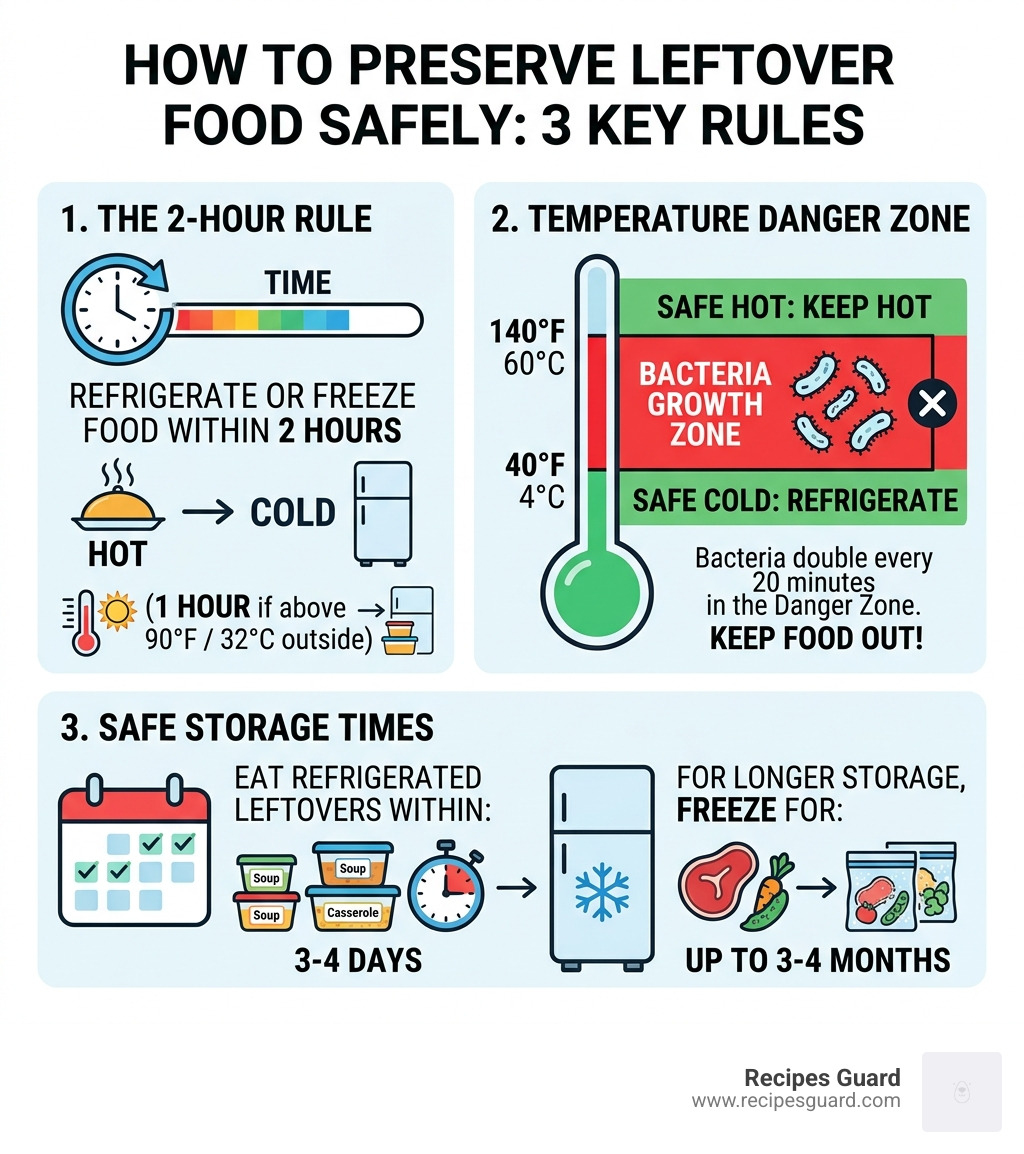
Bacteria thrive between 40°F and 140°F — what food safety experts call the Temperature Danger Zone. In that range, harmful bacteria can double every 20 minutes. You can’t see them, smell them, or taste them. That’s what makes improperly stored leftovers so risky.
The good news? Safe leftover storage isn’t complicated. It just takes a few consistent habits.
The Science of How to Preserve Leftover Food Safely
To truly master how to preserve leftover food, we have to understand the invisible world of microbiology. As of April 2026, food safety standards remain clear: the biggest threat to your Sunday roast isn’t just a dry texture—it’s bacterial growth.
The Temperature Danger Zone
The “Temperature Danger Zone” is the range between 40°F and 140°F (or 41°F to 135°F for certain professional standards). In this window, pathogens like Salmonella and E. coli find their “Goldilocks” conditions. They aren’t just surviving; they are thriving. Research shows that bacteria can double in number every 20 minutes when food sits in this range.
The 2-Hour Window
We always follow the “2-hour rule.” This means perishables should never be left out at room temperature for more than two hours. If you are enjoying a backyard BBQ in the heat of July and the temperature is above 90°F, that window shrinks to just one hour.
Understanding TCS Foods
Some foods are higher risk than others. These are known as TCS foods (Time/Temperature Control for Safety). This category includes:
- Meat, poultry, and seafood
- Cooked vegetables (like potatoes and rice)
- Cut leafy greens and melons
- Eggs and dairy-based sauces
- Creamy desserts
For these items, the clock starts the moment they leave the heat source. For more detailed insights on the science of safety, check out this guide on Leftover Safety.
Rapid Cooling Techniques for Large Batches
One of the biggest mistakes people make when learning how to preserve leftover food is putting a massive, steaming pot of chili directly into the fridge. While it seems efficient, a large volume of hot food can actually raise the internal temperature of your refrigerator, putting everything else at risk. Furthermore, the center of that deep pot may stay in the Danger Zone for hours.
To cool food quickly and safely, we recommend these methods:
- Shallow Containers: Divide stews, gravies, and soups into several shallow containers (no more than 2-3 inches deep). This increases the surface area, allowing heat to dissipate rapidly.
- Ice Baths: For rapid cooling of liquids, place the pot or container into a sink filled with ice water. Stir the food frequently to help the heat escape.
- Slicing Roasts: Don’t store a whole turkey or roast intact. Carve it into smaller pieces or slices. This ensures the meat reaches a safe refrigerated temperature much faster.
- Stirring: If you’re cooling a thick sauce, stirring it every few minutes helps move the hot core to the edges where it can cool.
By mastering these Preserving basics, you ensure your food spends the least amount of time possible in the bacterial “strike zone.”
How to preserve leftover food using airtight containers
The container you choose is the first line of defense against spoilage. Oxygen is the enemy of freshness; it promotes oxidation (which turns avocados brown and meat grey) and allows aerobic bacteria to grow.
- Glass vs. Plastic: Glass is often preferred because it doesn’t leach chemicals, doesn’t retain odors, and can go from fridge to oven (if tempered). However, high-quality, BPA-free plastic is excellent for freezing as it is less likely to crack.
- Moisture Retention: A tight seal prevents the fridge from “drinking” the moisture out of your food. No one likes crunchy leftover pasta!
- Odor Protection: Ever had cheesecake that tasted like the leftover onions stored next to it? Airtight seals prevent cross-aroma contamination.
For more on choosing the right gear, see these 7 Storage Tips.
Fridge and Freezer Guidelines for Maximum Quality
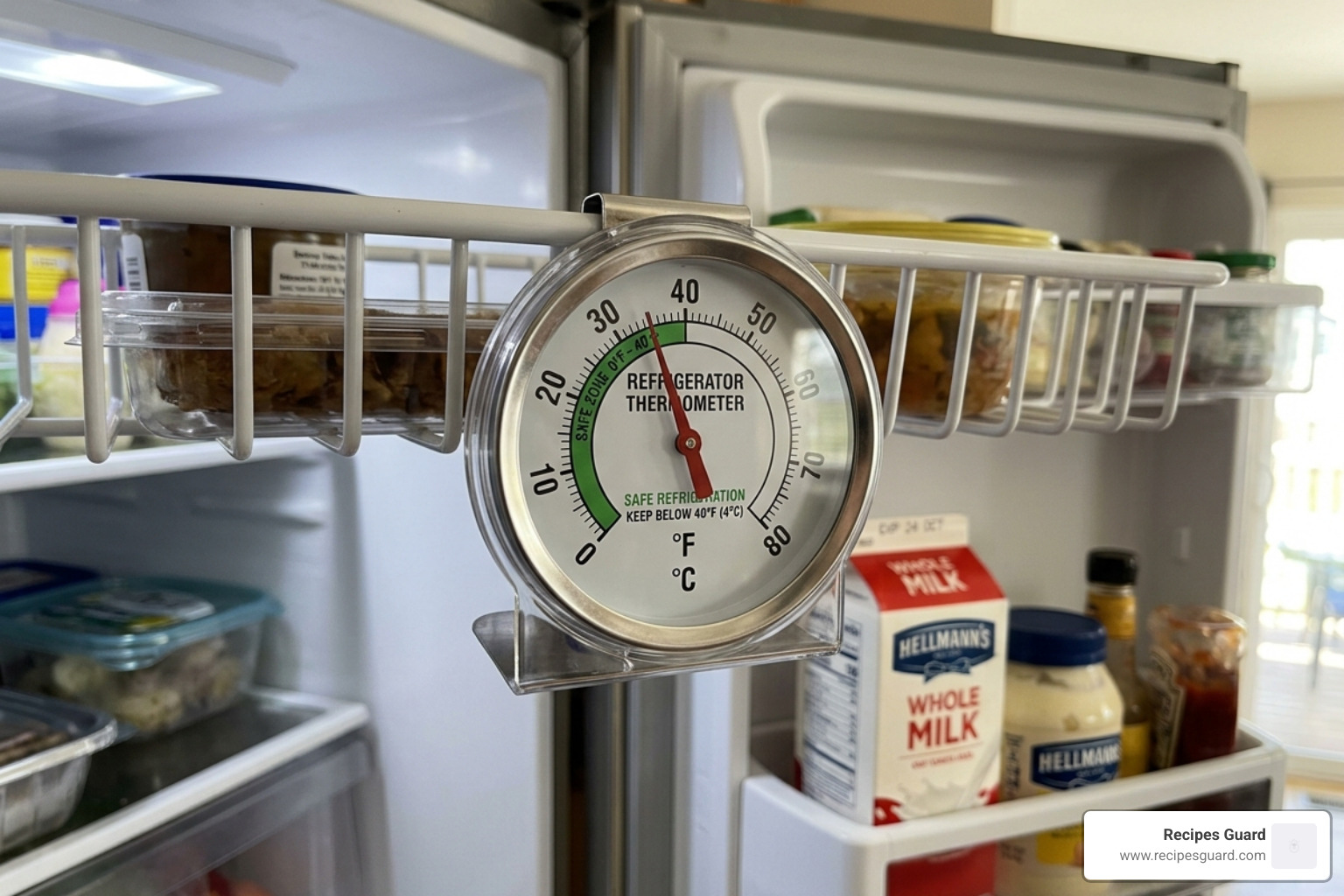
Storing food is a race against time. While refrigeration slows down bacterial growth, it doesn’t stop it entirely. Freezing, on the other hand, puts bacteria into a state of suspended animation, though it does eventually affect the food’s texture.
| Food Type | Refrigerator (40°F or below) | Freezer (0°F or below) |
|---|---|---|
| Cooked Meat/Poultry | 3–4 Days | 2–6 Months |
| Cooked Fish | 3–4 Days | 1–3 Months |
| Soups & Stews | 3–4 Days | 2–3 Months |
| Pizza | 3–4 Days | 1–2 Months |
| Cooked Grains/Pasta | 3–4 Days | 1–2 Months |
The 3-4 Day Rule
The USDA and health experts generally agree: most refrigerated leftovers are safe to eat for three to four days. After that, the risk of food poisoning increases. Even if the food looks fine, pathogenic bacteria (the ones that make you sick) are different from spoilage bacteria (the ones that make food smell bad). You can’t always trust your nose!
Preventing freezer burn when you preserve leftover food
Freezer burn happens when air reaches the surface of the food and dries it out. While freezer-burned food is technically safe to eat, it tastes like cardboard and has a grainy, unpleasant texture.
To prevent this:
- Double Wrapping: Wrap meat or bread tightly in plastic wrap or wax paper, then add a layer of heavy-duty aluminum foil.
- Vacuum Sealing: This is the gold standard. Removing all air ensures the food stays fresh for much longer.
- Minimize Air Pockets: If using freezer bags, squeeze out every last bit of air before zipping them shut.
- Texture Preservation: Some things don’t freeze well, like lettuce, cream sauces, or high-fat items which can separate. If you’re looking to save dry goods, check out our guide on How to save your salty snacks.
Proper Labeling and Organization Systems
The “Mystery Container” at the back of the fridge is where leftovers go to die. We’ve all been there—staring at a tupperware of greyish substance, wondering if it’s three days old or three weeks old.
- The Tape Method: Keep a roll of masking tape and a permanent marker in your kitchen drawer.
- Date Tracking: Always write the date the food was cooked, not the date you put it in the fridge.
- Contents Identification: “Chicken Curry” is more helpful than just “Leftovers.”
- First-In, First-Out (FIFO): Move older items to the front of the shelf so they get eaten first. This simple rotation system significantly reduces food waste.
Safe Thawing and Reheating Protocols
Reheating is the final hurdle in the journey of how to preserve leftover food. It’s not just about making the food warm; it’s about making it safe.
The 165°F Target
When reheating leftovers, they must reach an internal temperature of 165°F as measured by a food thermometer. This is the temperature required to kill any bacteria that may have developed during storage or cooling.
- Soups and Sauces: Bring these to a rolling boil.
- Microwaving: Cover the dish to retain moisture and ensure even heating. Stir the food halfway through to eliminate “cold spots” where bacteria might survive.
- Oven Reheating: Use a temperature no lower than 325°F. Never use a slow cooker to reheat leftovers, as it takes too long to get the food out of the Danger Zone.
Safe Thawing Methods
Never thaw leftovers on the kitchen counter. There are three safe ways to do it:
- Refrigerator Thawing: The safest method. It requires planning, as large items may take 24–48 hours.
- Cold Water Thawing: Place food in a leak-proof plastic bag and submerge in cold tap water. Change the water every 30 minutes.
- Microwave Thawing: Use the defrost setting, but you must cook or reheat the food immediately after thawing.
For more details on these protocols, refer to the FSIS guide on leftovers.
Avoiding Cross-Contamination in Storage
Cross-contamination isn’t just for raw chicken on cutting boards; it can happen inside your fridge too.
- Shelf Hierarchy: Always store leftovers on the top or middle shelves. Raw meats, poultry, and fish should always be on the bottom shelf. This prevents any raw juices from dripping onto your ready-to-eat leftovers.
- Drip Prevention: Even on the bottom shelf, keep raw meats in a secondary container or tray.
- Clean Containers: Ensure the outside of your leftover containers is clean before placing them in the fridge.
At Recipes Guard, we believe safety is the foundation of great cooking. If you’re interested in advanced preservation, see our Safety first: a guide to preserving fermented foods.
Identifying Spoilage and When to Discard
Sometimes, despite our best efforts, food goes bad. Knowing when to call it quits is vital for your health.
Common signs of spoilage include:
- Mold: If you see fuzzy green, white, or black spots, the food is compromised. Do not just cut the moldy part off—mold roots can penetrate deep into soft foods.
- Off-Odors: A sour, putrid, or “funky” smell is a clear warning sign.
- Slimy Texture: This is common in meats and cooked vegetables. If it feels slippery or sticky, toss it.
- Color Changes: While some fading is normal, dramatic shifts (like meat turning green or grey) indicate bacterial activity.
The Golden Rule: “When in doubt, throw it out.” It is never worth the risk of a week of food poisoning just to save a few dollars’ worth of pasta.
Frequently Asked Questions about Leftover Preservation
How quickly should leftovers be refrigerated?
Leftovers should be moved to the refrigerator or freezer within two hours of being cooked or served. If the ambient temperature is above 90°F (like at a summer picnic), you only have one hour. This prevents the food from sitting too long in the “Danger Zone” where bacteria multiply rapidly.
Can you safely refreeze leftovers that were already thawed?
Yes, but there are conditions. If you thawed the leftovers in the refrigerator, you can safely refreeze the unused portion without reheating it. However, if you thawed the food in cold water or the microwave, you must reheat it to 165°F before you can safely freeze it again. That each time you freeze and thaw, the quality and texture of the food will degrade.
What are the signs that leftovers have gone bad?
The most reliable indicators are a sour or “off” smell, the presence of mold, a slimy or sticky texture, or significant discoloration. However, many dangerous bacteria do not change the look, smell, or taste of food. This is why following the 3-4 day rule for refrigerated items is so important.
Conclusion
Mastering how to preserve leftover food is a journey toward a more sustainable and safe kitchen. By respecting the Temperature Danger Zone, using the right containers, and following strict reheating protocols, you can transform yesterday’s dinner into a safe, delicious lunch for tomorrow.
At Recipes Guard, we are passionate about the art of keeping food fresh. Whether you are curious about Mastering the art of lacto-fermented hot sauce or you want to try our easy fermented garlic recipe, we have the resources to help you succeed.
For those looking to dive deeper into long-term storage, from pickled vegetables to advanced techniques, explore our full library of Mastering the art of food preservation. Happy (and safe) eating!