
How to File Claims Without Losing Your Mind
Why Every Working Holiday Maker Needs an Australia Backpacker Claim Filing Guide
The australia backpacker claim filing guide covers everything you need to know to claim your tax refund, superannuation, and other payments after working in Australia on a 417 or 462 visa.
Quick answer — here’s how to file your backpacker claim in Australia:
- Check eligibility — You must hold a subclass 417 or 462 visa and have earned income in Australia
- Get your TFN — Apply for a Tax File Number before or shortly after starting work
- Gather documents — Collect your passport, income statements, PAYG summaries, and bank details
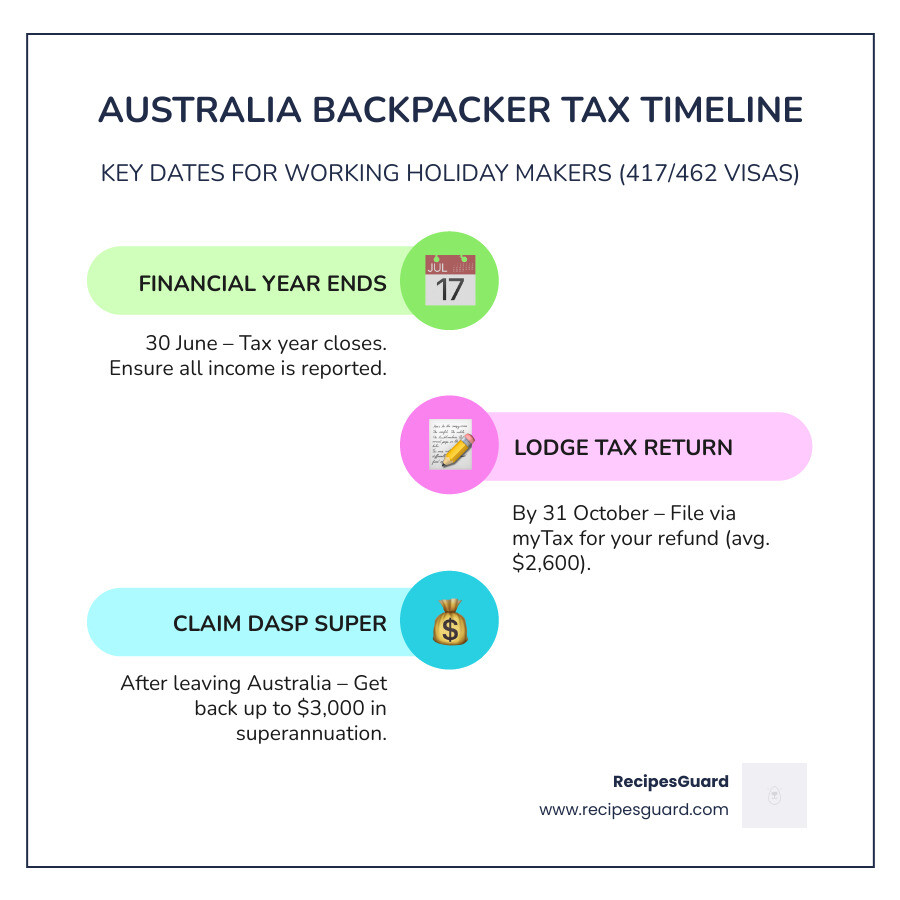
- Lodge your tax return — File online via myTax (through myGov) or use a registered tax agent by 31 October after the financial year ends on 30 June
- Claim your super — Apply for the Departing Australia Superannuation Payment (DASP) after you leave Australia
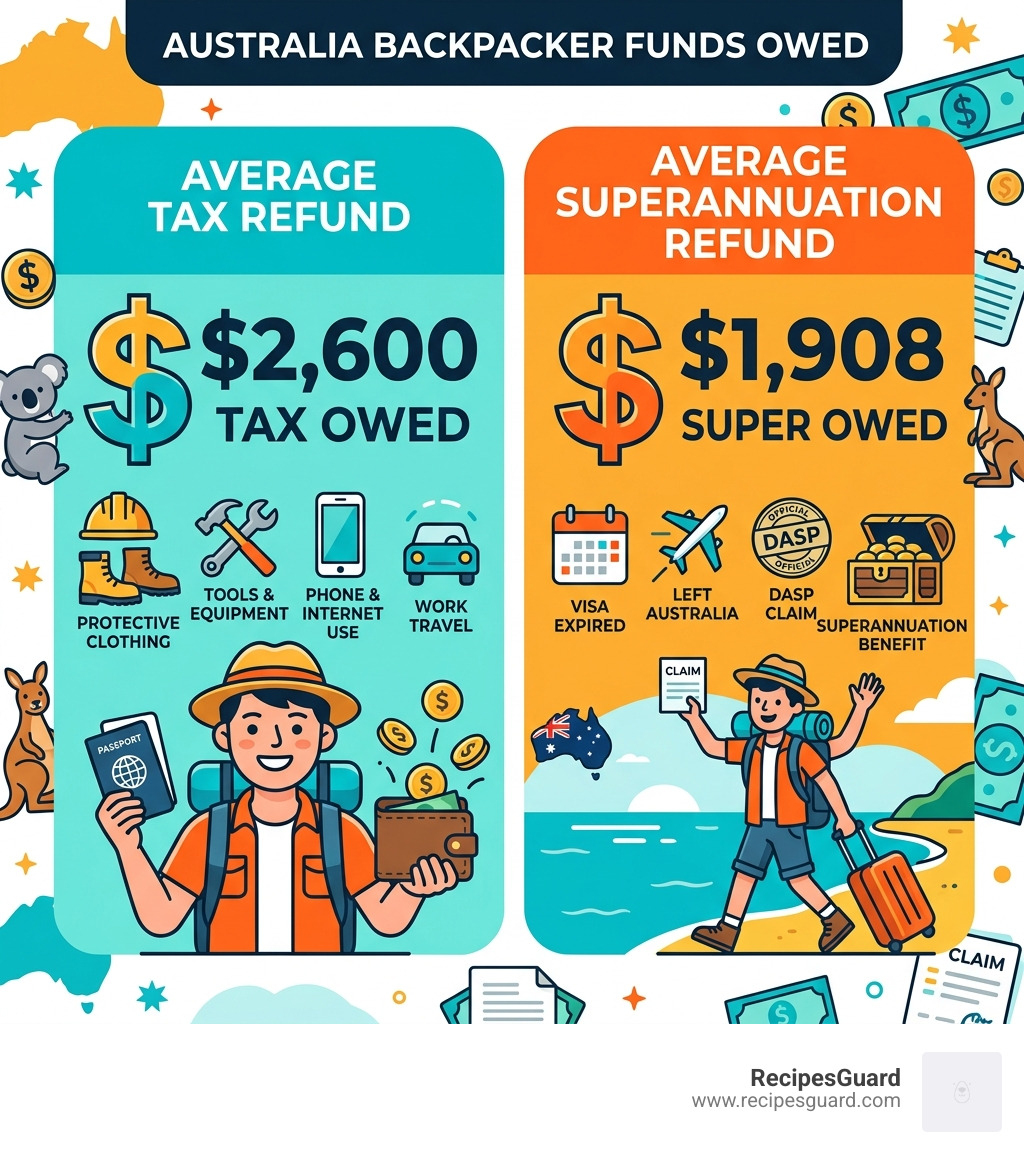
Here’s the thing most backpackers don’t know: the average working holiday maker is owed around $2,600 in tax refunds — plus up to $3,000 more in superannuation. That’s serious money sitting unclaimed.
Yet many backpackers miss out entirely. They lose receipts, use the wrong filing method, or simply don’t know the deadline exists. If you’ve worked even a few months on a working holiday visa, there’s a very good chance the Australian Taxation Office (ATO) owes you money.
This guide breaks the whole process down into plain, simple steps — whether you’re still in Australia or already back home.
Understanding Your Eligibility: Who Can File a Claim?
Before you start dreaming about how you’ll spend that extra $2,600, we need to make sure you actually qualify. In the eyes of the Australian Taxation Office (ATO), a Working Holiday Maker (WHM) is someone holding either a Subclass 417 (Working Holiday) or Subclass 462 (Work and Holiday) visa.
If you’ve been fruit picking in Mildura, pouring pints in Melbourne, or working on a cattle station in the Outback, you are likely eligible to file a claim. However, your tax residency status is the “secret sauce” that determines how much you pay.
Most backpackers are classified as “foreign residents” for tax purposes. This doesn’t mean you aren’t a resident of that cozy van you’re living in; it just means the ATO views your stay as temporary. For most of us, this means we don’t get the “tax-free threshold” that locals get. Instead, we pay a flat rate from the very first dollar earned.
There is a small exception for backpackers from “NDA countries” (countries with a Non-Discrimination Article in their tax treaty with Australia, such as the UK, Germany, or Japan). If you are from one of these countries and stay in one place long enough to be considered an Australian resident for tax purposes, you might be taxed at the same rates as locals.
Not sure about your visa status? You can use the VEVO visa check system to verify your details. When you start a job, you’ll fill out a TFN declaration. We always recommend telling your employer exactly which visa you are on so they withhold the correct amount of tax from the start.

The Australia Backpacker Claim Filing Guide for Tax Refunds
Now, let’s get into the nitty-gritty of the australia backpacker claim filing guide. As of April 2026, the tax rules for backpackers are relatively straightforward, but they require you to be organized.
The current tax rate for WHMs is 15% on the first $45,000 of your earnings. If you’re lucky enough (and hardworking enough) to earn more than $45,001, the rate jumps to 30% for every dollar above that mark.
The Australian financial year runs from 1 July to 30 June. This is different from many other countries, so mark it in your calendar! The deadline to lodge your tax return is 31 October. If you miss this, you might face some grumpy letters from the ATO and potential fines.
Most employers use a system called PAYG (Pay As You Go) withholding. This means they take a chunk of your pay every week and send it to the government on your behalf. If they took too much—which happens often if you worked for multiple employers or if they didn’t have your WHM status recorded correctly—you get that money back as a refund.
To see how much has been withheld, you’ll need to access your “Income Statement” (formerly known as a PAYG summary). Most employers now upload these directly to the ATO, and you can see them by linking your myGov account to the ATO.
Essential Documents for Your Australia Backpacker Claim Filing Guide
Don’t wait until October 30th to start looking for your paperwork. We suggest keeping a digital folder on your phone or in the cloud. You will need:
- Tax File Number (TFN): Your unique nine-digit number.
- Passport: For identification.
- Bank Details: Specifically, an Australian bank account (though some agents can help you if you’ve already closed yours).
- Income Statements: These should show up in your myGov portal once your employer marks them as “tax ready” (usually by mid-July).
- Digital Receipts: For any work-related expenses you plan to claim.
Avoiding Mistakes in Your Australia Backpacker Claim Filing Guide
We’ve seen it all—backpackers losing out on thousands because of simple errors. One of the biggest mistakes is using the wrong tax rate. If your employer accidentally taxes you as a “foreign resident” (starting at 30%) instead of a “Working Holiday Maker” (starting at 15%), you are definitely owed a refund, but you have to claim it to get it!
Another pitfall is using unregistered websites. Only use the official ATO myTax portal or a registered tax agent. Unregistered “refund calculators” can sometimes be scams or charge hidden fees that eat up your return. Lastly, don’t guess your residency status. If you claim to be a resident when you aren’t, the ATO might come knocking later to ask for that money back.
Maximizing Your Payout: Deductions and Superannuation
If you want to get the maximum amount back, you need to understand deductions. Deductions are expenses you paid for that were necessary for your job. Because you are taxed at 15% from dollar one, every dollar you claim in deductions essentially gives you 15 cents back in your pocket.
Common work-related deductions for backpackers include:
- Protective Clothing: Steel-cap boots for construction, high-vis vests for farm work, or non-slip shoes for hospitality.
- Tools and Equipment: Knives for meat workers, specialized tools for mechanics, or even a backpack if you’re a delivery rider.
- Phone and Internet: If you use your personal phone to check rosters or contact clients, you can claim a percentage of your bill.
- Travel Expenses: You can’t claim the commute from your hostel to work, but you can claim travel between two different job sites or travel to pick up supplies.
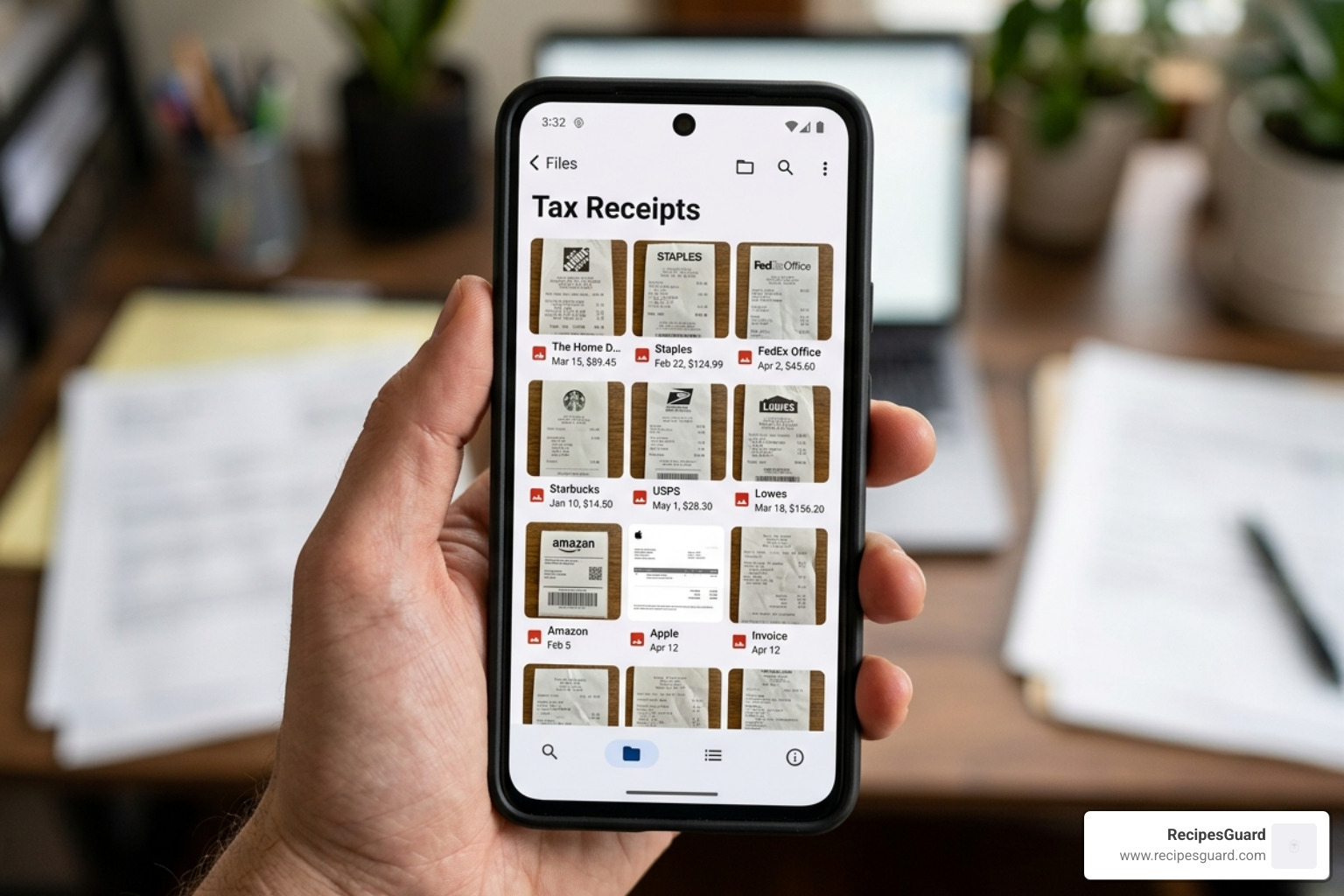
According to research, many WHMs receive higher refunds when they properly document these deductions. Keep photos of your receipts! Paper receipts fade in the heat of a backpacker van, but a digital photo lasts forever.
Claiming the Departing Australia Superannuation Payment (DASP)
Superannuation (or “super”) is Australia’s version of a retirement fund. Your employer is legally required to pay a percentage of your wages (currently around 11.5% in 2026) into a super fund for you.
The good news? You can take this money with you when you leave! This is called the Departing Australia Superannuation Payment (DASP). The “bad” news? The government taxes this at 65% for WHMs. While that sounds like a lot, this is money you didn’t even “see” in your paycheck.
- Average DASP Refund: $1,908.
- Total Benefit: Most backpackers receive between $1,000 and $3,000 back from their super.
To claim it, your visa must have expired or been cancelled, and you must have left Australia. You’ll need your super fund name and your member number, which you can usually find on your myGov account.
Filing Travel and Medical Insurance Claims in Australia
While tax is the most common claim, life on the road can be unpredictable. At RecipesGuard, we specialize in helping students and backpackers navigate insurance. If you’re injured in a transport accident in Victoria, for example, you can lodge a claim with the TAC (Transport Accident Commission).
There is usually a 12-month limit to lodge these claims. You will need:
- Medical Documentation: Discharge summaries or certificates from a doctor.
- Police Reports: If the accident involved a vehicle.
- Witness Details: Names and phone numbers of people who saw what happened.
You can also apply for compensation if a government department (like Home Affairs) makes an error that causes you financial loss.
| Claim Type | Average Payout | Deadline | Key Document |
|---|---|---|---|
| Tax Refund | $2,600 | 31 October | Income Statement |
| Super (DASP) | $1,908 | After Departure | Visa Cancellation |
| TAC (Accident) | Varies | 12 Months | Medical Report |
| TRS (Tourist Refund) | 10% (GST) | At Departure | Invoice > $300 |
Step-by-Step: How to Lodge Your Claim Online
Ready to file? Follow these steps to use the official myTax system. It’s free and usually results in a refund within 10 working days.
- Link your myGov to the ATO: You’ll need your TFN and some details from your bank or a previous pay slip to prove who you are.
- Check for “Tax Ready” status: Ensure your employers have finalized your income statements.
- Enter your deductions: This is where you add those boots and phone bills we talked about.
- Confirm your bank details: Make sure the money goes to an account you can actually access!
- Submit: Double-check everything and hit that button.
If you are leaving Australia permanently before 30 June, you don’t have to wait until the end of the year. You may be able to lodge your tax return early. This is a huge win for backpackers who want to clear their plate before heading to their next destination.
Frequently Asked Questions about Backpacker Claims
Can I lodge my tax return early if I leave Australia before June 30?
Yes! If you are leaving Australia permanently and will not be earning any more income in the country for that financial year, you can lodge a paper tax return early. This is a great way to get your refund faster if you’re heading home in March or April.
What happens if I don’t file a tax return before my visa expires?
Not filing won’t necessarily stop you from leaving, but it can cause major headaches if you ever want to come back. The ATO can issue fines for late lodgment. More importantly, you are essentially “donating” your hard-earned refund to the Australian government. Why leave $2,600 on the table?
How much money do backpackers usually get back from tax and super?
On average, a backpacker who works for a full year can expect roughly $2,600 from their tax return and about $1,900 from their superannuation (DASP). That’s a total of $4,500—enough to fund a very long recovery holiday in Bali or a flight back home!
Conclusion
Filing claims in a foreign country can feel like trying to solve a Rubik’s Cube while blindfolded, but it doesn’t have to be. By following this australia backpacker claim filing guide, you’re taking control of your finances and ensuring you get back every cent you’re entitled to.
At RecipesGuard, we are dedicated to providing student-focused, step-by-step tutorials to make the boring stuff—like insurance and tax—as painless as possible. We believe that your time in Australia should be spent enjoying the beaches and the bush, not stressing over paperwork.
Ready to secure your refund? Start your claim filing journey today and make sure you don’t leave your hard-earned cash behind. Safe travels, and may your refund be large and your processing time short!

My name is Bianca, and my journey into the world of fermentation and food safety began with a costly mistake. I once lost an entire season’s harvest of chili peppers because I relied on guesswork instead of science. That failure was my turning point.
