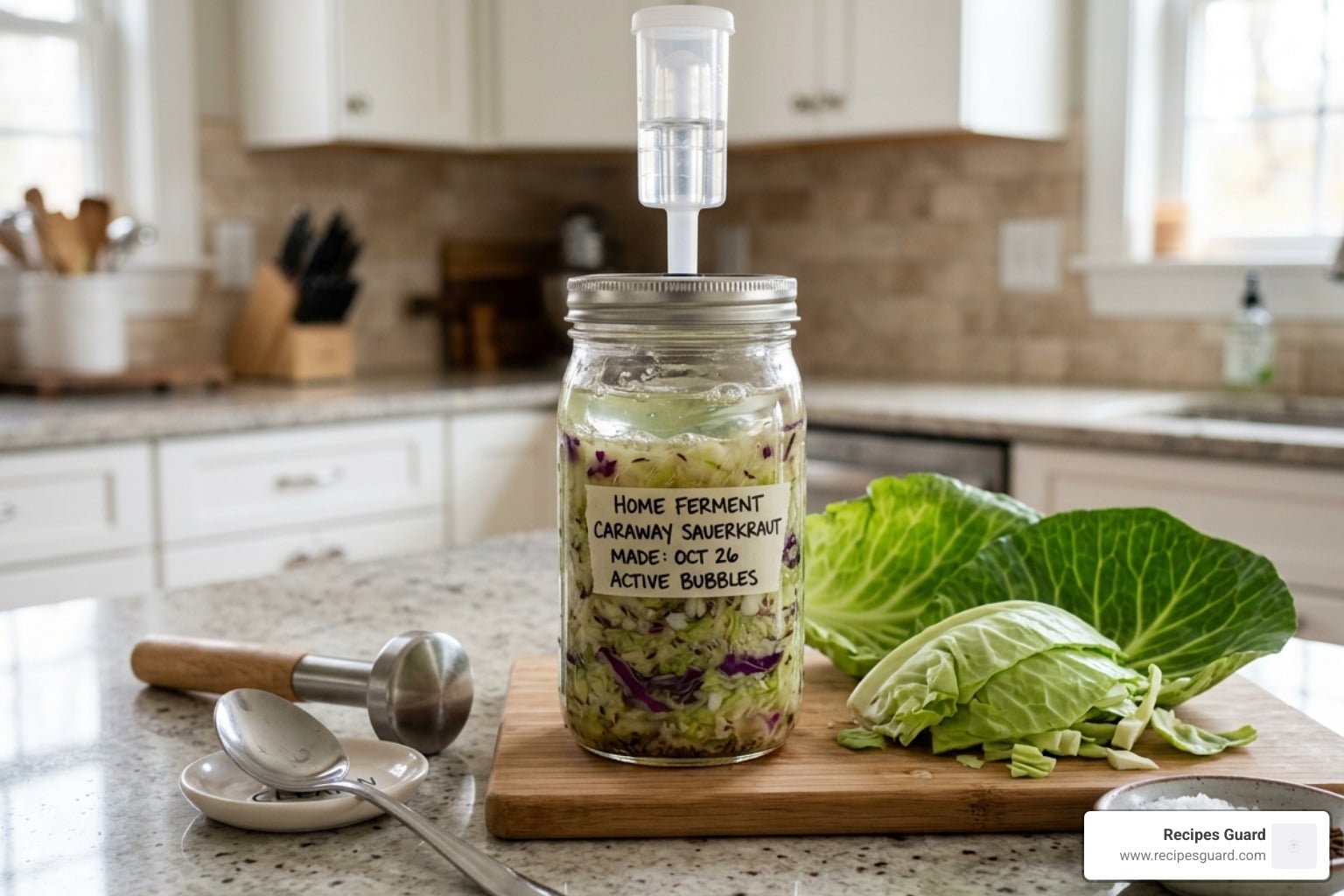
Fermented Food Safety and What You Need to Know
Why Food Safety Fermented Foods Matter More Than You Think
Food safety fermented foods is a topic that affects every home fermenter — from the beginner making their first jar of sauerkraut to the experienced hobbyist brewing kombucha on the kitchen counter.
Quick answer: Are fermented foods safe?
- Yes, when done correctly. Properly fermented vegetables have an excellent safety record — scientific literature has never recorded a case of food poisoning from raw vegetables that were fermented correctly.
- No, when key rules are broken. Errors in salt levels, temperature, pH, or sanitation can allow dangerous pathogens like Clostridium botulinum or Salmonella to survive or grow.
- The critical safety threshold is pH 4.6. Fermented foods must reach a pH below 4.6 to be considered safe from most harmful bacteria.
- Not all “fermented” products are actually fermented. Many store-bought pickles are simply acidified with vinegar — a very different process with different safety rules.
- Some people need extra caution. Immunocompromised individuals, people with histamine intolerance, or those with certain gut conditions should consult a healthcare provider before eating fermented foods.
Fermentation is one of humanity’s oldest food preservation methods — dating back roughly 9,000 to 12,000 years. And it’s having a serious comeback: sales of fermented products jumped 149% in 2018 alone. But with that popularity surge comes a flood of misinformation about what fermentation actually is, how safe it is, and who it’s safe for.
This guide cuts through the noise. You’ll get clear, science-backed answers on risks, best practices, myths, and how to ferment food safely at home.
The Science of Fermentation and Food Preservation
At its core, fermentation is a biochemical reaction where microorganisms—like bacteria or yeast—extract energy from sugars in an anaerobic (oxygen-free) environment. This process has been a cornerstone of human survival for over 11,000 years, likely originating when our ancestors noticed that “spoiled” milk or fruit in clay jars actually tasted good and didn’t make them sick.
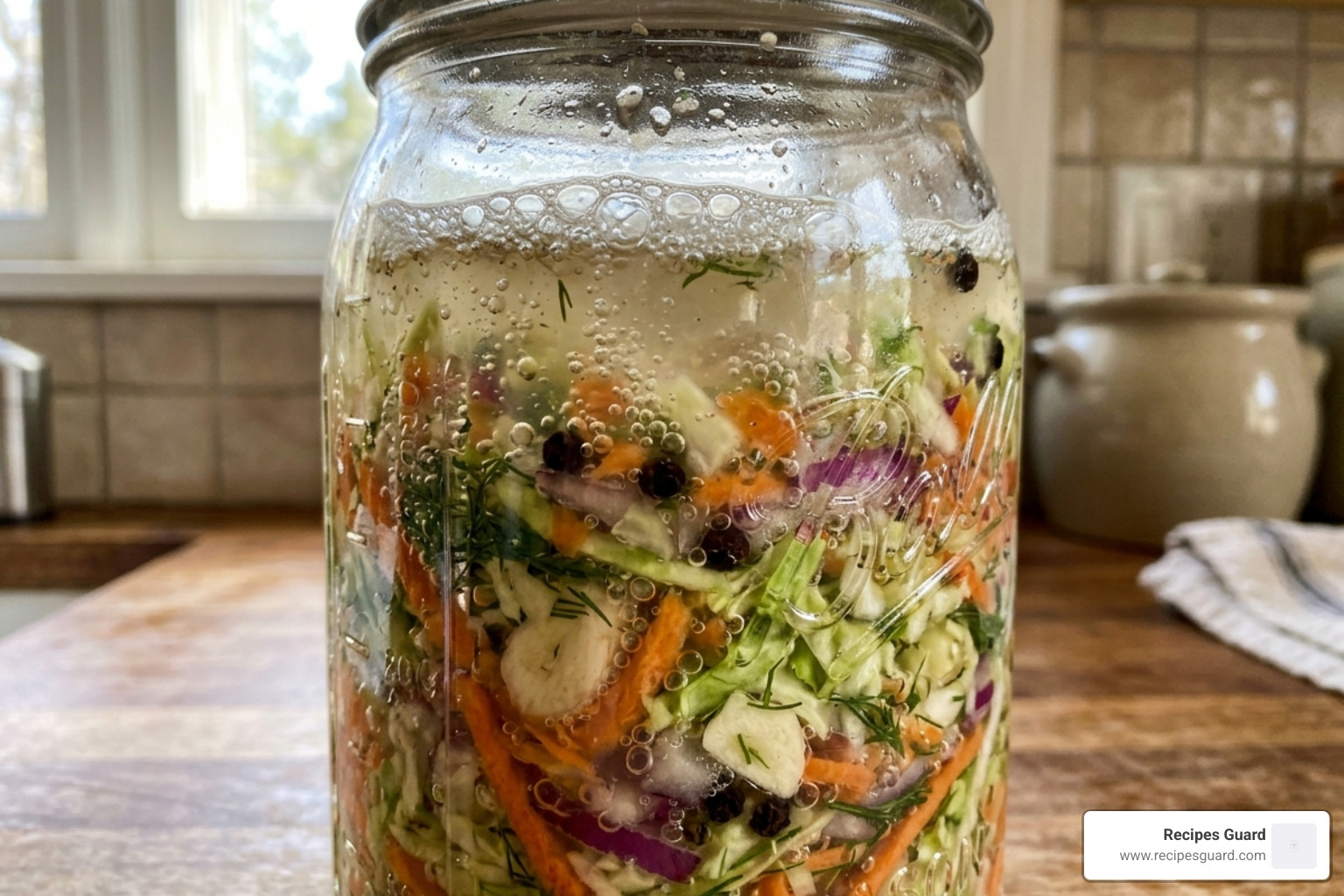
In vegetable fermentation, the stars of the show are Lactic Acid Bacteria (LAB). When we submerge vegetables in a salty brine, we create a “walled garden” where only the good guys can grow. These LAB consume the natural sugars in the vegetables and produce organic acids, primarily lactic acid. This acid is what gives sauerkraut its tang and, more importantly, what makes the environment too hostile for most pathogens to survive.
Distinguishing Truly Fermented from Acidified Foods
One of the biggest points of confusion in food safety fermented foods is the difference between fermenting and pickling. While they overlap, they aren’t the same thing.
- Truly Fermented Foods: These rely on live cultures to create their own acid over time. They usually require refrigeration to keep the microbes stable and rarely list vinegar as a primary ingredient.
- Acidified (Vinegar-based) Foods: These are “fresh-pack” pickles where vinegar (usually at 5% acidity) is added to preserve the food instantly. While safe and delicious, they don’t offer the same microbial profile as a live ferment.
If you are looking to master the basics of how these processes differ, check out our guide on Preserving Basics. Knowing the difference is vital for safety; you cannot treat a vinegar pickle recipe and a wild fermentation recipe the same way when it comes to storage and shelf life.
The Critical Role of pH in Food Safety Fermented Foods
In food safety, pH is our most important metric. The FDA and various Fermented Foods Guidance documents highlight 4.6 as the magic number.
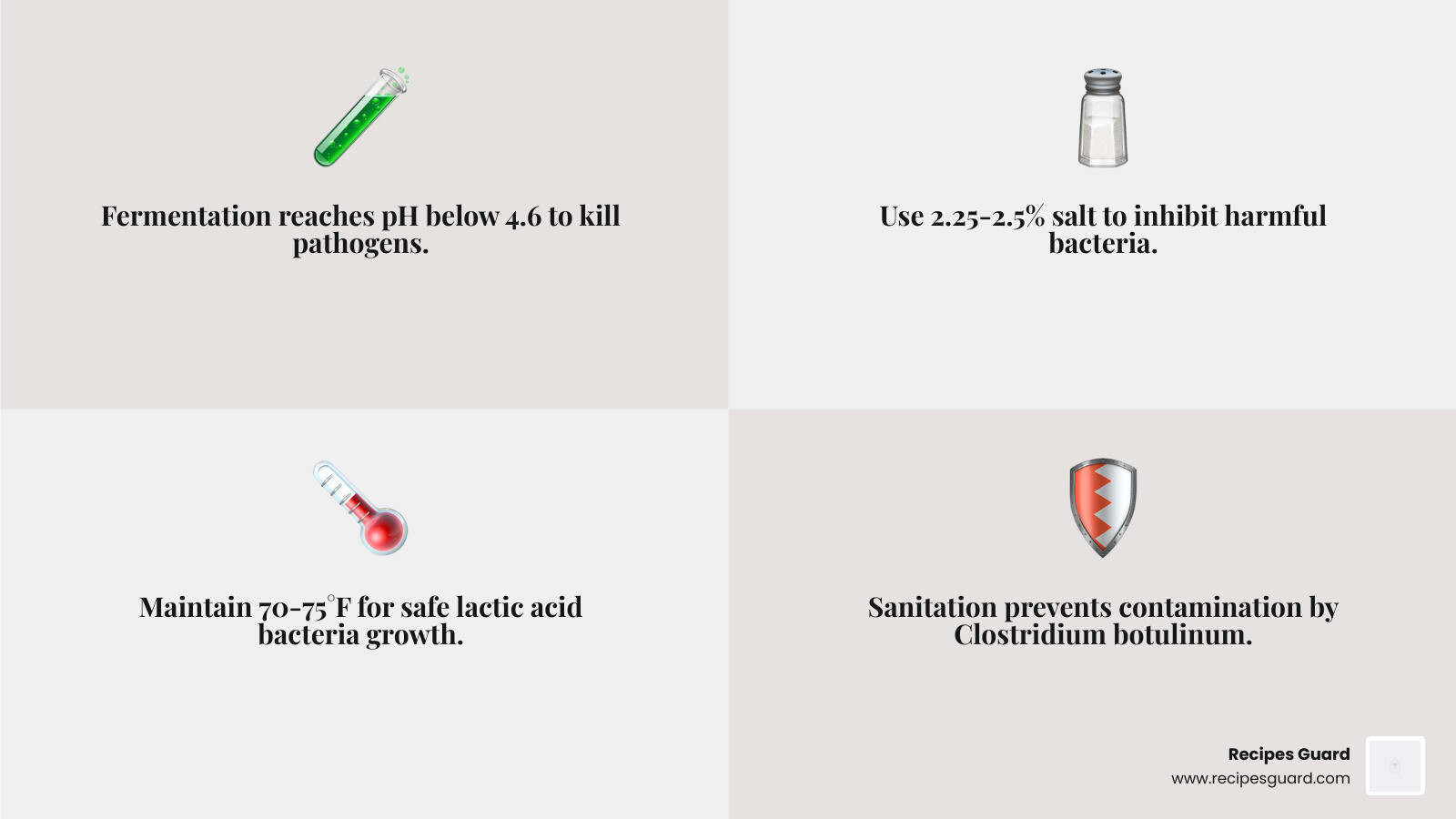
When the pH of a ferment drops below 4.6, it becomes an “acidified” environment that inhibits the growth of Clostridium botulinum—the bacteria responsible for botulism. Ideally, for a robust safety margin, we want to see a 1.5-unit drop in pH within the first 12 to 24 hours of fermentation. This rapid acidification ensures a “5-log reduction” in pathogens like E. coli, effectively killing 99.999% of the bad bacteria that might have been hitching a ride on your cabbage.
Understanding Food Safety Fermented Foods Risks
While fermented vegetables have a stellar safety record, we cannot ignore the potential hazards. Fermentation is a biological process, and like any garden, if you don’t tend it correctly, weeds (pathogens) can take over.
The primary risks include:
- Botulism: While rare in high-acid vegetable ferments, Clostridium botulinum is a serious concern in low-acid environments. Between 1990 and 2000, there were 263 cases of botulism recorded, though the vast majority were linked to traditional Alaska native foods like beached whale or fermented fish heads rather than standard vegetable ferments.
- Pathogens: Salmonella enterica and Listeria can be issues if sanitation is poor. A notable 2012 outbreak involved 89 cases of Salmonella linked to unpasteurized tempeh in North Carolina.
- Biogenic Amines: During fermentation, certain bacteria can produce compounds like histamine or tyramine. While harmless for most, they can cause “scombroid-like” symptoms in sensitive individuals.
- Ethyl Carbamate: This is a potential carcinogen that can form in fermented soy products or alcoholic beverages if temperatures aren’t controlled.
For a deeper dive into preventing these issues at home, see the USDA’s resource on Safely Fermenting Food at home.
Who Should Exercise Caution with Fermented Products?
We love a good “funk,” but fermented foods aren’t a one-size-fits-all solution. Certain groups should be careful:
- Immunocompromised Individuals: If your immune system is weakened, introducing large amounts of live bacteria (even “good” ones) can sometimes pose a risk.
- Histamine Intolerance: Fermented foods are naturally high in histamines. If you get headaches, hives, or digestive upset after eating kraut, you might be sensitive.
- Sodium Concerns: Fermentation requires salt—usually at least a 2% concentration. Those on strict low-sodium diets need to account for this.
If you’re curious about starting small, our Easy Fermented Garlic Recipe is a great way to introduce these foods into your cooking in smaller, manageable amounts.
Debunking Common Myths and Validating Health Claims
There is a lot of “health halo” marketing around fermentation. Let’s clear the air:
- Myth: All fermented foods are probiotics.
- Fact: To be a “probiotic,” a food must contain specific, live strains of bacteria that have been proven to provide a health benefit and survive the trip through your stomach acid. Not all ferments meet this standard.
- Myth: Pasteurized fermented foods are useless.
- Fact: Even if the live bacteria are killed by heat (like in some shelf-stable store-bought kraut), the food still contains “postbiotics”—beneficial metabolites and organic acids created during the fermentation process.
We always emphasize Safety First: A Guide to Preserving Fermented Foods because understanding the science helps you ignore the marketing fluff.
Are All “Gut Healthy” Labels Scientifically Validated?
In April 2026, “gut health” is still a bit of a Wild West in terms of regulation. There is no official regulatory definition for the term. While strain isolation and S-layer protein research (which helps bacteria stick to the gut wall) are promising, many products use “gut healthy” as a marketing buzzword without clinical evidence. Always look for brands that specify which bacterial strains they use and their CFU (colony forming unit) count at the time of consumption.
Best Practices for Home and Commercial Production
Success in food safety fermented foods comes down to the “3S Approach”: Safety, Spoilage prevention, and Shelf-life.
For the home fermenter, these are our non-negotiables:
- Salt Ratio: Use a digital scale. For sauerkraut, a 2.25% to 2.5% salt-to-weight ratio is the “goldilocks” zone. It’s enough to stop the bad bacteria but not so much that it kills the LAB.
- Temperature Control: Most vegetable ferments thrive between 70-75°F (21-24°C). If it’s too cold, fermentation stalls; if it’s too hot (above 80°F), you risk mushy vegetables and off-flavors.
- Sanitation: Wash everything in hot, sudsy water. You don’t need to sterilize jars like you do for canning, but they must be “squeaky clean.”
If you’re ready to try a more advanced project, our guide on Mastering the Art of Lacto-Fermented Hot Sauce walks you through these variables step-by-step.
Safety Considerations for Popular Food Safety Fermented Foods
Different ferments have different quirks:
- Sauerkraut/Kimchi: Always remove the “blossom end” of cucumbers or dense vegetables, as they contain enzymes that cause softening.
- Kombucha: Sanitation is paramount because the SCOBY is a complex community of yeast and bacteria. If you see fuzzy mold (black, green, or white) on top of the SCOBY, toss the whole batch.
- Yogurt: Ensure you heat your milk to 180°F to kill competing bacteria before cooling and adding your starter culture.
- Tempeh: Because this involves mold (Rhizopus oligosporus), maintaining a consistent incubation temperature is critical to prevent the growth of Staphylococcus aureus.
Managing Commercial Standards and Regulatory Requirements
For those moving from the kitchen to the farmer’s market, the rules change. Commercial producers must often implement HACCP (Hazard Analysis and Critical Control Points) plans.
One common practice is “back-slopping”—using a bit of a previous successful batch to start a new one. While common, it carries the risk of propagating “oxidative yeasts” or pathogens if the original batch wasn’t perfectly clean. The IDF/EFSA currently maintains an inventory of 314 microbial species that have a documented history of safe use in food.
Frequently Asked Questions about Fermentation Safety
Can I reduce the salt in my sauerkraut recipe?
We strongly advise against it. Salt isn’t just for flavor; it’s a safety barrier. It draws out moisture to create the brine, firms the vegetable pectins (keeping things crunchy), and specifically favors the growth of Lactic Acid Bacteria while inhibiting spoilage organisms. Stick to the 2.25-2.5% rule.
Is the white film on top of my ferment dangerous?
Usually, this is “Kahm yeast.” It’s a flat, white, aerobic yeast that forms when the ferment is exposed to air. While not dangerous, it can make the ferment taste “cheesy” or “yeasty.” Simply skim it off with a clean, non-metal spoon. However, if the growth is fuzzy or colorful, that’s mold—and that means it’s time to say goodbye to that batch.
How do I know if my kombucha has become contaminated?
Healthy kombucha should stay within a pH range of 2.5 to 3.5. If the pH stays too high (above 4.2) for several days, the batch is at risk. Visual cues are your best friend: look for the “ugly” but normal brown yeast strands versus the “fuzzy” and “dry” appearance of mold. The Mayo Clinic suggests caution with home-brewed kombucha due to the high risk of contamination in non-sterile environments.
Conclusion
At Recipes Guard, we believe that fermentation is a beautiful blend of art and science. By following the fundamental rules of food safety fermented foods—monitoring your pH, respecting your salt ratios, and maintaining a clean environment—you can confidently enjoy the incredible flavors and potential health benefits of these ancient foods.
Ready to start your journey? Explore our Category: Fermented Recipes for tested, safe, and delicious ways to get more “funk” in your life!