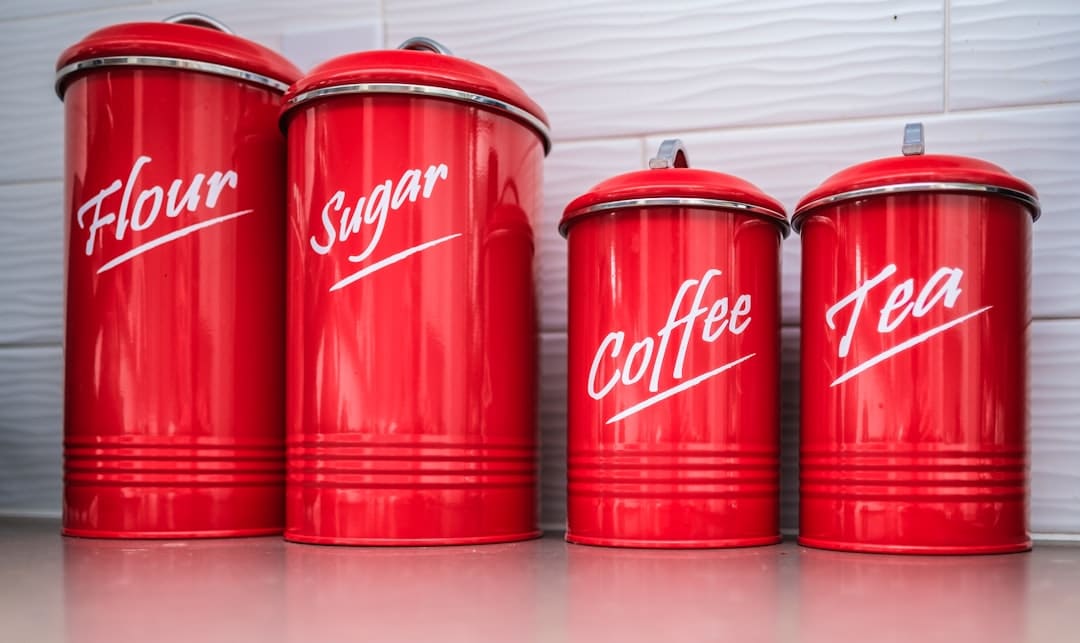
The Complete Guide to Food Storage Containers
The Best Food Storage Containers to Keep Your Food Fresh Longer
Food storage containers are one of the most useful tools in any kitchen — especially if you care about preserving food, reducing waste, or prepping meals in advance.
Here are the main types to choose from:
| Type | Best For | Key Benefit |
|---|---|---|
| Glass | Fermentation, leftovers, oven use | Non-porous, no stains or odors |
| BPA-free Plastic | On-the-go, meal prep | Lightweight, affordable |
| Stainless Steel | Dry goods, packed lunches | Durable, no chemical leaching |
| Silicone | Freezer storage, flexible use | Compressible, heat-resistant |
Whether you’re storing a batch of lacto-fermented hot sauce or packing tomorrow’s lunch, the right container makes a real difference. The wrong one can cause leaks, absorb odors, or — worse — let your carefully preserved food go bad too soon.
The biggest factors to compare: airtightness, material safety, temperature tolerance, and how well the lid actually seals.
This guide breaks down every major type, feature, and use case so you can find exactly what works for your kitchen.
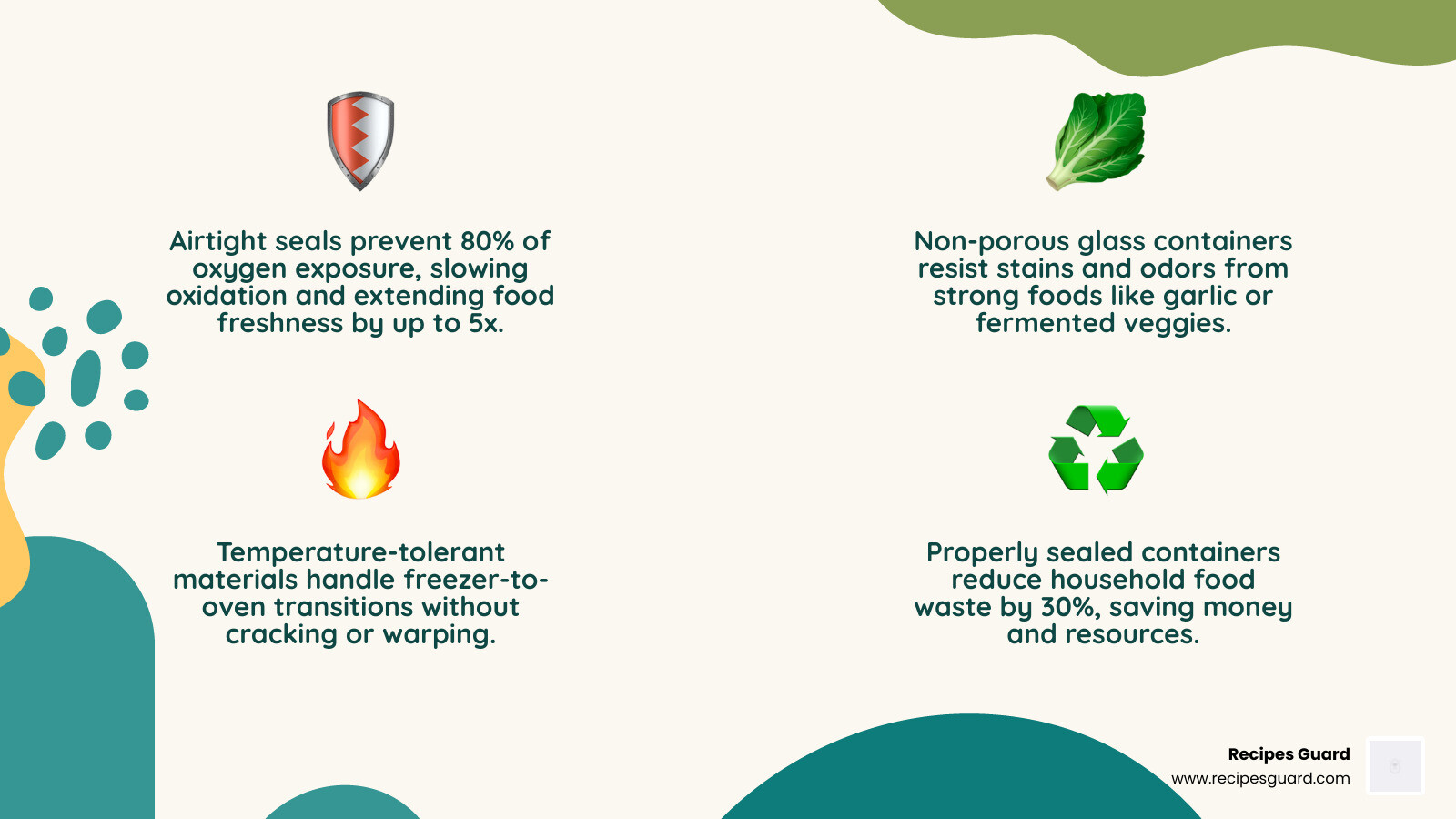
Understanding Different Types of Food Storage Containers
When we walk down the kitchen aisle in April 2026, the sheer variety of food storage containers can be overwhelming. It’s no longer just about “tupperware.” Today, we have high-tech materials designed to withstand extreme temperatures and keep our food fresh for weeks rather than days.
Choosing the right material is the first step in mastering your kitchen organization. Let’s look at the four heavy hitters in storage.
Borosilicate and Tempered Glass
Glass is a favorite here at Recipes Guard, especially for our fermentation projects. Borosilicate glass contains boron trioxide, which makes it incredibly resistant to thermal shock. This means you can often take it from the freezer to the oven without it shattering (though you should always check the manufacturer’s specific limits!). Tempered glass is also common; it’s treated with heat to be stronger than standard glass and is a staple in many households for everyday leftovers.
BPA-Free Plastic and Tritan
Plastic has come a long way. Modern premium options, like those found in the Everyday Use Storage Containers | Rubbermaid® collection, often use Tritan plastic. This material is BPA-free, crystal clear (so you can actually see what’s inside), and resistant to the dreaded tomato sauce stains that ruined so many containers in the past.
Stainless Steel
If you’re looking for something nearly indestructible, stainless steel is the way to go. While you can’t see through the sides, these are fantastic for dry goods, snacks, and packed lunches. They are non-leaching and don’t hold onto smells, which is great if you’re packing something pungent.
Silicone
Silicone is the “new kid on the block” that has quickly become a kitchen essential. It’s flexible, heat-resistant, and often collapsible. We love silicone for freezer storage because it can expand slightly as food freezes, preventing the cracks that sometimes plague rigid plastic.

Material Comparison Table
| Feature | Borosilicate Glass | Tritan Plastic | Stainless Steel | Silicone |
|---|---|---|---|---|
| Durability | High (but breakable) | High (shatterproof) | Very High | High |
| Weight | Heavy | Light | Medium | Very Light |
| Microwave Safe | Yes | Yes (usually) | No | Yes |
| Oven Safe | Yes (up to 450°F+) | No | Yes (lids off) | Yes |
| Stain Resistant | Excellent | Good | Excellent | Fair |
Glass vs. Plastic Food Storage Containers
The age-old debate: glass or plastic? In our experience, the answer depends on your lifestyle.
Glass Food Storage Containers are the gold standard for health-conscious cooks. They are non-porous, meaning they won’t absorb chemicals or odors. If you’ve ever tried to get the smell of garlic out of a cheap plastic bowl, you know why this matters! Sets like the Glass Food Storage Containers | Caraway offer ceramic-coated glass that is naturally non-stick and free of PTFE, PFOA, and heavy metals. They are heavier and more expensive, but they last a lifetime if handled with care.
Plastic Food Storage Containers, on the other hand, are the kings of convenience. They are lightweight, making them perfect for taking lunch to work or school. Premium plastic like Tritan offers 360-degree clarity, so you don’t have to play “fridge roulette” opening every lid to find the leftovers. While glass is great for the home, plastic is often the better choice for on-the-go transport.
Specialized Containers for Fermentation and Preservation
At Recipes Guard, we have a specialized focus on fermentation. Not every container is built to handle the “funk.” When you’re dealing with live cultures, you need containers that can manage gas buildup or provide a truly airtight environment.
For those diving into preservation, we recommend checking out our guide on Safety First: A Guide to Preserving Fermented Foods. When fermenting, the acidity of the food can leach chemicals out of low-quality plastics. This is why glass is almost always our top pick for long-term preservation. Whether you’re a beginner or a pro, understanding the Preserving Basics is essential for keeping your ferments safe and delicious.
Essential Features for Maximum Freshness
What makes a “good” container “great”? It usually comes down to the details that you don’t notice until they fail.
Airtightness and Leak-Proof Seals
An airtight seal is what stands between your food and the bacteria that cause spoilage. Oxygen is the enemy of freshness; it causes fats to go rancid and produce to wilt. Look for containers with a high-quality silicone gasket in the lid. A truly leak-proof container, like the Brilliance™ Food Storage Container, Medium Rectangle, allows you to carry soup in your backpack without a single drop escaping.
Temperature Tolerance
Your food storage containers should be able to keep up with your cooking. Can it go from the freezer to the microwave? Can the glass base go in the oven? Many modern glass sets are oven-safe up to 450°F, which means you can bake a small lasagna directly in the container, let it cool, snap on the lid, and put it in the fridge.
Microwave Vents
We’ve all been there: you microwave leftovers with the lid on, and the steam pressure causes the lid to go flying—or worse, the plastic warps. High-end containers now feature built-in vents under the latches. This allows steam to escape while keeping the lid on to prevent splatters.
The Role of Lid Design and Materials
The lid is arguably the most important part of the container. A great base with a flimsy lid is just an open bowl.
- Polypropylene Lids: Common in many sets, these are durable but can warp if placed too close to a heat source (like the bottom rack of a dishwasher).
- Snap-Locking Latches: These provide a mechanical “click” that lets you know the container is sealed. They are much more reliable than “press-on” lids, especially for liquids.
- Silicone Gaskets: These are the rubbery rings that create the seal. In the best food storage containers, these are removable for deep cleaning to prevent mold growth.
- Vented Designs: As seen in the Rubbermaid Brilliance BPA-Free Airtight Food Storage Containers, lids with integrated vents make reheating a breeze.
Best Food Storage Containers for Specific Uses
Not all storage needs are created equal. Depending on your goal, you might need a different “tool for the job.”
Freezer Storage
For the freezer, you want to minimize air contact to prevent freezer burn. Silicone bags or rigid containers with very little “headspace” (the air at the top) are ideal. If you’re freezing liquids like stocks or soups, remember to leave an inch of space, as liquids expand when they turn to ice!
Oven-to-Table Versatility
If you hate washing dishes (and who doesn’t?), look for ceramic-coated or borosilicate glass sets. These allow you to prep, cook, serve, and store all in one vessel. It’s a game-changer for weeknight casseroles or reheating our Quick and Easy Pickled Vegetables for Every Meal if you prefer them slightly warm as a side dish.
Choosing Food Storage Containers for Meal Prep
Meal prepping is the ultimate way to save time and money. The best containers for this are stackable and modular.
- Divided Compartments: These are perfect for keeping your protein, starch, and veggies separate so nothing gets soggy before lunch.
- Portion Control: Many sets come in specific sizes (like 1-cup or 3-cup) which helps you stick to your nutritional goals without having to pull out the measuring cups every time.
- Uniformity: Having a matching set means all the lids fit all the containers. No more digging through the “tupperware cabinet” looking for the one lid that fits.
If you’re prepping something with a kick, like our Mastering the Art of Lacto-Fermented Hot Sauce, you’ll definitely want glass to ensure the spicy oils don’t permeate the material.
Maintenance and Organization Tips
A kitchen is only as efficient as its organization. If your cabinet looks like a plastic avalanche waiting to happen, it’s time for a reset.
Cleaning for Longevity
Most modern food storage containers are dishwasher safe, but we recommend putting lids on the top rack to prevent warping. For glass containers that have developed a film, a quick soak in white vinegar and water usually brings back the sparkle.
If you are working with fermented foods, cleanliness is even more critical. When making something like our Don’t Be Afraid of the Funk with This Easy Fermented Garlic Recipe, you must start with a sterilized container to ensure only the “good” bacteria grow.
Removing Stubborn Stains and Odors
- Tomato Stains: Make a paste of baking soda and water, rub it on the stain, let it sit for 30 minutes, and rinse.
- Lingering Smells: For stubborn odors (like onions or fermented cabbage), leave the container open in the sun for a few hours. The UV rays are surprisingly good at neutralizing smells.
Space-Saving Nesting
When buying a new set, look for “nesting” capabilities. This means the smaller containers fit inside the larger ones, and the lids stack neatly on top. This can reduce the footprint of your storage by up to 50%.
Frequently Asked Questions about Food Storage
Are glass food storage containers safer than plastic?
Generally, yes. While BPA-free plastic is safe for most uses, glass is naturally free of all synthetic chemicals. It won’t leach anything into your food, even when heated or used for highly acidic foods like pickles or ferments. Glass is also more durable over the long term, as it won’t scratch (scratches in plastic can harbor bacteria).
Can food storage containers go from the freezer to the oven?
Only if they are made of borosilicate glass or specific types of tempered glass. Even then, it is best to let the container sit at room temperature for a few minutes to reduce the risk of thermal shock. Never put a plastic lid in the oven—always remove it first!
How do I keep my containers from smelling like leftovers?
The best way is to choose non-porous materials like glass or stainless steel. If you use plastic, avoid microwaving highly flavorful foods in them, as the heat helps the odors penetrate the plastic. For those who love our Fermented Recipes, we always suggest dedicated glass jars for the most “aromatic” projects.
Conclusion
Investing in high-quality food storage containers is an investment in your health and your wallet. By keeping your food fresh longer, you reduce waste and make healthy eating much more convenient.
At Recipes Guard, we believe that the right tools are the foundation of great cooking and preservation. Whether you are just starting your fermentation journey or you’re a seasoned meal prepper, choosing containers that are airtight, durable, and safe will make your time in the kitchen much more enjoyable.
Ready to fill those containers with something delicious? Explore more at Recipes Guard for recipes that are built to last!