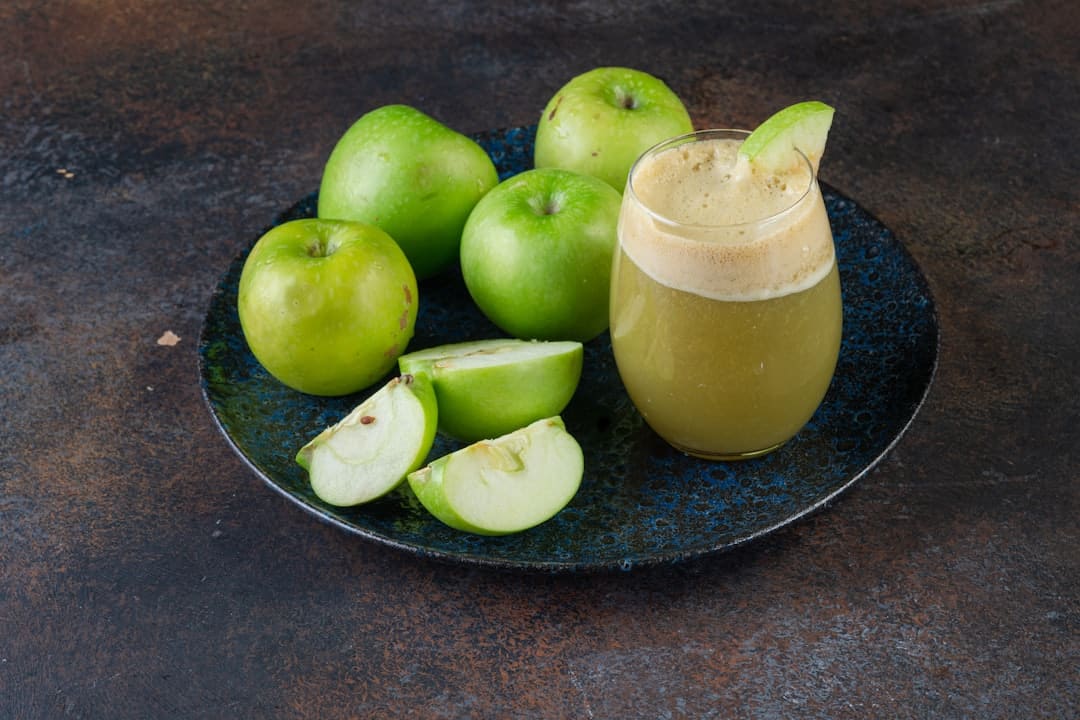
How to Ferment Apple Juice at Home Safely
What It Means to Ferment Apple Juice (and Why People Love It)
Ferment apple juice by following these basic steps:
- Choose your juice – Use preservative-free apple juice or fresh-pressed cider
- Sanitize all equipment – Clean every tool and vessel before use
- Add yeast – Use cider yeast, champagne yeast, or rely on wild yeast
- Seal with an airlock – Lets CO2 escape while keeping bacteria out
- Wait 7-14 days – Primary fermentation turns sugar into alcohol and bubbles
- Rack and age – Transfer off sediment and age up to 4 weeks for better flavor
- Bottle and refrigerate – Add a little sugar for fizz, then store cold
Apple juice has been fermenting — intentionally or not — for thousands of years. Leave fresh-pressed apple juice at room temperature for a few days, and yeast naturally present in the environment gets to work. It eats the natural sugars in the juice and produces alcohol and carbon dioxide. The result? Anything from a lightly fizzy, probiotic-rich drink to a proper hard cider reaching 6-7% ABV.
In fact, many people stumble into fermentation by accident. A forgotten jug of apple juice in the back of the fridge develops a foamy bloom on top and a pleasant fizzy taste — and suddenly they want to know how to do it on purpose.
There are really two paths here:
- Probiotic fermented apple juice – A short, low-alcohol ferment using a culture starter, ready in about 3 days, focused on gut health
- Hard apple cider – A longer ferment using yeast, producing 4-7% ABV, focused on flavor and carbonation
Both start the same way: apple juice plus microbes plus time.
As of April 2026, home fermentation is more popular than ever, and fermenting apple juice is one of the most beginner-friendly places to start. The ingredients are cheap, the equipment is minimal, and the results are genuinely delicious.
This guide covers everything — from choosing the right juice to bottling safely without explosions.
Health Benefits and Nutritional Value
When we ferment apple juice, we aren’t just making a tasty beverage; we are actually enhancing the nutritional profile of the original fruit. Fermentation is a biological process where yeast or bacteria convert sugars into alcohol or organic acids. This transformation unlocks several health benefits that you won’t find in a standard carton of store-bought juice.
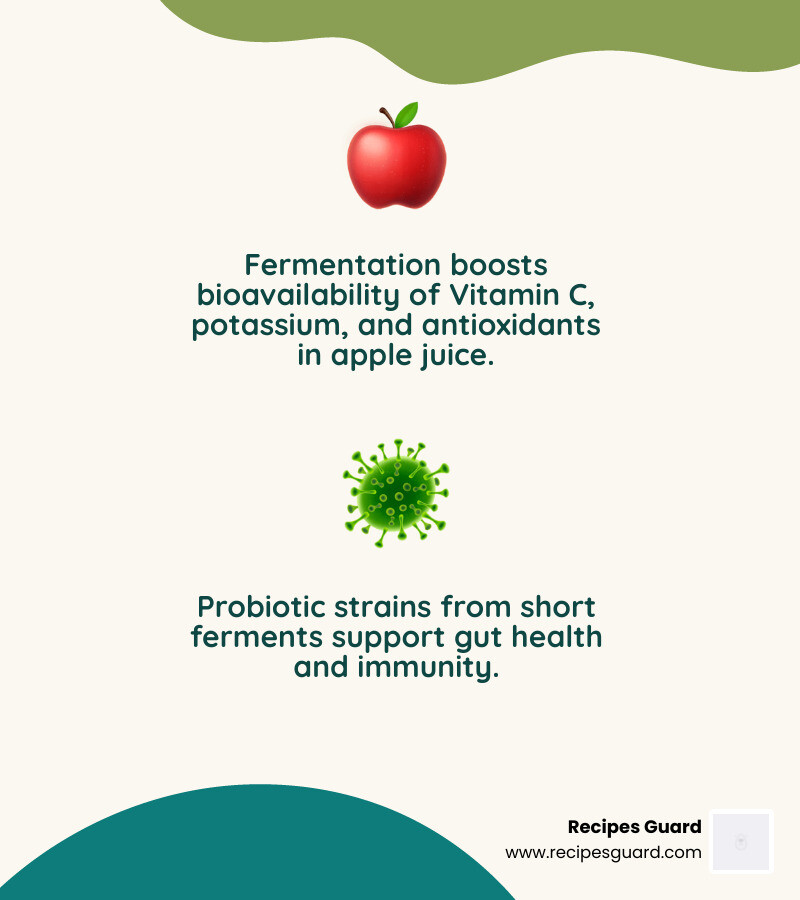
Firstly, fermentation increases the bioavailability of vitamins and minerals. Apples are naturally high in Vitamin C, potassium, and antioxidants. During the fermentation process, these nutrients become easier for our bodies to absorb. Furthermore, if you are making a short-term “probiotic” ferment, the drink becomes a living tonic. It is teeming with beneficial probiotic strains that support gut health and strengthen the immune system.
Scientific research suggests that fermented beverages can aid digestion and even improve mental clarity by supporting the gut-brain axis. Much like Mastering the Art of Lacto-Fermented Hot Sauce, fermenting fruit juices introduces “good” bacteria that compete with harmful microbes in our digestive tract.
Even in hard cider, which has a higher alcohol content, many of the polyphenols and antioxidants from the apples remain intact. While commercial sodas are filled with “empty” calories and preservatives, a glass of homemade fermented apple juice is a whole-food product that respects the integrity of the fruit.
Essential Equipment and Ingredients
To ferment apple juice successfully at home, you don’t need a professional laboratory, but you do need a few specific tools to ensure safety and quality. We always recommend starting with a small batch—perhaps one gallon—to get a feel for the process.
The Hardware:
- Glass Carboy or Jug: A 1-gallon glass jug is perfect for beginners. Avoid second-hand plastic containers if possible, as they can harbor old flavors or scratches where bacteria hide.
- Airlock and Stopper: This is the most critical piece of equipment. It allows the carbon dioxide produced by the yeast to escape while preventing oxygen and wild bacteria from entering.
- Sanitizer: You must sanitize everything that touches your juice. A no-rinse sanitizer like Star San is the industry standard, but a very dilute bleach solution (followed by thorough rinsing) can work in a pinch.
- Hydrometer: This tool measures the “specific gravity” (sugar content) of your juice. It tells you how much sugar you started with and how much alcohol has been produced.
- Siphon/Racking Cane: Used to move the liquid from one container to another without disturbing the sediment at the bottom.
The Ingredients:
- Apple Juice: The foundation of your ferment.
- Yeast: For hard cider, champagne yeast (like Lalvin EC-1118) or specialized cider yeast is best. For probiotic juice, you can use whey or a culture starter.
- Sugar (Optional): Adding brown sugar or honey can boost the final alcohol content and add depth to the flavor.
Before you begin, remember our Safety First: A Guide to Preserving Fermented Foods to ensure your workspace is clean and your methods are sound.
Choosing the Best Juice to Ferment Apple Juice
The quality of your final drink depends almost entirely on the juice you start with. As of April 2026, there are more options than ever in grocery stores, but not all are created equal for fermentation.
The Gold Standard: Fresh-Pressed Unfiltered Cider If you can get juice straight from an orchard, do it. This juice is “alive.” It contains the complex tannins and acids found in the skins and pulp of the apples. However, if it is unpasteurized, we recommend heating it to about 160°F for 10 minutes to kill off any unwanted wild molds before you ferment apple juice with your chosen yeast.
The Convenient Choice: Store-Bought Organic Juice Look for juice that is 100% apple juice. It should be cloudy (unfiltered) if possible. Most importantly, check the label for preservatives. Stay away from Potassium Sorbate or Sodium Benzoate. These chemicals are designed to stop yeast from growing, which will ruin your fermentation. Ascorbic Acid (Vitamin C) is perfectly fine and won’t interfere with the process.
The Budget Choice: Juice from Concentrate You can actually make decent cider from frozen concentrate or shelf-stable bottled juice from concentrate, provided there are no chemical preservatives. It may lack the complexity of fresh cider, but it’s a great way to practice the mechanics of fermentation.

Step-by-Step Guide: How to Ferment Apple Juice for Beginners
Ready to start? Follow this process for a standard one-gallon batch of sparkling hard cider.
1. Sanitize Everything Clean your carboy, airlock, funnel, and even the yeast packet. If a stray bacterium gets in, your juice might turn into vinegar instead of cider.
2. Prepare the Juice Pour your apple juice into the carboy. If you want a higher alcohol content (6-7% ABV), dissolve about 1/2 cup of brown sugar or honey in a small amount of warm juice and add it to the jug. Leave at least 2-3 inches of “headspace” at the top; fermentation can get foamy!
3. Pitch the Yeast If using dry champagne yeast, you can sprinkle it directly into the juice (about 1/4 of a 5g packet is enough for one gallon). Shake the jug vigorously for a minute to aerate the juice—yeast needs oxygen at the very beginning to build a strong colony.
4. The Primary Fermentation Fit the stopper and airlock (filled with a bit of water or cheap vodka) onto the jug. Place it in a cool, dark spot (65-72°F). Within 24-48 hours, you should see bubbles dancing in the airlock. This phase usually lasts 7 to 14 days.
5. Racking (The Secret to Clarity) Once the bubbling stops, you’ll see a layer of “lees” (dead yeast) at the bottom. Use your siphon to move the clear cider into a clean, sanitized jug, leaving the sediment behind. This prevents “off” flavors from developing.
6. Aging Let the cider sit in the new container for another 2-4 weeks. This “mellows” the harsh alcohol notes and allows the apple flavor to shine. For more inspiration on what to do with your ferments, check out our Fermented Recipes section.
Spontaneous vs. Added Yeast Methods
There are two schools of thought when you ferment apple juice: the “Wild” way and the “Controlled” way.
Spontaneous (Wild) Fermentation: Apples naturally have wild yeast on their skins. If you press fresh, organic, unwashed apples, the juice will eventually ferment on its own. This creates a very complex, “funky” flavor profile that varies from batch to batch. However, it is unpredictable. You might get the best cider of your life, or you might get a batch of apple vinegar.
Added (Commercial) Yeast Methods: By using a specific strain like Saccharomyces bayanus (champagne yeast), you have total control. These yeasts are bred to be “neutral,” meaning they let the apple flavor take center stage, and they are very reliable. They can handle higher alcohol levels and finish “dry” (meaning all the sugar is gone). For beginners, we highly recommend using commercial yeast to guarantee success.
Achieving Carbonation and Alcohol Content
One of the most common questions we get is: “How do I make it fizzy like the stuff in the store?”
To get that “sparkle,” we use a process called secondary fermentation. When the primary fermentation is done, the yeast has eaten all the sugar. To create bubbles, we add a tiny, measured amount of “priming sugar” (about 1 teaspoon of sugar or honey per liter) right before bottling. We then seal the bottles tightly. The yeast wakes up, eats that tiny bit of sugar, and produces a small amount of CO2. Since the bottle is sealed, the gas dissolves into the liquid, creating carbonation.
Understanding ABV (Alcohol by Volume): The alcohol content depends on the initial sugar level of the juice.
| Starting Gravity (Sugar) | Potential ABV | Result |
|---|---|---|
| 1.040 | 5.2% | Light & Refreshing |
| 1.050 | 6.5% | Standard Hard Cider |
| 1.060 | 7.8% | Strong Cider |
Most standard apple juices will naturally land between 4.5% and 5.5% ABV without added sugar. If you’re looking for a quick snack to go with your cider, try these Quick and Easy Pickled Vegetables for Every Meal.
Safety Precautions and Storage Tips
Safety is paramount when you ferment apple juice, primarily because of pressure. Carbon dioxide is a powerful force!
The “Bottle Bomb” Risk: Never bottle your cider until you are 100% sure fermentation has finished. If you bottle too early, the yeast will continue to produce gas until the glass shatters. This is why using a hydrometer is so important—if the reading stays the same for three days in a row, it’s safe to bottle.
Bottle Selection: Use bottles designed to hold pressure. Swing-top (Grolsch-style) bottles or heavy-duty beer bottles with crown caps are ideal. Never use decorative glass jars or thin wine bottles for carbonated cider.
Storage: Once your bottled cider has sat at room temperature for 5-10 days to carbonate, move it to the refrigerator. The cold temperature puts the yeast to sleep and prevents over-carbonation. Fermented apple juice can last in the fridge for several months, often improving in flavor over time. For more safety tips, revisit Don’t Be Afraid of the Funk with This Easy Fermented Garlic Recipe.
Avoiding Common Mistakes When You Ferment Apple Juice
Even experts make mistakes! Here are the most common pitfalls to avoid:
- Exploding Bottles: As mentioned, this happens from bottling too early or adding too much priming sugar. Always “burp” a test bottle if you are unsure.
- Contamination: If your cider smells like rotten eggs or vinegar, bacteria likely got in. This is usually due to poor sanitization.
- Kahm Yeast: You might see a thin, white, wavy film on top of your juice. This is Kahm yeast. It’s harmless but can affect the taste. You can usually scrape it off, but it’s a sign that your equipment wasn’t perfectly sterile or there was too much oxygen in the jug.
- Temperature Shock: If you move your fermenter from a warm room to a freezing basement too quickly, the yeast might “stall” and stop working before the sugar is gone. Keep temperatures stable between 60-75°F.
Frequently Asked Questions about Fermenting Juice
Can I use store-bought apple juice for fermentation?
Yes! In fact, it’s one of the easiest ways to start. Just ensure the label says “100% Juice” and does not contain preservatives like potassium sorbate. Ascorbic acid is fine. Many homebrewers prefer unfiltered, organic store-bought juice for a better flavor profile.
How long does the fermentation process take?
For a probiotic, low-alcohol juice, it takes about 2-3 days at room temperature. For a hard cider, the primary fermentation takes 7-14 days, followed by 2-4 weeks of aging. Total time from juice to drinkable hard cider is usually about 6 weeks.
How do I know when my fermented juice is ready to drink?
For probiotic juice, taste it! It should be slightly fizzy and less sweet than the original juice. For hard cider, watch the airlock. When the bubbles stop (less than one bubble per minute), use your hydrometer. If the reading is around 1.000 to 1.005, it is “dry” and ready for bottling or aging.
Conclusion
Learning how to ferment apple juice is a rewarding journey that connects you to ancient culinary traditions while providing a modern, healthy alternative to commercial drinks. Whether you are looking for a probiotic-rich morning tonic or a crisp, sparkling hard cider for a summer evening, the process is accessible to anyone with a little patience and a clean glass jar.
At Recipes Guard, we believe in the power of food preservation and specialized fermentation techniques to improve our health and our kitchens. By mastering these simple steps, you can turn a humble jug of juice into a complex, living beverage that you’ll be proud to share with friends and family.
Ready to explore more? Dive into our full collection of Fermented Recipes and start your next batch today! Happy fermenting!