The Ultimate Guide to Keeping Your Cooking Apples Fresh
Choosing the Best Varieties for Apple Preservation Recipes
Selecting the right apple is the difference between a jar of golden, firm slices and a pot of accidental applesauce. In our experience at Recipes Guard, the “Two-Apple Rule” is a game-changer: for the best flavor and structural integrity, use a 50/50 blend of tart and sweet firm apples.
Top Performers for the Pantry
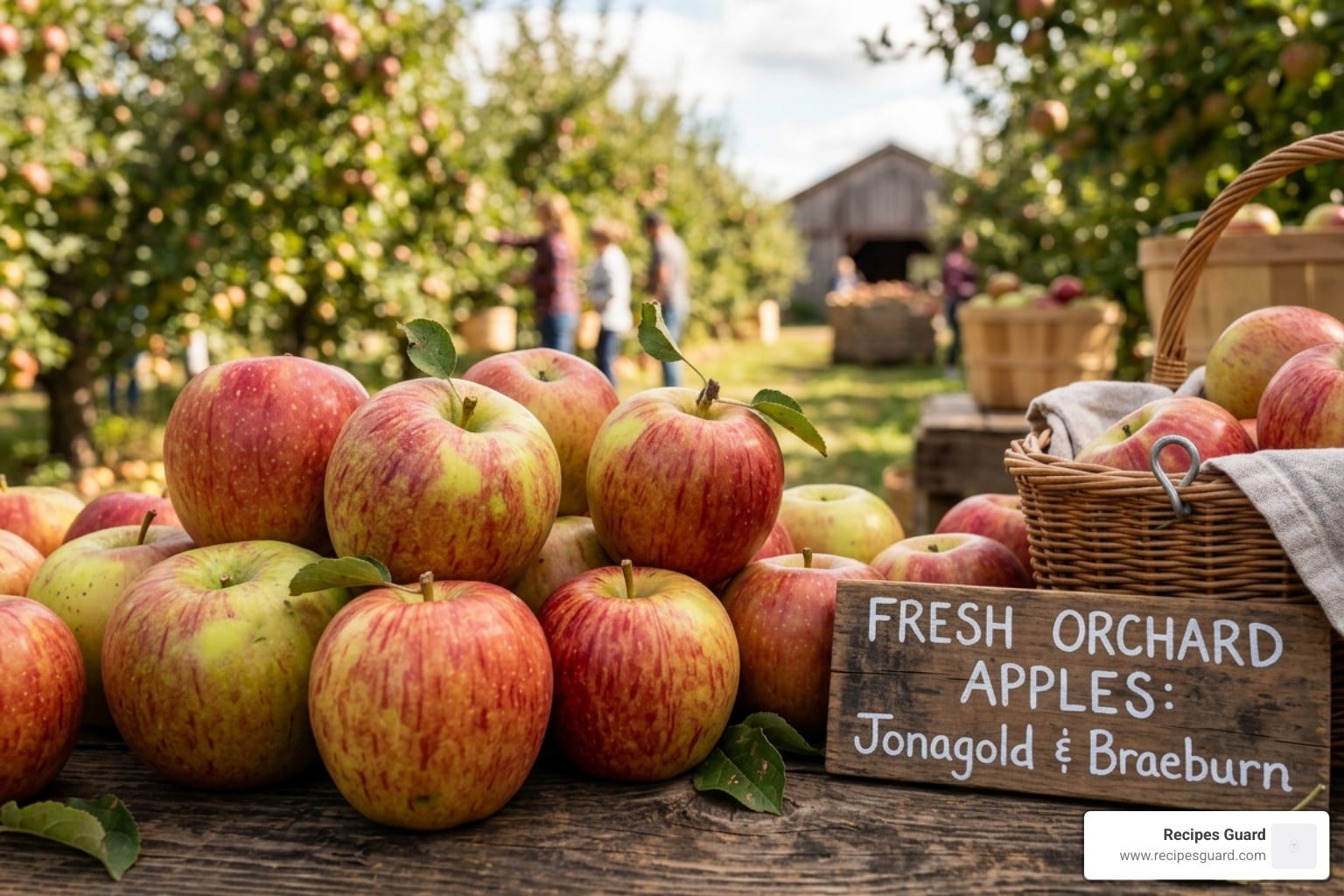
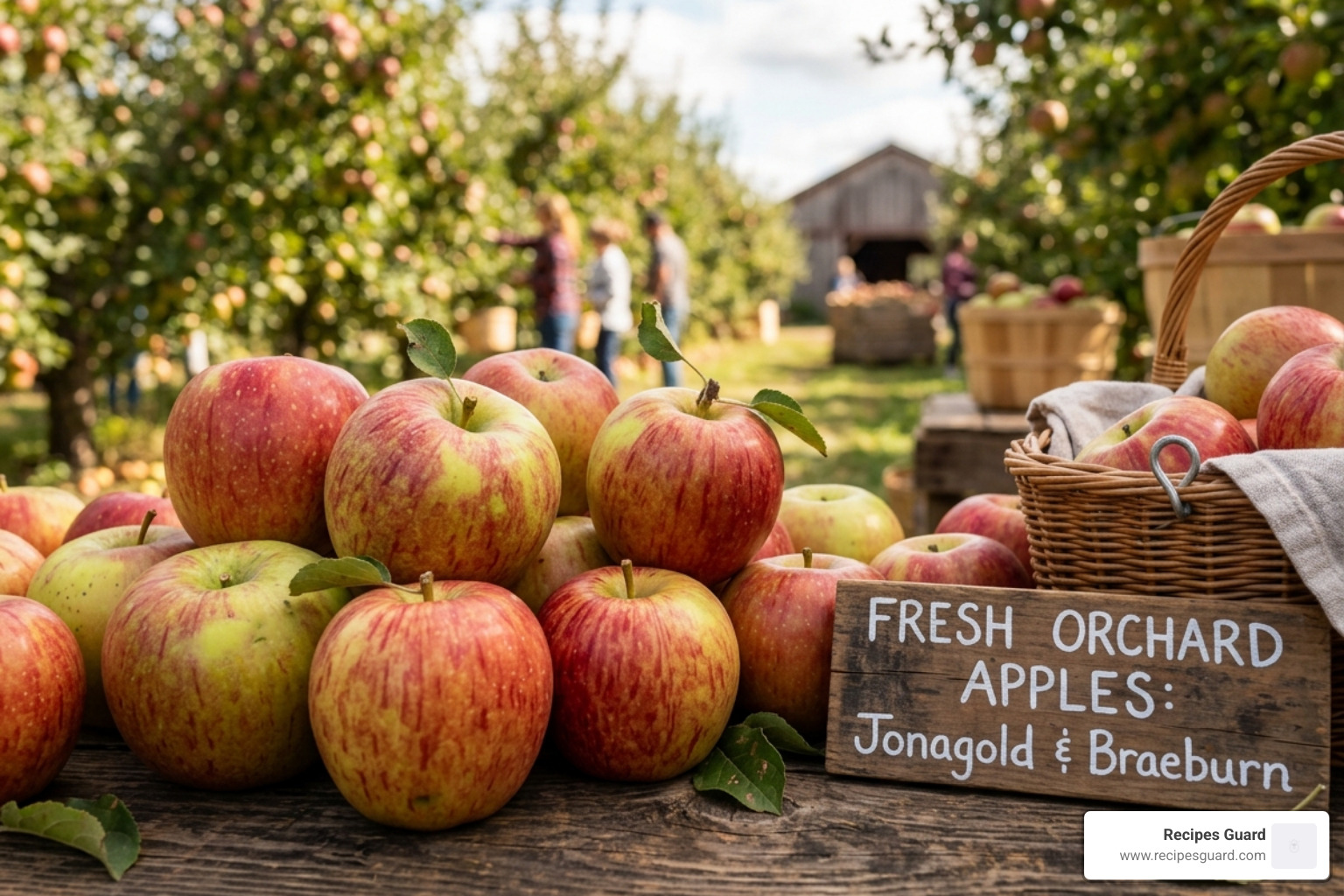
- Jonagold and Braeburn: These are the gold standard for canning. They are crisp, firm, and maintain their shape even after the heat of a water bath.
- Granny Smith: The high acidity makes these perfect for “Russian-style” dacha preserves or any recipe where you want a sharp contrast to sweet syrup.
- Honeycrisp and Gala: These add a reliable sweetness and a modern flavor profile to mixed preserves.
- Pink Lady: A fantastic all-rounder that balances tartness and sweetness beautifully.
- McIntosh and Golden Delicious: While slightly softer, they are the kings of apple butter and applesauce because they break down into a smooth, luxurious texture.
Managing Oxidative Browning
The moment you slice an apple, enzymes meet oxygen, and the browning begins. To keep your apple preservation recipes looking professional, you must intervene.
While lemon juice is the traditional home remedy, pure ascorbic acid (Vitamin C) is significantly more effective at preventing browning without altering the flavor profile. For those seeking a “forgotten technique” from vintage cookbooks, a brief saltwater soak (2 tablespoons of kosher salt in 8 cups of cold water for 15-20 minutes) helps firm up the natural pectin, ensuring your slices stay distinct and clear. Just remember to rinse them thoroughly afterward! For more on these foundational skills, check out our Preserving Basics.
Essential Methods for Preserving Apples at Home
There is no “one size fits all” for apples. Depending on your kitchen equipment and how much time you have, you can choose from several reliable paths.
Freezing for Fresh Flavor
Freezing is the fastest way to save a harvest. For the best results, we recommend a 2-minute blanch in boiling water followed immediately by an ice bath. This stops the enzymes that cause toughness. Once cooled, freeze the slices flat on a baking sheet before bagging them. This “IQF” (Individually Quick Frozen) method prevents the apples from turning into a solid block, allowing you to grab exactly what you need for a morning smoothie or a quick cobbler.
Dehydrating: The Ultimate Space Saver
If you are short on pantry space, dehydration is your best friend. Did you know that 20 pounds of prepared apples dry down to just 6.5 pounds?
- Apple Chips: Slice thin, coat with a dusting of cinnamon, and dry at 135°F for 6 to 24 hours until leathery or crisp.
- Fruit Leather: Puree your overripe apples, spread the sauce thin on silicone liners, and dry until it’s no longer tacky.
Fermentation and Beyond
At Recipes Guard, we have a special passion for the “living” side of preservation. Using your apple scraps—the peels and cores—you can ferment your own apple cider vinegar with the “mother.” This process transforms waste into a probiotic-rich kitchen staple. However, safety is paramount when working with wild yeasts and bacteria. We recommend reading our Safety First: A Guide to Preserving Fermented Foods to ensure your fermenting environment is healthy and productive.
Master the Art of Canning and Long-Term Storage
Canning is the pinnacle of the harvest season. There is something deeply satisfying about hearing that “ping” of a sealing lid—it’s the sound of a job well done.
The Essential Equipment List
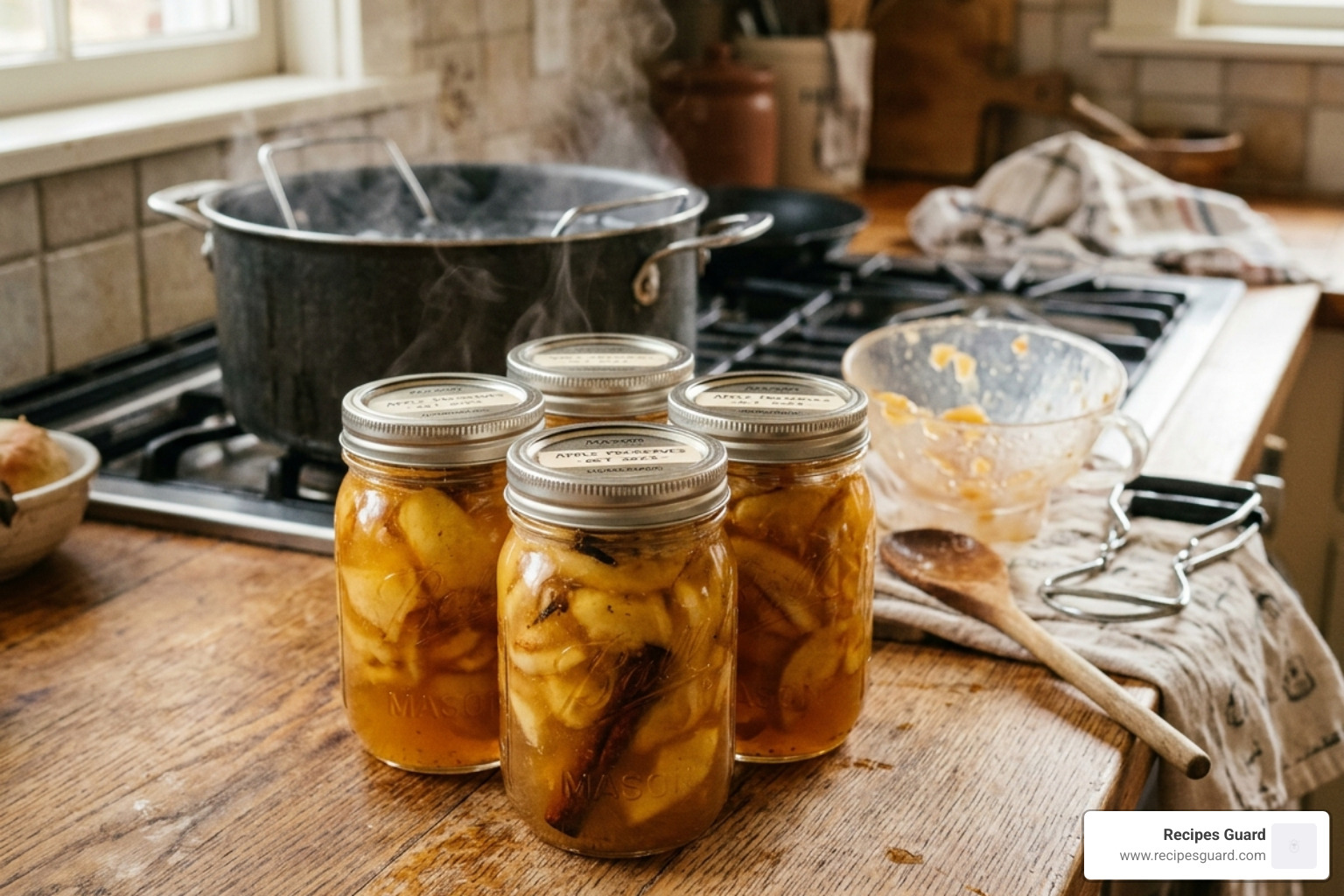
Before you start your apple preservation recipes, gather these tools:
- Water Bath Canner: A large pot with a rack to keep jars off the bottom.
- Glass Mason Jars: Ensure they are free of nicks or cracks.
- New Lids and Clean Rings: Never reuse flat lids for canning.
- Jar Lifter and Canning Funnel: To keep things sanitary and prevent burns.
- Bubble Remover: A plastic spatula to release trapped air.
Avoiding Common Failures
One of the most frustrating issues is “siphoning,” where liquid is forced out of the jar during processing. To prevent this, always maintain the correct headspace (usually 1/2 inch for preserves and 1 inch for frozen jars) and let your jars sit in the hot water for 5 minutes after the timer goes off before lifting them out. This allows the pressure to equalize gently. Properly sealed jars stored in a cool, dark place (50-70°F) will easily last 12 to 18 months.
Safe Water Bath Canning for Apple Preservation Recipes
Canning is a science, not a suggestion. Because apples are high-acid fruits, they are safe for a water bath canner, but you must adjust your processing time based on your altitude.
Processing Times for Pints/Half-Pints:
- 0-1,000 feet: 15 minutes
- 1,001-6,000 feet: 20 minutes
- Above 6,000 feet: 25 minutes
For a unique twist on traditional canning, consider making Old Fashioned Spiced Crab Apples. These vintage treats don’t require peeling or coring; just prick the skins with a fork to prevent bursting and simmer them in a spiced vinegar syrup.
Low-Sugar and No-Pectin Apple Preservation Recipes
You don’t always need a mountain of sugar or store-bought pectin to get a good set. Apples are naturally rich in pectin, especially in the peels and cores. By simmering your preserves slowly, you can achieve a thick, jammy consistency naturally.
If you’re looking for a sophisticated flavor profile that doesn’t rely on heavy syrups, the Cardamom Apple Preserves are a fantastic option. They use the warmth of cardamom to enhance the apple’s natural sugars, creating a preserve that tastes like “apple pie in a jar.” For those who prefer a thicker filling for pies, “Clear Gel” is the only starch recommended as safe for home canning, as it won’t break down or interfere with heat transfer during processing.
Top 5 Apple Preservation Recipes for Your Pantry
When the April 2026 harvest hits its peak, these are the five recipes we return to time and again.
- Apple Pie Filling: The ultimate time-saver. Having 7 quarts in the pantry means a homemade pie is only 15 minutes away. Use a mix of Granny Smith and Honeycrisp for the perfect texture.
- Old-Fashioned Apple Butter: This is like applesauce’s “mature older brother.” Cooked down for hours until the sugars caramelize into a deep mahogany brown, it’s incredible on warm biscuits.
- Russian-Style “Dacha” Apples: These are thinly sliced rings preserved in a light, cinnamon-infused syrup. They are traditionally served as a filling for blinis or enjoyed straight from the jar with tea.
- Spiced Apple Preserves with Calvados: For a gourmet touch, add a splash of apple brandy (Calvados) and a star anise pod to your jars. It adds a sophisticated depth that pairs perfectly with a sharp cheddar cheese board.
- Apple Scrap Jelly: Never throw away your peels! Boil them down with water to extract the natural pectin, strain, and add sugar to create a crystal-clear, jewel-toned jelly that costs almost nothing to make.
Frequently Asked Questions about Apple Preservation
How do I prevent my apples from turning brown during prep?
Speed is your friend, but science is your backup. Keep a bowl of “acidulated water” (water mixed with lemon juice or ascorbic acid) on your station. Drop the slices in immediately after cutting. For the clearest preserves, try the saltwater soak technique mentioned earlier—it keeps the fruit bright and the syrup transparent.
How many apples do I need for a quart of canned slices?
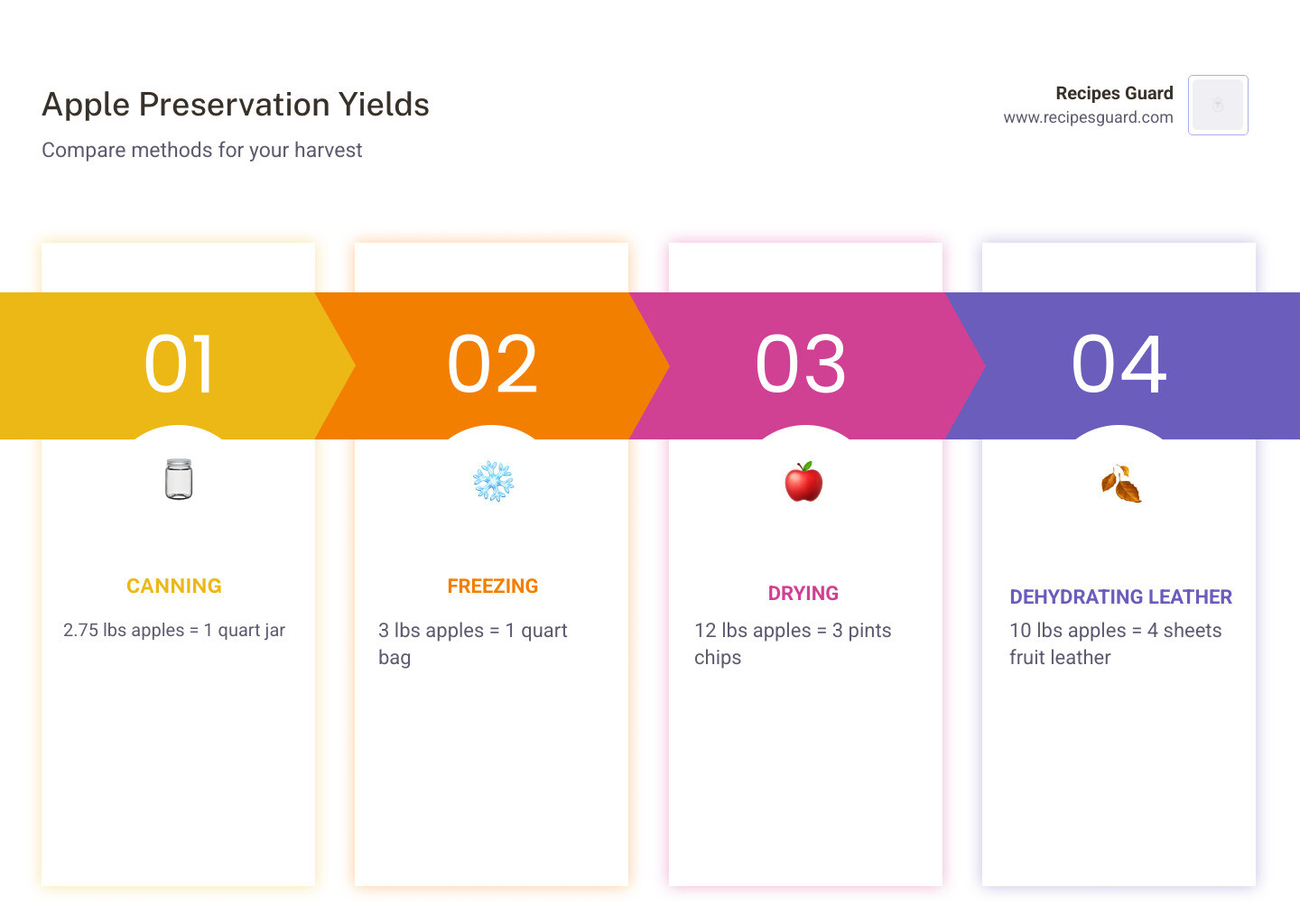
The “Apple Math” is essential for planning. You generally need 2 3/4 pounds of apples per canned quart. If you are doing a full canner load of 7 quarts, you’ll want about 19 pounds of fruit on hand. If you’re dehydrating, 12 pounds of fresh apples will shrink down to about 1 1/4 pounds of dried slices.
Can I preserve apples without using commercial pectin?
Absolutely. Apples are one of the few fruits that provide their own “glue.” To maximize this, use slightly under-ripe apples (which have higher pectin levels) or include a few crab apples in your mix. Simmering the fruit with the cores in a cheesecloth bag can also help release extra pectin into your jam or jelly.
Conclusion
At Recipes Guard, we believe that the art of preservation is about more than just filling a pantry—it’s about connecting with the seasons and reducing our footprint. As we move through April 2026, taking the time to master these apple preservation recipes ensures that the crisp, sweet taste of autumn is never more than a jar-opening away.
Whether you’re fermenting a batch of spicy apple kvass or canning a year’s supply of pie filling, these sustainable living skills are the foundation of a resilient kitchen. Ready to dive deeper into home food security? Explore More info about preserving basics and start your next preservation project today!