
What to Do When Your Travel Insurance Ghosted Your Claim
When Your Student Travel Claim Gets Denied: What You Need to Know
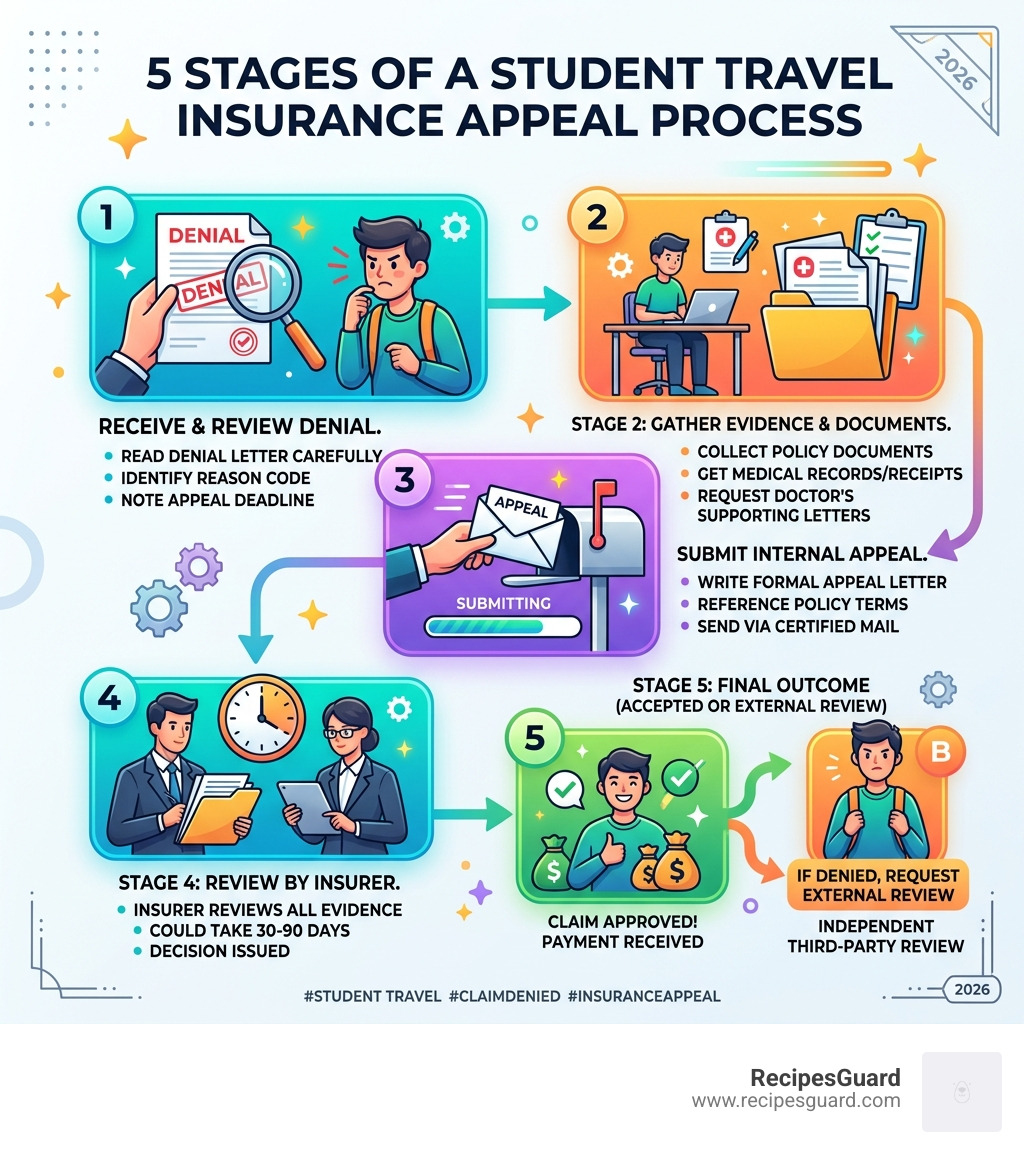
A student travel claim denied decision is not the end of the road — and in many cases, it can be successfully overturned with the right steps.
If your claim was just denied, here is what to do first:
- Read the denial letter carefully — find the exact reason code and appeal deadline
- Don’t miss your appeal window — most insurers allow 90 to 180 days to file
- Gather your documents — denial letter, medical records, receipts, and your policy
- Get a Letter of Medical Necessity from your doctor if the denial was for “not medically necessary” treatment
- Submit a formal appeal letter — in writing, via certified mail, referencing your policy terms
- If the internal appeal fails — request an external review by an independent third party (binding in most US states)
Being far from home and dealing with a denied insurance claim is one of the most stressful situations a student can face. You handled a health crisis or travel disruption in a foreign country. You filed your claim. And then you got a letter that made your stomach drop.
Claim denied.
The good news? Many denials are generated automatically, often because of missing information rather than a genuine policy exclusion. That means a well-prepared appeal has a real shot at success.
This guide walks you through exactly how to fight back — whether you’re an international student in the US, a UK student claiming through Student Finance England (SFE), or an Australian student navigating ABSTUDY reimbursements.
Related content about student travel claim denied:
- student baggage claim insurance
- student health insurance australia
How to Overturn a Student Travel Claim Denied in April 2026

Receiving notice of a student travel claim denied can feel like a personal betrayal, but it is important to remember that insurance is a contract. To overturn a denial, we need to prove that the event in question fits within the legal definitions of your policy. In April 2026, the landscape for student travel is more complex than ever, but the fundamental reasons for denials remain remarkably consistent.
Common Reasons for Denial
Most denials fall into a few specific categories. Understanding these is the first step in building your “battle plan” for an appeal:
- Policy Exclusions: These are specific events the insurer explicitly states they won’t cover. Common examples include injuries sustained while participating in “high-risk” sports like bungee jumping or mountaineering without a specific rider.
- Pre-existing Conditions: If you sought treatment for a condition you already had before the policy started, the insurer might claim it wasn’t a “sudden emergency.”
- Alcohol and Substance Clauses: Many policies have an “alcohol exclusion.” If an incident report suggests you were intoxicated at the time of an accident, your claim will likely be rejected.
- Routine Healthcare: Travel insurance is for emergencies. If you went for a standard check-up or a routine dental cleaning while abroad, it won’t be covered.
- Lack of Reasonable Care: If you left your laptop in an unlocked car or walked through a known dangerous area against local advice, the insurer may argue you didn’t take “reasonable care” to prevent the loss.
Travel vs. Health Insurance Denials
For students, there is often confusion between travel insurance and international health insurance. The reasons for denial can differ significantly between the two.
| Feature | Travel Insurance Denial Reason | Health Insurance Denial Reason |
|---|---|---|
| Primary Focus | Trip cancellation, lost gear, emergencies | Long-term care, specialists, prescriptions |
| Common Denial | “Event not covered” (e.g., job interview) | “Not medically necessary” |
| Provider Issues | Out-of-policy dates/locations | Out-of-network provider |
| Documentation | Missing police reports or receipts | Insufficient medical records/prior auth |
Common Pitfalls Leading to a Student Travel Claim Denied
Sometimes, a student travel claim denied isn’t about the event itself, but how you handled the paperwork. We often see claims fail due to:
- Clerical Errors: Simple mistakes like misspelling your policy number or getting your birthdate wrong can trigger an automated rejection.
- Late Filing: Every policy has a “statute of limitations.” If you wait six months to file a claim for a lost bag, you’ve likely missed the window.
- Uncovered Destinations: If you bought a policy for “Europe” but had an accident during a weekend trip to Morocco, you might be out of luck if that country wasn’t listed.
- Lack of Prior Authorization: For major medical procedures, most insurers require you to call them before the surgery (unless it’s a life-threatening emergency).
Essential Documentation for a Student Travel Claim Denied Appeal
To win an appeal, you need “ammunition” in the form of paperwork. Do not send your only copies; keep the originals and send clear scans or photocopies.
- The Denial Letter: This contains the “reason code” which is the target of your appeal.
- Medical Records: Detailed notes from the treating physician abroad.
- Proof of Payment: Credit card statements or receipts showing you actually paid the bill.
- Travel Itineraries: To prove you were within the covered dates and locations.
- Official Forms: If you are a UK student, ensure you have correctly utilized the SFE Travel Abroad Expenses Form 25/26 to ensure government-backed reimbursements are processed correctly alongside your private insurance.
The Step-by-Step Appeal Battle Plan
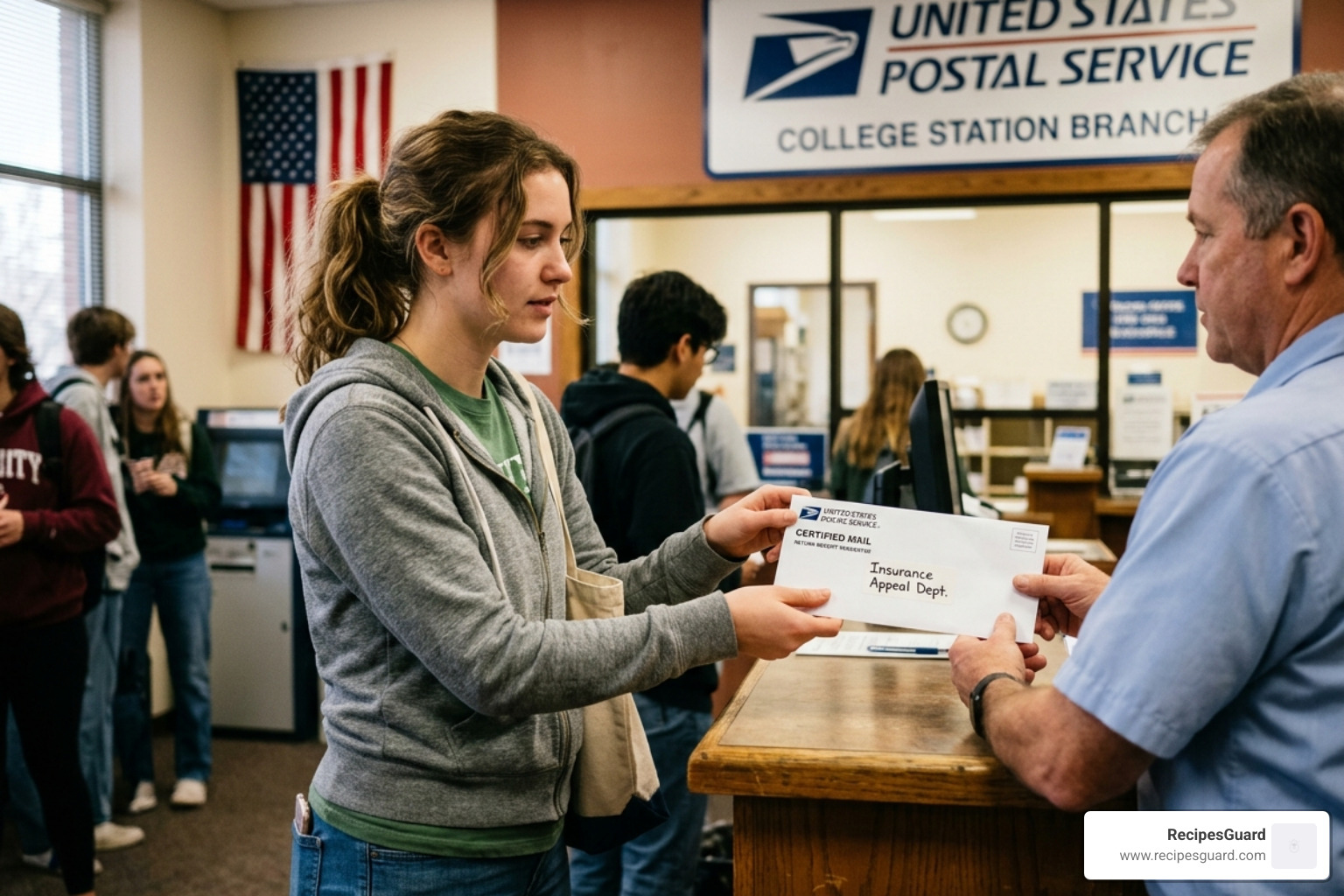
When your claim is denied, you enter a two-stage fight: the internal appeal and the external review.
Step 1: The Internal Appeal
This is your first chance to ask the insurance company to reconsider. You typically have between 90 and 180 days from the date of the denial letter to file this.
- The Phone Call: Start by calling customer service. Be calm and professional. Ask for a detailed explanation of the denial code. Record the name of the representative, the date, and the time of the call.
- The Submission: Send your appeal letter and supporting documents via certified mail with a return receipt. This provides legal proof that they received your package.
Step 2: The External Review
If the insurance company stands by their denial, you can request an external review. This is handled by an independent third party—usually medical experts or legal professionals who don’t work for the insurance company. In many jurisdictions, including various US states and Australia, the decision of an external reviewer is legally binding on the insurance company.
Australian Specifics: ABSTUDY and Fares Allowance
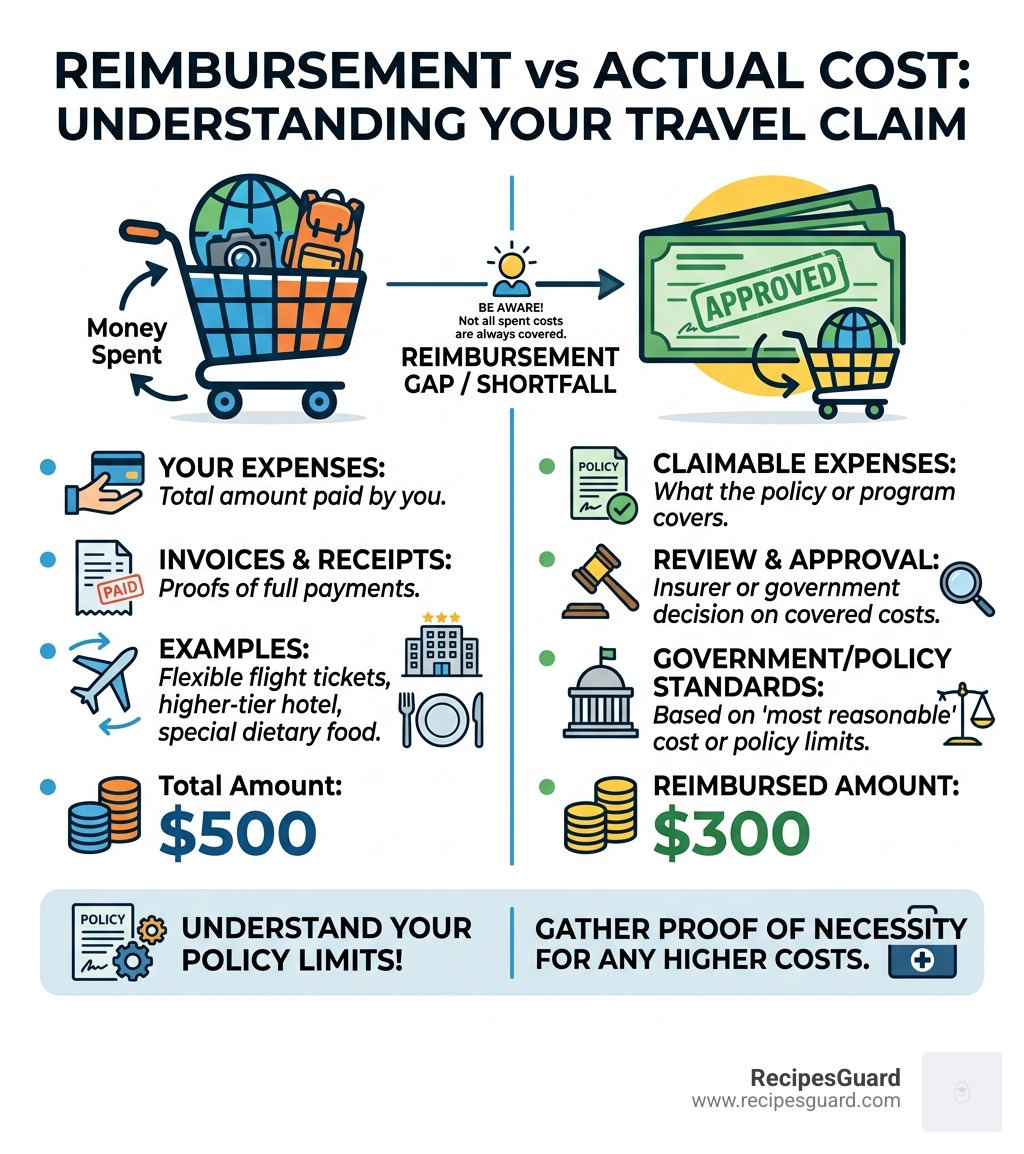
For our Australian students, especially those from Aboriginal or Torres Strait Islander backgrounds, the process might involve government programs. If you are claiming ABSTUDY Fares Allowance after your trip, Services Australia only reimburses the “most reasonable” cost.
If you chose a $500 flight when a $100 bus was available, they might deny the difference. To appeal this, you must prove why the more expensive option was necessary (e.g., medical mobility issues or lack of available public transport).
Crafting a Winning Appeal Letter and Medical Evidence
The heart of your appeal is the letter. It shouldn’t be an emotional plea; it should be a professional, fact-based refutation of their denial.
The Letter of Medical Necessity
If your student travel claim denied was based on the service being “not medically necessary,” a Letter of Medical Necessity (LMN) from your doctor is your strongest weapon. This letter should:
- Explain your diagnosis in detail.
- State why the specific treatment was the only viable option.
- Reference clinical guidelines that support the treatment.
- Explicitly state that the treatment was an emergency, not elective.
Structuring Your Appeal Letter
- Header: Include your name, policy number, claim number, and the date.
- The “Why”: State clearly that you are appealing the denial dated [Date] for [Service/Item].
- The Argument: “The claim was denied because [Reason]. However, per Section [X] of the policy, this should be covered because [Evidence].”
- The Evidence: List the documents you have attached (e.g., LMN, receipts, police reports).
- The Closing: Request a timely review (usually 30–60 days) and provide your contact information.
Government Reimbursements and International Resources
Depending on where you are from and where you are studying, there are government safety nets that can help if your private student travel claim denied leaves you in a lurch.
UK Students
If you are studying abroad as part of your degree, you may be eligible for travel grants.
- SFE and SFW: Use the Student Finance Wales 2025-2026 Reimbursement forms or SFE equivalents. These grants often cover visas, vaccinations, and even a portion of your travel insurance premium (usually around 40% for the medical component).
- Turing Scheme/Taith: Be careful—you generally cannot “double dip.” If the Turing Scheme has already paid for your flight, you cannot claim it again through SFE.
International Resources
- United States: If you feel you’ve been treated unfairly, contact the State Insurance Department in the state where the policy was issued.
- United Kingdom: The Financial Ombudsman Service can step in if you and the insurer reach a deadlock.
- Canada: Look to provincial insurance regulatory bodies for mediation services.
Conclusion
At RecipesGuard, we know that a student travel claim denied notice feels like a weight on your shoulders, especially when you’re trying to focus on your finals or experiencing a new culture. We specialize in providing student-focused, step-by-step claim filing tutorials to ensure you don’t just accept a “no” when you’re entitled to a “yes.”
Insurance companies count on the fact that many students will be too overwhelmed to fight back. By following this guide, gathering your evidence, and staying persistent, you can move from financial anxiety back to focusing on your studies.
If your appeals are exhausted and you still face a large bill, don’t panic. Many hospitals offer financial assistance programs or interest-free payment plans for students. Always ask for a “settlement” or “charity care” application before you start paying out of pocket.
For more detailed guides and templates to help you win your case, visit our website. More info about claim filing tutorials
What if my internal and external appeals are both denied?
If both levels of appeal fail, you still have options. First, contact the hospital’s billing department and ask for “Financial Assistance” or “Charity Care.” Many institutions have funds set aside for students or low-income individuals that can wipe out a debt entirely. You can also seek legal aid through your university’s student union or contact consumer protection agencies in your host country to see if the insurer violated any local consumer laws.
Does alcohol consumption automatically void my student travel claim?
Not necessarily, but it makes the process much harder. Most policies have “exclusion clauses” for incidents where intoxication was a contributing factor. However, the insurer must prove that the alcohol caused the incident. If you had two beers at dinner and then a balcony collapsed under you, the alcohol is irrelevant to the structural failure. We recommend obtaining a copy of the incident or police report to see exactly how your state of mind was documented at the time.
How do I handle a denial for “not medically necessary” services?
This is a common “canned” denial reason. To fight it, you need a doctor’s statement that uses clinical language. The letter should explain that the treatment followed standard clinical guidelines and that delaying the service would have resulted in permanent harm or death. Providing peer-reviewed evidence or medical journals that support the treatment for your specific condition can also help overturn these automated denials.

My name is Bianca, and my journey into the world of fermentation and food safety began with a costly mistake. I once lost an entire season’s harvest of chili peppers because I relied on guesswork instead of science. That failure was my turning point.
