
Sailing Smoothly with the Best Cruise Insurance in Australia
Why Every Australian Cruise Traveller Needs the Right Insurance Before Setting Sail
Australia cruise insurance is one of the most important things to sort before you board — yet most travellers skip it or assume their regular cover is enough.
Here’s a quick answer to help you compare your options:
| What You Need to Know | Key Facts |
|---|---|
| Does Medicare cover onboard medical costs? | No — not even on domestic Australian cruises |
| Does standard travel insurance cover cruises? | Usually not without a specific cruise add-on |
| How much can onboard medical bills cost? | Up to AUD $5,000 per day |
| How much does cruise insurance cost? | Around $40–$100 for a short trip |
| Do you need it for a 3-day domestic cruise? | Yes |
| Best approach | Buy third-party insurance with a cruise-specific add-on |
Cruises are booming in Australia. The market is projected to grow by nearly 10% between 2023 and 2027. More Australians — and international visitors — are setting sail every year.
But here’s the problem: most people don’t realise how exposed they are at sea.
Cruise ships are registered internationally. Their onboard doctors are private practitioners. That means the moment you step aboard, you’re outside the reach of Medicare — even if the ship is sailing along the Australian coast.
The financial risks are real. One traveller was billed over USD $5,000 for just 24 hours in a cruise ship’s medical centre after a respiratory infection. Another was charged upwards of $300 for a single paracetamol tablet.
And if you need an emergency evacuation by air? That bill can be catastrophic without the right cover.
This guide breaks down exactly what cruise insurance covers, which providers stand out, and how to pick the right policy — whether you’re a first-time cruiser, a senior traveller, or an international student planning a voyage along the Australian coast.

Why Australia Cruise Insurance is Essential for Every Voyage
When we think of a cruise, we think of endless buffets and sunset cocktails. We rarely think about the legal jurisdiction of the vessel. However, the moment that gangway retracts, you are effectively entering a different “territory.”
In Australia, the cruise industry is projected to grow by 9.65% between 2023 and 2027. This surge in popularity means more people are at risk of falling into the “Medicare Trap.” Many travellers believe that because they are sailing from Sydney to Brisbane, they are covered by the national healthcare system. This is a dangerous misconception.
Cruise ships operate as private entities. The medical facilities on board are state-of-the-art, but they come with a “private practice” price tag. Daily hospital bills on cruise ships can reach as much as AUD $5,000 per day. Without australia cruise insurance, these costs fall entirely on your shoulders. For international students visiting our shores, understanding these gaps is vital. You can learn more about general coverage in our guide on Travel Insurance for Students Traveling to Australia.
Does Medicare Cover Domestic Cruises?
The short answer is: No.
Even if you can see the Australian coastline from your balcony, you are not covered by Medicare. This is because the doctors on board are generally not accredited to bill Medicare. Once the ship leaves the port, you are considered to be in international waters for medical billing purposes.
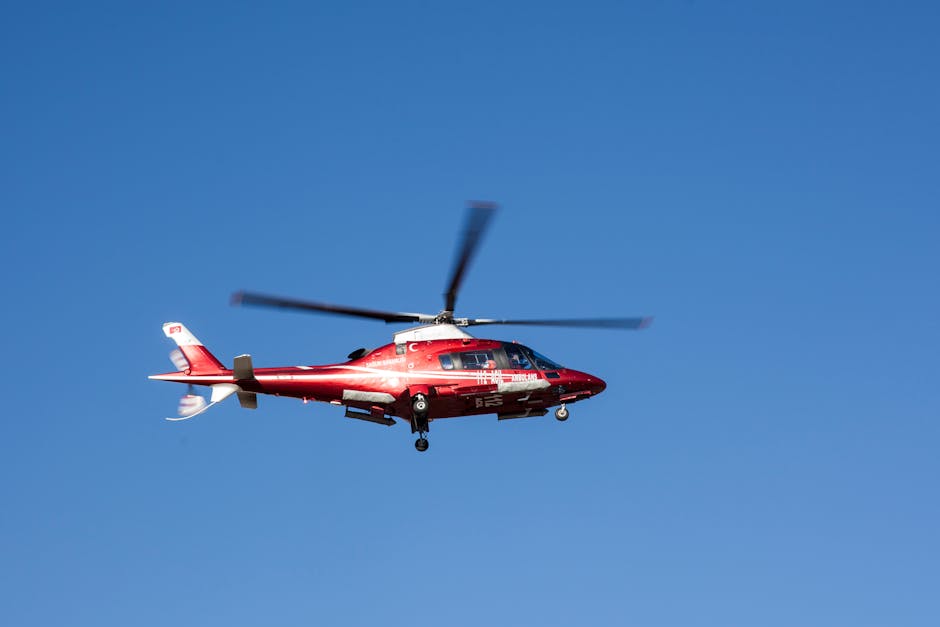
The Smartraveller government advice is clear: the Australian Government will not pay for your medical expenses or your medical evacuation. If you suffer a heart attack or a serious injury, the ship’s doctor will stabilize you, but you will likely be evacuated to the nearest shore-based hospital. Without insurance, you could be looking at a bill for tens of thousands of dollars for a helicopter transfer alone.
The Risks of Uninsured Australia Cruise Insurance Travel
Beyond medical bills, cruising presents unique logistical risks. What happens if your luggage is sent to Auckland while you’re heading to Hobart? Or what if a sudden outbreak of Norovirus or COVID-19 forces you into cabin confinement?
Uninsured travellers face total financial liability for:
- Medical Evacuation: Airlifts from sea are among the most expensive transport methods in the world.
- Repatriation: Getting you back home if you are too ill to continue the cruise.
- Lost Property: If your bags vanish, you’re on your own. For help with these scenarios, check out our guide on Where Is My Bag? A Guide to Lost Bag Claims in Australia.
Statistics show a staggering 41% of Australians would consider travelling overseas without insurance, and nearly 70% think the government will bail them out in a medical emergency. Don’t be part of that statistic.
Key Coverages to Look for in a Cruise Policy
Not all travel insurance is created equal. When searching for australia cruise insurance, you need to ensure the policy includes “Cruise Cover.” This isn’t just a marketing term; it’s a specific set of benefits designed for life at sea. You can find more general information in our Insurance category.
A comprehensive cruise policy should include:
- Cabin Confinement: If the ship’s doctor orders you to stay in your room (due to illness like the flu or COVID-19), some policies pay a daily benefit (e.g., $50–$100 per day) to compensate you for the lost holiday time.
- Missed Ports: If bad weather or a mechanical issue prevents the ship from docking at a scheduled port, you may be reimbursed for pre-paid shore excursions.
- Formal Wear Cover: Cruises are famous for their gala nights. If your tuxedo or evening gown is lost or damaged, a cruise-specific policy often provides higher limits for these items.
- Marine Rescue Diversion: If your ship has to divert to help another vessel in distress, you could be compensated for the delay.
Medical Evacuation and Onboard Care
This is the “big ticket” item. Medical evacuation from a ship is a complex operation involving helicopters or specialized boats. A standard policy might cover a “medical transfer,” but a cruise-specific add-on ensures the insurer understands the complexities of ship-to-shore transfers.
Onboard care is equally pricey. We’ve seen cases where paracetamol cost $300 and a 24-hour stay for a respiratory infection cost USD $5,000. Ensure your policy has “unlimited” overseas medical cover, as this applies even on domestic Australian cruises. If you plan on doing shore excursions like scuba diving or zip-lining, make sure to read our Travel Insurance Plans with Adventure Sports Coverage.
Cancellation and Trip Interruption
Cruises are high-value holidays. You often pay the full balance months in advance. If you get sick a week before departure and can’t go, you could lose 100% of your fare.
Good australia cruise insurance covers these pre-paid costs. It also covers “Trip Interruption.” Imagine your flight to the departure port is delayed by weather, and you miss the ship’s departure. A good policy will pay for you to fly to the next port to catch up with the vessel. For students on a budget, this protection is a lifesaver. See our guide on Student-Friendly Travel Insurance with Cancellation Coverage for more tips.
Choosing Your Cruise Insurance: Third-Party vs. Cruise Line Policies
When you book your cruise, the cruise line will almost certainly offer you their own insurance. It’s convenient — you just tick a box at checkout. But is it the best?
In our experience, third-party insurance providers often provide more robust coverage than the cruise lines themselves. Cruise line policies are often “one size fits all” and may have lower limits for medical evacuation or restrictive “Cancel for Any Reason” credits instead of cash refunds.
Why Third-Party Providers Offer Superior Coverage
Third-party providers allow you to tailor your policy. If you are a student, you need different coverage than a retiree. We help you navigate these choices in our guide on How to Choose the Right Coverage for Student Travelers.
Benefits of third-party policies include:
- Higher Medical Limits: Often providing truly unlimited medical cover.
- Pre-existing Condition Assessment: Better systems for declaring and covering health issues you already have.
- Expert Recommendations: Many cruise agents suggest third-party insurers because they have seen how much faster they pay out claims.
- Trustpilot and Finder Rankings: You can check real-world reviews from other travellers to see how the company handles emergencies.
Special Considerations: Seniors, Students, and Specific Destinations
Every traveller is unique, and so are their insurance needs.
For seniors, age limits and pre-existing conditions are the primary hurdles. Some insurers stop offering multi-trip policies after age 75, while others specialize in senior travel. It is vital to declare every health condition in writing. If you don’t mention that high blood pressure and then have a stroke on board, the insurer can deny the entire claim.
For students, the focus is often on value and flexibility. At RecipesGuard, we specialize in helping students navigate the complexities of insurance claims. Whether you’re on a gap year cruise or a short break between semesters, having the right paperwork is key. Check out What Documents Students Need for Travel Insurance Claims to stay prepared.
Requirements for New Caledonia and Beyond
If your Australian cruise heads to the South Pacific, specifically New Caledonia, there are strict mandates. You often must show printed proof of travel insurance that specifically mentions cruise cover at the time of check-in. If you don’t have it, the cruise line can legally deny you boarding.
Always check an interactive travel restrictions map before you leave. Requirements can change, and you don’t want to be stuck at the terminal while the ship sails away.
Do You Need Australia Cruise Insurance for Short 3-Day Trips?
“It’s just a 3-day ‘cruise to nowhere,’ do I really need insurance?”
The answer is a resounding yes.
A heart attack doesn’t care if your cruise is three days or thirty. You are just as far from a Medicare-accredited hospital on a short break as you are on a long voyage. Considering that a short-term policy for a 3-day trip can cost as little as $40–$100, it is a small price to pay for protection against a $50,000 medical evacuation bill.
Frequently Asked Questions about Cruise Coverage
Does standard travel insurance cover cruises?
Usually, no. Most standard travel insurance policies explicitly exclude “multi-night ocean or sea cruising” unless you pay an additional premium for a cruise pack or add-on.
While some comprehensive plans in the Australian market may automatically include multi-day cruises, for almost every other provider, you must “toggle on” cruise cover. If you don’t, and you try to claim for a medical issue that happened on the ship, your claim will likely be rejected.
How much does cruise insurance typically cost?
The price of australia cruise insurance depends on a few factors:
- Age: Premiums rise as you get older because the statistical risk of a medical claim.
- Duration: A 14-day cruise will cost more to insure than a 3-day “sampler.”
- Destination: International cruises (e.g., to New Zealand or Vanuatu) are generally more expensive to insure than domestic port-to-port cruises.
- Pre-existing Conditions: If you need to cover a chronic illness, there may be an additional premium.
Can I buy insurance after booking my cruise?
Yes, but we don’t recommend waiting. You should buy insurance the moment you pay your non-refundable deposit. Why? Because if you buy it today and get sick tomorrow, you are covered for cancellation. If you wait until the day before the cruise to buy insurance and get sick today, you’ve lost your money.
Conclusion
Cruising is a fantastic way to see Australia’s coast and the surrounding islands, but it comes with unique financial risks that Medicare simply doesn’t cover. From $300 paracetamol to $5,000-a-day hospital beds, the costs of getting sick at sea are eye-watering.
Before you pack your bags, make sure you:
- Verify that your policy includes a specific “Cruise Cover” add-on.
- Declare all pre-existing medical conditions.
- Check if your destination (like New Caledonia) requires printed proof of insurance.
- Buy your policy as soon as you book to protect your deposit.
At RecipesGuard, we want you to sail with confidence. Understanding the Importance of Travel Insurance for Students Studying Overseas is just the first step. Ready to secure your trip? Get a quote for your next Australian adventure and ensure your only worry is which dessert to pick at the buffet.
Safe travels and smooth sailing!

My name is Bianca, and my journey into the world of fermentation and food safety began with a costly mistake. I once lost an entire season’s harvest of chili peppers because I relied on guesswork instead of science. That failure was my turning point.
