
How to File a Travel Health Claim Without Losing Your Mind
Why Every Student Traveler Needs a Clear Travel Claim Tutorial Before They Go
A student travel claim tutorial is a step-by-step guide that walks you through filing for reimbursement — whether through your university’s expense system or an external insurance provider — after travel disruptions, medical emergencies, or out-of-pocket costs abroad.
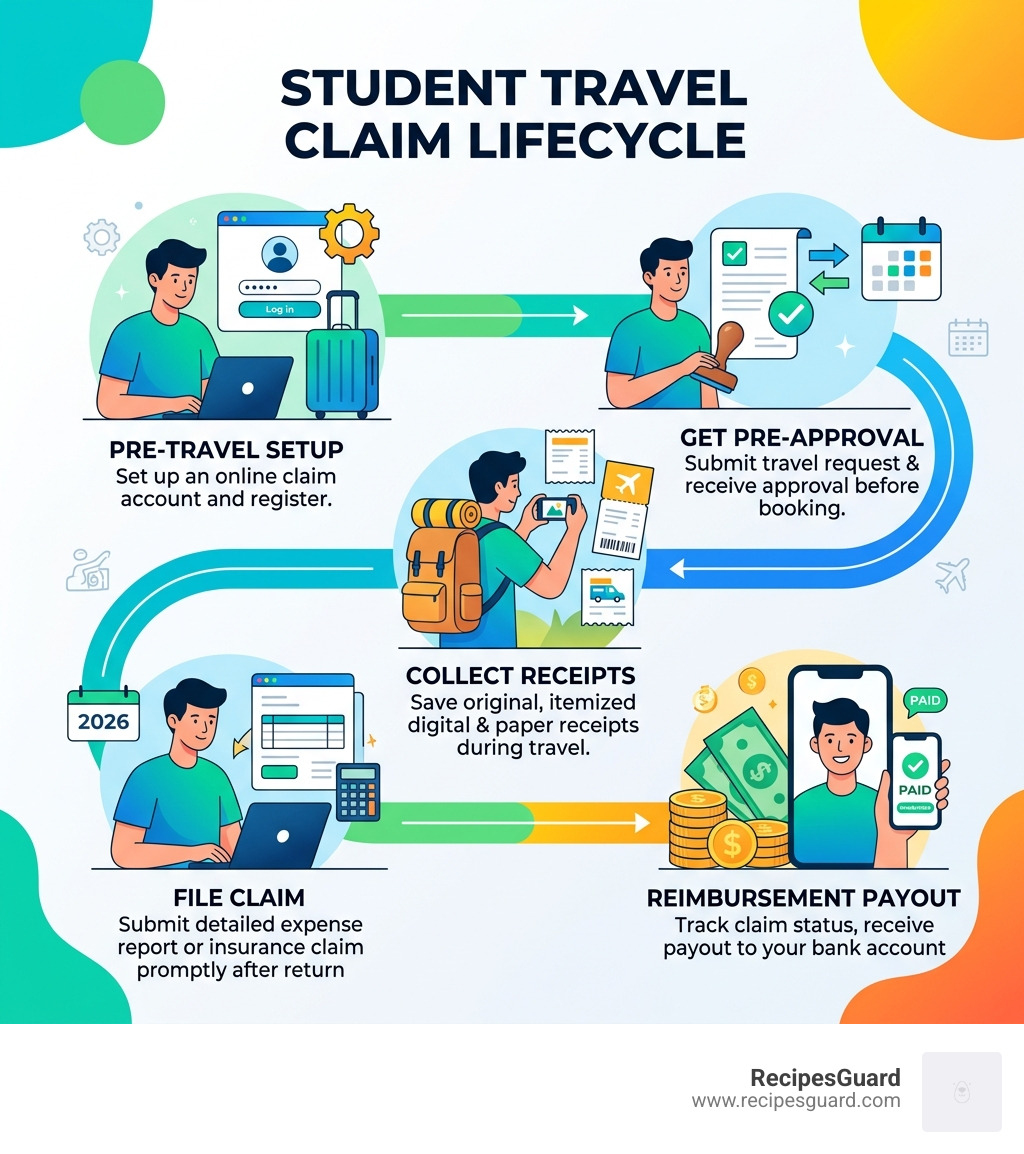
Here is a quick overview of the core steps most students need to follow:
- Set up your account — Log into your university’s expense or insurance platform before you travel
- Get pre-approval — Submit a travel request and have it approved before booking anything
- Keep every receipt — Collect original, itemized receipts for all expenses as you go
- File promptly — Submit your expense report or insurance claim as soon as possible after returning
- Track your claim — Monitor approval status and respond quickly to any requests for more information
Filing a travel claim for the first time can feel overwhelming. You’re juggling receipts, policy rules, deadlines, and unfamiliar online systems — often while still recovering from a stressful trip.
The stakes are real. Miss a deadline or submit the wrong documentation, and you could lose hundreds — or even thousands — of dollars in reimbursements.
Most universities use systems like Concur for expense reporting, while external health and emergency coverage runs through separate insurance providers. Knowing which system handles which type of claim is half the battle.
This guide breaks it all down into plain, simple steps.
Easy student travel claim tutorial word list:
- Student Health Insurance Australia
- Student Baggage Claim Insurance
Pre-Travel Essentials: Setting Up Your Student Travel Claim Tutorial
Before you even pack your bags, you need to lay the groundwork. In university travel, if it isn’t in the system, it doesn’t exist. For most of us in Australia and at major institutions abroad, this means getting cozy with the Concur system.
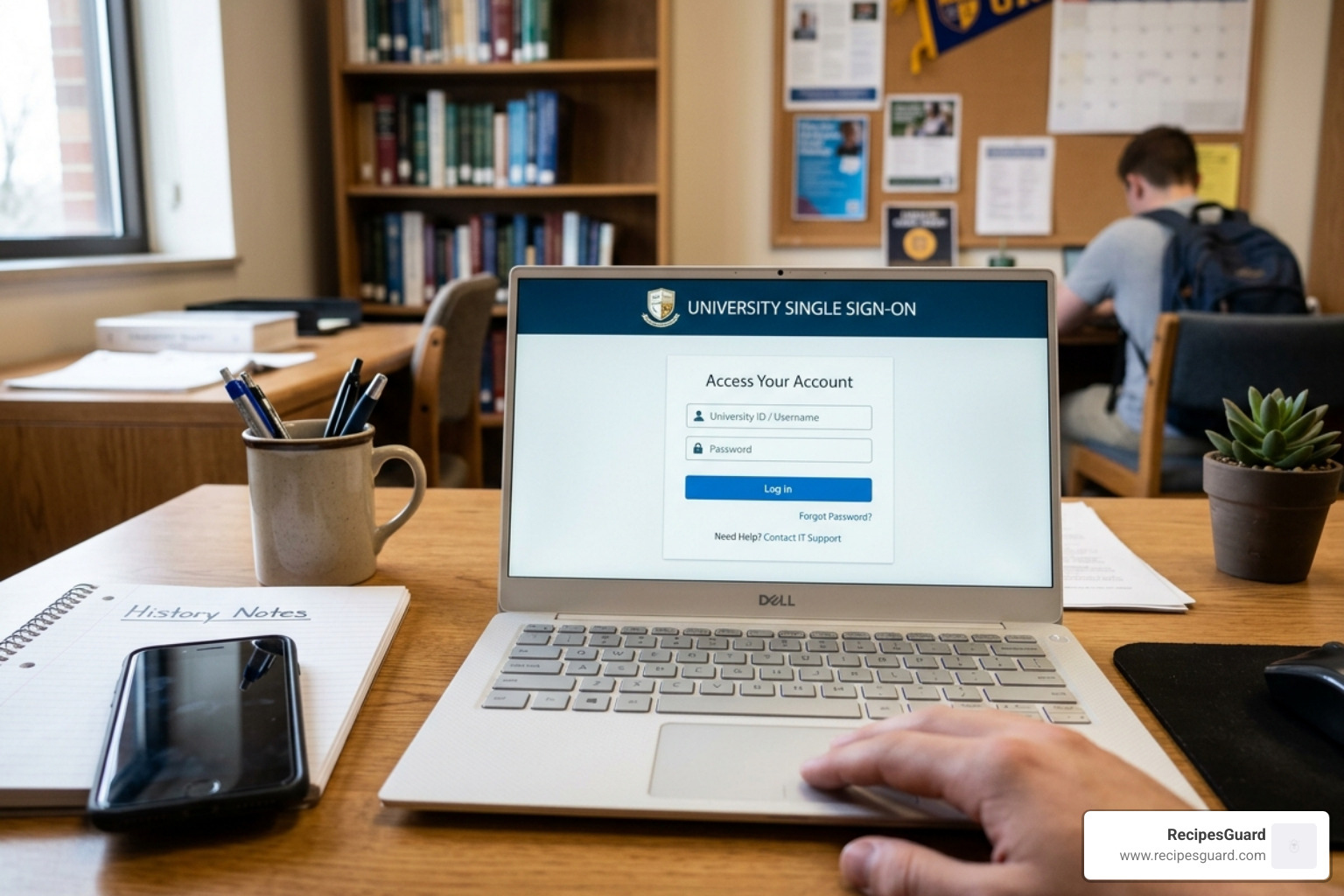
To get started, you’ll usually head to your university’s finance or travel portal. For many, this involves using your ONYEN or student ID and password, followed by a quick Duo Authentication tap on your phone. Once you’re in, don’t just start booking! You need to configure your Profile Settings.
One of the best things you can do for your future self is to enable ExpenseIt. This feature allows you to email receipts to a central address where the system automatically turns them into expense entries. You should also look into How to register a travel expense claim to understand how different institutions structure their digital portals.
Initial Steps in Your Student Travel Claim Tutorial
Once your account is active, follow these “Golden Rules” of setup:
- Verify Your Email: Go to Profile > Email Addresses. Enter your student email and click verify. You’ll get a code in your inbox; enter it back in Concur. This is the only way the system will recognize the receipts you email to it later.
- TSA Secure Flight: If you’re traveling to or through the US, add your birthdate, gender, and TSA PreCheck/Redress numbers to your profile. This saves you from entering it every single time you book a flight.
- Expense Assistant: Set this to “By Month.” This magical tool automatically pulls in your university credit card transactions and organizes them into a draft report for you.
- Update Personal Info: Ensure your name matches your passport exactly. A discrepancy here can lead to a nightmare at the check-in counter.
Booking and Requests in the Student Travel Claim Tutorial
In April 2026, university policies are stricter than ever. You cannot just buy a ticket and hope for the best. You must submit a Travel Request first. This is your “permission slip” to spend university or grant money.
When creating a request, you’ll need to estimate your costs. Think about airfare, lodging, and those daily meals. Once your supervisor or department head approves the request, you can proceed to booking.
Whenever possible, book your flights, hotels, and rental cars directly through the Concur travel search engine. This ensures your itinerary is automatically linked to your future expense report, saving you hours of manual data entry later.
Navigating the Concur System for University Reimbursements
Now that you’re traveling, the real work begins. The Concur dashboard is your command center. It tracks your active “Requests” (the pre-approvals) and your “Available Expenses” (the actual money spent).
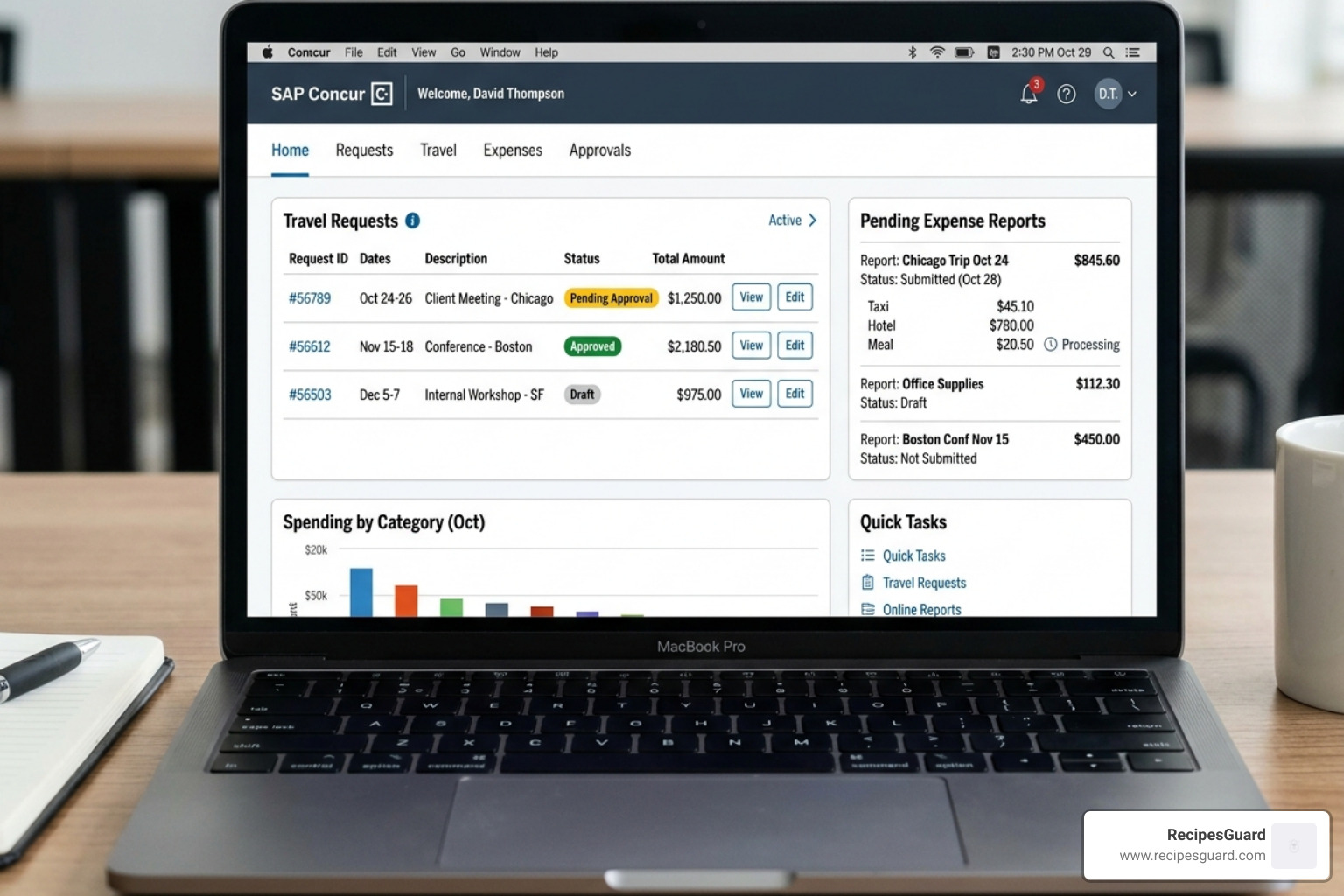
If you have a university T&E (Travel & Expense) card, those charges will pop up here automatically. If you’re paying out-of-pocket, you’ll need to manually add those. The goal is to eventually link these expenses to an approved Travel Request. For more on the benefits of these integrated systems, check out Travel Benefits.
Creating and Submitting the Request
When you fill out a Travel Request, detail is your friend.
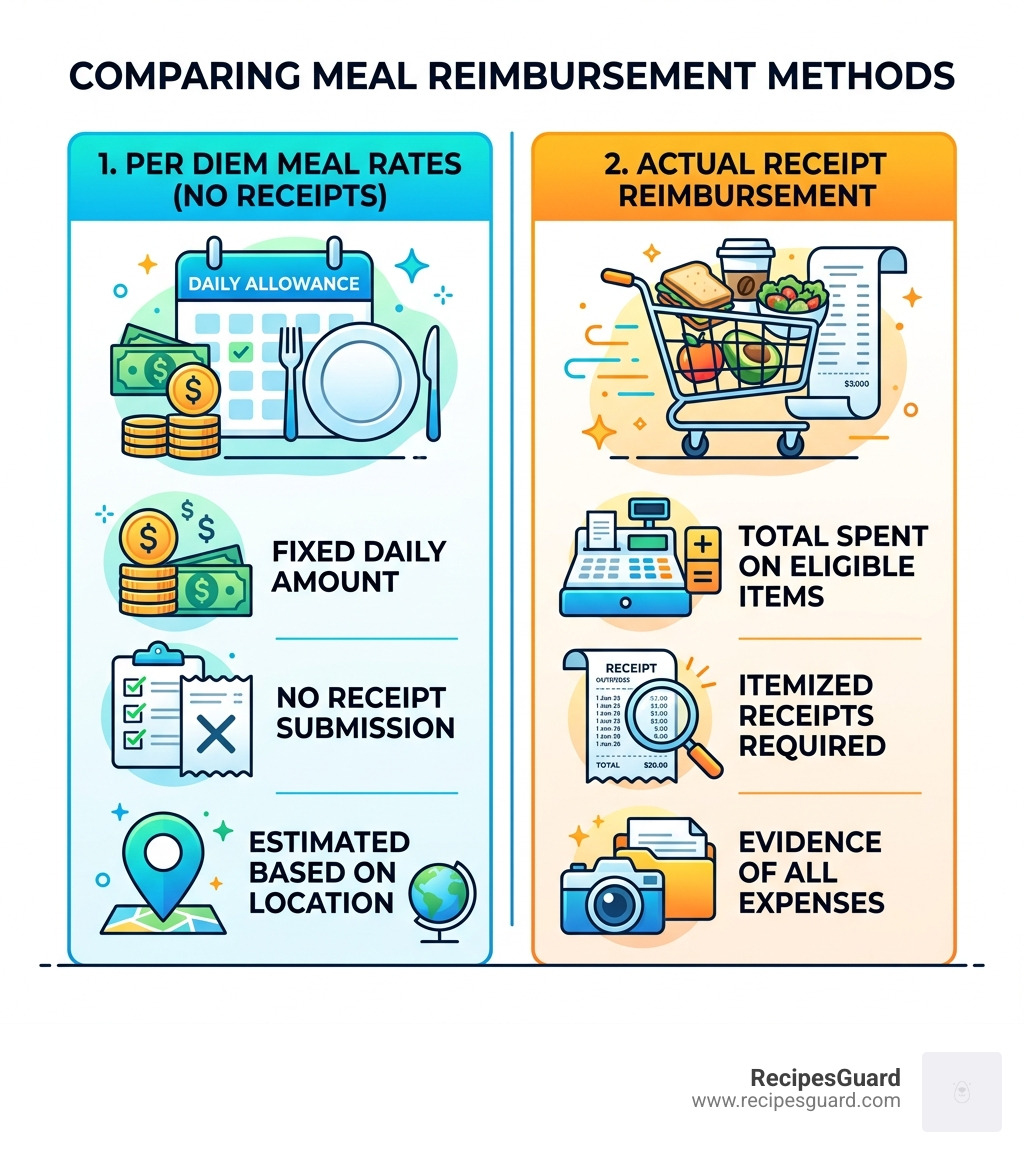
- Anticipated Expenses: Don’t just guess. Use the GSA per diem rates for domestic travel or U.S. Department of State rates for international trips to estimate meal costs.
- Cash Advances: If you know you’ll be in a spot where cards aren’t accepted, you can request a cash advance within the system. Do this at least 10–21 days before you leave.
- Approval Workflow: Once you hit submit, you can track who has the request. If it’s sitting on a professor’s desk for a week, give them a polite nudge!
Converting Requests to Expense Reports
You’ve returned home, you’re tired, but the clock is ticking. Most policies require you to submit your final report within 30 to 60 days.
To start, go to your approved Travel Request and click “Create Expense Report.” This links the two, proving that your spending was authorized. The “Report Header” will pull in most of the info, but make sure the “Trip Purpose” is clear—auditors love a good “story” about why this trip benefited your research or studies.
Mastering Receipts, Itemization, and Mileage for a Flawless Claim
This is where most students get stuck. A “receipt” isn’t just a piece of paper; it needs to be an itemized document. A credit card slip that just shows a total of $50 is usually not enough. You need the receipt that shows you had a sandwich, a coffee, and a salad.
| Expense Type | Documentation Needed | Pro Tip |
|---|---|---|
| Airfare | Final itinerary + proof of payment | Must be Economy class (no first-class upgrades!). |
| Lodging | Itemized folio (the bill under the door) | Must show $0 balance and be itemized night-by-night. |
| Meals | Per Diem (no receipt) OR Actuals | Check your university policy; many prefer per diems. |
| Mileage | Google Maps or Concur Map link | Use the built-in calculator to avoid “guessing” distances. |
For students studying abroad, there are specific forms and rules to follow, such as the Claim for reimbursement of travelling expenses for study periods abroad 2025-2026, which helps track those specific international costs.
Handling Documentation and Missing Receipts
We’ve all been there: a receipt falls out of your pocket in a taxi in Rome. If you lose a receipt, don’t panic, but don’t ignore it either.
- Missing Receipt Declaration: Most systems have a built-in digital affidavit. You sign it, promising you actually spent the money for business purposes.
- Capture as You Go: Use the Concur mobile app to take a photo of the receipt the second the waiter hands it to you. Once it’s in the cloud, you can lose the paper version.
- Emailing: Forward your digital receipts (Uber, Airbnb, Airlines) to
receipts@concur.com.
Managing Report Status and Edits
After you hit “Submit,” your job isn’t quite done. You need to track the status.
- Submitted: It’s in the hands of the gods (and the accounting department).
- Sent Back: This means there’s an error. Maybe you forgot to itemize a hotel tax. Fix it and resubmit immediately.
- Recalling: If you realize you forgot a $20 parking fee after you hit submit, you can “Recall” the report, add the expense, and send it again—provided the approver hasn’t signed off yet.
Filing External Health and Emergency Insurance Claims
Sometimes, the university system isn’t enough. If you get sick or have an accident, you’re dealing with an insurance provider. This is a different beast entirely.
In Australia, international students often have OSHC (Overseas Student Health Cover), but for travel outside your study zone, you need a dedicated travel policy. If an emergency happens, your first call shouldn’t be your parents—it should be the 24-hour assistance line (like Medi-Assist) listed on your insurance card.
Claiming for Study Abroad and Medical Costs
When filing for medical costs, the “24-Hour Rule” is vital. If you lose your passport or are a victim of theft, you must file a police report within 24 hours. Without that official paper, your insurance claim will almost certainly be denied.
You can often claim for:
- Vaccinations and Visas: If they were mandatory for your study abroad program.
- Medical Insurance Portion: Some grants allow you to claim back the health portion of your travel insurance premium (often around 40%).
- Financial Assistance: In extreme cases, insurers can wire you emergency cash if your cards are stolen.
Navigating Policy Compliance and Per Diems
Compliance sounds boring, but it’s the difference between getting paid and being out of pocket. Universities follow “Most Economical Travel” rules. This means if you decide to take a luxury train when a standard bus was available, they might only reimburse you for the bus fare.
In April 2026, the standard mileage rate has adjusted to $0.725 per mile (or the local Australian equivalent). Always use the system’s built-in calculators to ensure you’re using the current fiscal year’s rates.
Pro Tips for Managing Delegates and Policy Compliance
If you are a busy PhD student or researcher, you might not have time to fiddle with every receipt. You can set up an Expense Delegate. This is someone (like a department admin) who can log in as you and prepare your reports.
To do this:
- Go to Profile Settings > Expense Delegates.
- Click “Add” and search for the person’s name.
- Check the boxes for “Can Prepare” and “Can View Receipts.”
- Important: They cannot hit “Submit” for you. You must log in, review their work, and hit the final submit button to legally attest that the expenses are valid.
Frequently Asked Questions about Student Travel Claims
What should I do if I lose an original receipt for a major expense?
For major expenses like airfare or hotels, a “Missing Receipt Declaration” is usually not enough. You should contact the airline or hotel directly to request a duplicate “Folio” or invoice. Most will email it to you within minutes. Only use the affidavit for small items like taxis or street food where a duplicate is impossible.
How do I set up a delegate to help manage my travel claims?
Navigate to your Profile Settings in Concur and select “Expense Delegates.” From there, you can add a staff member or assistant. You can choose their permission levels—most students allow delegates to “Prepare” reports and “View Receipts,” but you maintain the final authority to submit.
When is the deadline to submit my expense report after returning?
While some institutions allow up to 60 days, the “Gold Standard” is 30 days. Submitting late can result in your reimbursement being treated as taxable income, or worse, the claim being denied entirely if it reaches the 120-day mark.
Conclusion
Mastering the student travel claim tutorial process isn’t just about getting your money back; it’s about financial responsibility and making sure your focus stays on your studies, not your bank balance. By setting up your profile early, capturing receipts in real-time, and understanding the difference between university reimbursements and insurance claims, you can travel with peace of mind.
At RecipesGuard, we specialize in helping students navigate these complex waters. As an insurance advisory operating in Australia, we know the specific hurdles students face when studying and traveling abroad. Whether you need a tutorial on OSHC or help understanding your university’s latest Concur update, we are here to ensure your claims are successful.
For more expert advice and step-by-step guides, visit More info about student travel services and let us help you protect your journey. Safe travels!

My name is Bianca, and my journey into the world of fermentation and food safety began with a costly mistake. I once lost an entire season’s harvest of chili peppers because I relied on guesswork instead of science. That failure was my turning point.
