
How to claim for adventure activities when things go south
When Adventure Goes Wrong: What You Need to Know About Making a Claim
Claim for adventure activities is something most travelers never think about — until they’re stranded on a mountainside with a broken leg, or watching their surfboard disappear into a reef.
Here’s a quick breakdown of how the process works:
- Get safe and seek medical help — your health comes first
- Call your insurer’s 24/7 emergency hotline — do this before agreeing to any treatment or evacuation
- Document everything — photos, medical reports, operator receipts, witness details
- File your claim — submit all documents along with your policy certificate
- Follow up — respond quickly to any requests for more information
Adventure travel is booming. And so are the injuries that come with it. According to the CDC, nearly 213,000 people are treated in emergency departments every year for outdoor recreational injuries — more than half of them are young people between the ages of 10 and 24.
That’s a lot of interrupted trips. A lot of unexpected hospital bills. And a lot of confused travelers trying to figure out if their insurance actually covers what happened to them.
The problem? Most standard travel insurance plans don’t automatically cover adventure sports. You often need a special add-on, and the rules for what’s covered — and what isn’t — can be surprisingly complex.
The good news: nearly 66% of traveler injuries are preventable, according to researchers. And even when accidents do happen, knowing how to make a proper claim can mean the difference between recovering your costs fully or being left with a bill you weren’t expecting.
This guide walks you through everything — from understanding your coverage before you go, to filing a clean, successful claim after things go wrong.

Understanding Your Coverage: What Counts as an Adventure Activity?
Before you can successfully file a claim for adventure activities, you need to know if your “adventure” actually fits the insurer’s definition. In insurance, activities are often tiered based on risk. A relaxing afternoon of snorkeling is rarely viewed the same way as a technical scuba dive into an underwater cave.
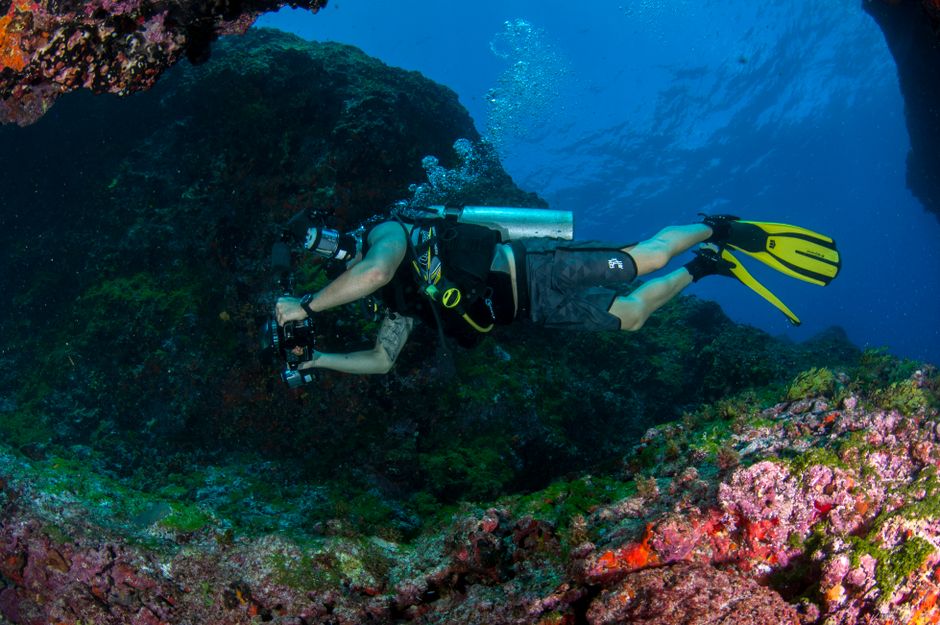
Generally, recreational sports covered under adventure-specific policies include activities like bungee jumping, paragliding, or mountain biking. However, it is vital to check the fine print. Many standard policies exclude anything they deem “hazardous” unless you have specifically added a boost or rider to your plan.
When things go south, the primary benefits you’ll be looking at include:
- Medical Expenses: Coverage for hospital stays, surgeries, and doctor visits resulting from the activity.
- Search and Rescue: Specialized coverage that pays for the cost of finding you if you go missing while hiking or skiing.
- Emergency Evacuation: The logistics of getting you from a remote location to a hospital that can actually treat your specific injury.
Research shows that certain activities carry higher risks than others. According to Scientific research on outdoor recreational injuries, snowboarding accounts for about 25.5% of emergency room visits related to outdoor sports, followed by sledding (10.8%) and hiking (6.3%). If you are planning any of these, ensuring you have travel insurance plans that include adventure sports coverage is not just a good idea—it is a financial necessity.
Common Benefits and Coverage Limits
When we talk about a claim for adventure activities, we are often dealing with high-stakes financial figures. Medical evacuations and repatriation services are not cheap; depending on your location and the severity of your condition, these costs can exceed $250,000.
Most comprehensive adventure plans offer:
- Emergency Medical Evacuation: Often capped at high limits (sometimes up to $1,000,000) to cover helicopters or private medical jets.
- Repatriation: The cost of flying you back to Australia if you are unable to continue your trip due to injury.
- Search and Rescue: Typically capped (e.g., $10,000 over a 6-day period) to cover the costs of professional rescue teams.
It is a sobering thought, but research on preventable traveler injuries suggests that nearly 66% of injuries are avoidable with better planning and education. However, for the other 34%, having high coverage limits is the only thing standing between a full recovery and a lifetime of debt.
How to Add Adventure Boosts to Your Plan
You don’t always have to buy a completely separate “extreme sports” policy. Many modern insurers allow you to customize your base plan. We often see these referred to as “Daily Boosts” or “Adventure Add-ons.”
The beauty of these upgrades is flexibility. If you are on a three-week trip but only spending two days white-water rafting, some plans allow you to activate the adventure coverage only for those specific days. This keeps costs down for students and budget travelers while ensuring you are protected when it matters most. For more details on how these work, check out plans with adventure coverage.
Immediate Steps to Take After an Accident to Secure Your Claim for Adventure Activities
The moments following an accident are chaotic, but they are also the most critical for your future claim for adventure activities. Your priority is safety, but as soon as you are stable, you need to start the “insurance trail.”
If you are in a remote area, an emergency satellite communication device can be a lifesaver. Once you have reached help, you must ensure that a formal report is created. If you were on an organized tour, the operator must provide an incident report. If you were solo, you may need a police report or a statement from witnesses.
The U.S. Department of State advice on overseas medical emergencies highlights that your regular health insurance likely won’t cover you abroad. This makes your travel insurance your primary lifeline. For a deeper dive into the logistics, see the adrenaline junkie’s guide to filing an injury claim.
Contacting Your Insurer’s 24/7 Hotline
This is the golden rule of adventure claims: Call the hotline immediately.
Most insurers require “pre-authorization” for major medical expenses or evacuations. If you agree to a $50,000 helicopter ride without calling them first, they might refuse to pay the full amount later. When you call, the team will:
- Open a Case Number: This is your “ID” for everything related to the incident.
- Triage Your Situation: Their medical experts will speak to the local doctors to determine if the care you are receiving is adequate.
- Arrange Payment: They can often provide “guarantees of payment” to hospitals so you aren’t forced to pay thousands out of pocket upfront.
Following Safety Requirements and Precautions
Your claim for adventure activities can be denied if the insurer determines you were acting recklessly or ignored safety standards. To stay eligible for coverage, you generally must:
- Use Certified Operators: Ensure the company you are with has the proper licenses and international safety certifications.
- Wear Safety Gear: If you weren’t wearing a helmet while mountain biking or a life jacket while rafting, your claim is on thin ice.
- Follow Local Laws: This includes staying within marked boundaries on ski slopes or following the instructions of a qualified guide.
For younger travelers and students, staying safe is about more than just insurance—it’s about trip longevity. We recommend checking out student backpacking safety tips to help minimize these risks before you even leave home.
Essential Documentation for a Successful Claim for Adventure Activities
When you finally submit your claim for adventure activities, the claims handler isn’t looking at your bruised knee—they are looking at your paperwork. If the documentation is missing, the claim stops.
| Document Type | Why You Need It | Medical Claim | Equipment Claim |
|---|---|---|---|
| Medical Certificate | Confirms the injury and treatment | Yes | No |
| Itemized Invoices | Shows exactly what you paid for | Yes | Yes |
| Police/Operator Report | Proves the incident actually happened | Yes | Yes |
| Activity Booking | Shows you were on a recreational trip | Yes | Yes |
| Photos of Damage | Visual proof of the “event” | No | Yes |
Proving Non-Professional Status
A common exclusion in adventure insurance is “professional” participation. If you are an amateur having fun, you are covered. If you are being paid to be there, you probably aren’t.
Insurers usually define a professional as someone who receives sponsorship, appearance fees, or prize money exceeding a certain amount (often around $500). If you are entering a local “fun run” or an amateur surf comp, you are usually fine, but if you are a sponsored athlete, you need specialized commercial insurance. Make sure your claim documentation reflects that you were participating for leisure.
Documenting Equipment Loss or Damage
If your expensive mountain bike or scuba gear is damaged, filing a claim for adventure activities requires proof of ownership and proof of value.
- Original Receipts: You need to show what the item cost when you bought it.
- Damage Photos: Take clear, high-resolution photos of the broken gear.
- Repair Quotes: If the item can be fixed, get a written quote from a professional shop.
That many policies exclude “damage in use.” This means if you crash your bike while riding, the frame might not be covered, but if the bike is stolen from your hotel room, it likely is. For those on a budget, finding value travel insurance for students that includes gear coverage is a smart move.
Common Exclusions and Limitations to Watch Out For
Even with a “boost,” not everything is covered. Insurers have very specific “no-go” zones where a claim for adventure activities will almost certainly be rejected.
Common exclusions include:
- High-Altitude Limits: Many policies only cover hiking up to 3,000 or 4,500 meters. If you go higher without a specific high-altitude rider, you are on your own.
- Excluded Countries: Some regions are deemed too high-risk for search and rescue teams to operate safely.
- Extreme Sports: Activities like wingsuit flying, base jumping, or “running of the bulls” are often excluded from even the most robust adventure plans because the risk of a fatal incident is too high.
Research on health risks for adventure travelers notes that risks like acute mountain sickness or decompression illness are common but often ignored by travelers until it is too late. For more on navigating these tricky exclusions, see student travel insurance options.
Alcohol and Substance Exclusions
This is a big one. If you have an accident while paragliding and the hospital blood test shows you were over the legal limit for alcohol, your claim for adventure activities will be denied instantly. Insurers view alcohol as a “voluntary increase in risk.” Even one or two “liquid courage” drinks before a bungee jump can invalidate your entire policy.
Unlicensed Activities and Geographical Restrictions
If your adventure involves a motor—like riding a dirt bike through the bush—you must have a valid Australian license for that specific class of vehicle. If you aren’t licensed to ride a 250cc bike at home, you aren’t covered to ride one abroad.
Geographical restrictions also apply to search and rescue. Some policies will not pay for rescue if you have ignored local authorities’ weather warnings or entered “closed” areas.
Frequently Asked Questions about Adventure Claims
How much does adventure travel insurance cost?
The premium for adventure coverage depends on several factors:
- Age: Older travelers often pay more due to higher medical risks.
- Destination: Remote areas with expensive evacuation costs (like Nepal or remote parts of South America) increase the price.
- Activity Level: A “Standard” adventure pack is cheaper than an “Extreme” pack that covers things like skydiving.
- Duration: The longer the trip, the higher the risk.
Can I add coverage while I am already on my trip?
Yes, some modern providers allow you to add an “Adventure Boost” via an app while you are already traveling. However, be aware of waiting periods. You usually cannot buy the insurance while standing at the edge of a cliff and expect it to cover you five minutes later. There is often a 48-72 hour waiting period for new benefits to kick in.
Does my claim for adventure activities cover equipment?
Usually, yes—but with caveats. Most adventure plans cover “Activity Equipment” if it is lost, stolen, or damaged by a carrier. However, as mentioned earlier, many exclude “damage in use.” If you snap your skis while skiing, that is often considered “wear and tear” or “operator error” rather than an insurable event. Always check if your policy covers “theft vs. accidental damage.”
Conclusion
At RecipesGuard, we know that the best parts of travel often happen off the beaten path. Whether you are trekking through the Tasmanian wilderness or surfing in Indonesia, adventure is what makes the trip memorable. But a single accident shouldn’t result in a decade of medical debt.
By understanding how to properly file a claim for adventure activities, keeping your documentation organized, and always calling your insurer first, you can focus on the adrenaline instead of the anxiety. We specialize in student-focused advice and step-by-step claim filing tutorials to ensure you have the support you need when things go south.
Ready to secure your next trip? Get started with a secure travel plan and explore the world with true peace of mind.

My name is Bianca, and my journey into the world of fermentation and food safety began with a costly mistake. I once lost an entire season’s harvest of chili peppers because I relied on guesswork instead of science. That failure was my turning point.
