
Brace Yourself for Your Overseas Dental Claim
What to Do When You Need an Emergency Dental Claim Abroad
Making an emergency dental claim abroad is something most students never think about – until a cracked tooth or screaming toothache hits in the middle of a trip.
Here is a quick answer to get you started:
How to file an emergency dental claim abroad (quick steps):
- Get treatment immediately – don’t wait, especially for knocked-out teeth or infections
- Pay the dentist upfront – most international dentists require this
- Get an itemized receipt – it must include treatment details, tooth number, and date
- Have documents translated into English if they are in another language
- Download and complete your insurer’s claim form (check your insurer’s website)
- Submit your claim within the deadline – many insurers require this within 60 days of treatment
Picture this: you are studying abroad, finally settling in, and then you wake up with an agonizing toothache – or worse, you slip and knock out a tooth. Suddenly you are in an unfamiliar country, unsure which dentist to trust, and wondering if your insurance will even pay for any of it.
It is a stressful situation. But the good news is that many travel and dental insurance plans do cover genuine dental emergencies abroad – if you follow the right steps.
The tricky part? Coverage limits vary widely between policies, and getting reimbursed means doing the paperwork correctly.
This guide walks you through exactly what to do – step by step.

Emergency dental claim abroad terms you need:
Defining a Covered Emergency Dental Claim Abroad
When we talk about an emergency dental claim abroad, it is vital to distinguish between “I want my teeth whitened while I’m in Bali” and “I just bit into a baguette in Paris and my molar snapped in half.” Insurance companies are very specific about what they consider an emergency.
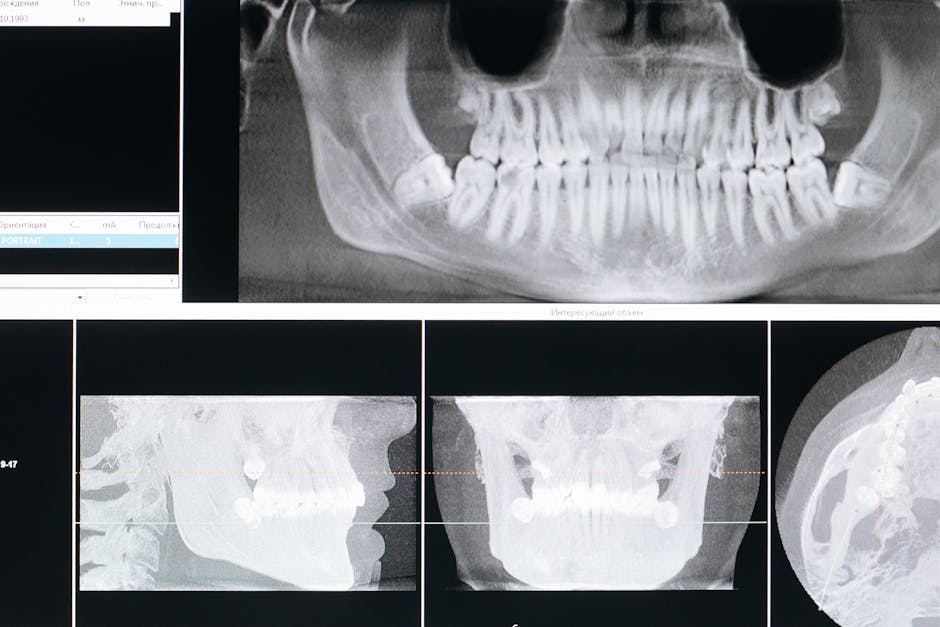
Generally, a covered emergency involves sudden, unexpected pain or injury that requires immediate attention to prevent further damage or alleviate severe distress. According to Emergency Treatment Standards, this typically includes:
- Severe Infections: Abscesses or infections that cause swelling and fever.
- Tooth Trauma: Teeth that have been knocked out (avulsed), loosened (luxated), or fractured.
- Intense Pain: Sudden, debilitating toothaches that cannot wait until you return home.
- Diagnostic Exams: The X-rays and consultations necessary to figure out why you are in agony.
It is important to have a solid understanding of medical emergency coverage in student travel insurance before you fly. Most policies focus on “palliative” treatment—meaning they will pay to stop the pain or stabilize the tooth, but they might not pay for the fancy permanent crown you get three weeks later.
Common Scenarios for an Emergency Dental Claim Abroad
What does this look like in the real world? We’ve seen students deal with everything from sports injuries to culinary mishaps. Common scenarios that usually qualify for a claim include:
- The “Gummy Bear” Incident: Losing a crown or filling to a particularly sticky piece of candy (it happens more often than you’d think!).
- The “Cobblestone Trip”: Falling while sightseeing and chipping a front tooth.
- The Sudden Abscess: An infection that flares up overnight, causing facial swelling.
- The Sporting Accident: Getting hit in the mouth during a casual game of beach volleyball.
If you are unsure where to turn, tools like the Global Dental Organization Search can help you find reputable dental associations in your host country.
What is Typically Excluded from Coverage
Knowing what isn’t covered is just as important as knowing what is. If you try to file an emergency dental claim abroad for any of the following, expect a swift rejection:
- Routine Care: Cleanings, check-ups, and fluoride treatments.
- Dental Tourism: If you traveled specifically to get cheap veneers or implants, your travel insurance will not cover complications.
- Pre-existing Conditions: If your dentist told you six months ago that you needed a root canal and you waited until you were in Rome to deal with it, you’re likely on your own.
- High-Risk Sports: Unless you have a specific rider, injuries from professional sports or extreme activities might be excluded.
For those on a budget, looking into cheap student travel insurance with essential dental coverage can provide a safety net for the basics without breaking the bank.
Immediate Steps to Take During a Dental Crisis
When the pain hits, panic often follows. Take a deep breath. Your first priority is your health, then the paperwork.
If a tooth is knocked out, time is of the essence. You have a tiny 30 to 40-minute window to potentially save the tooth. Here is your immediate first-aid checklist:
- Handle with Care: Pick up a knocked-out tooth by the crown (the top), never the root.
- Keep it Moist: If possible, gently place the tooth back in the socket. If not, store it in a small container of milk or even your own saliva. Do not use plain tap water, as it can damage the root cells.
- Control Bleeding: Use clean gauze and firm pressure.
- Cold Compress: Apply ice to the outside of your cheek to keep swelling down.
Next, call your insurance provider’s 24-hour assistance line. They can provide translation services if you are in a country where you don’t speak the language and can often point you toward a vetted clinic. For more tips, check our guide on student insurance tips for medical emergencies abroad.
Finding a Qualified Dentist Overseas
Finding a dentist you trust in a foreign city can feel like a gamble. We recommend these reliable methods:
- Insurance Referral Services: Many providers offer an international care guide or 24/7 referral support.
- The Hotel Concierge: They often have a list of local English-speaking doctors and dentists used by international guests.
- Local Embassies: Most embassies maintain a list of medical providers that cater to expats and travelers.
- Assistance Apps: Many modern insurers have apps that use GPS to find the nearest approved provider.
How to Successfully File Your Emergency Dental Claim Abroad
This is where the “how-to” part gets real. Most international dental providers will expect upfront payment. Unlike your doctor at home, they likely won’t bill your insurance company in Australia or the US directly.
| Feature | Upfront Payment (Most Common) | Direct Insurance Billing (Rare) |
|---|---|---|
| Who Pays? | You pay the dentist at the time of service. | The insurance company pays the dentist. |
| Documentation | You must collect every receipt and form. | The clinic handles most of the paperwork. |
| Currency | You pay in local currency (Euro, Yen, etc.). | Handled by the insurer. |
| Reimbursement | You file a claim to get your money back. | No reimbursement needed. |
To ensure you aren’t left out of pocket, follow our step-by-step guide to filing a travel insurance claim as a student. Most claims are reimbursed in your home currency, but you’ll be paying in local currency. Keep a record of the exchange rate on the day of treatment!
Essential Documentation for an Emergency Dental Claim Abroad
Without the right paper trail, your claim is just a story. You need “proof.” Before you leave the dental office, ensure you have:
- Itemized Receipts: A simple credit card slip isn’t enough. You need a document that lists exactly what was done (e.g., “Emergency extraction,” “X-ray,” “Palliative filling”).
- Tooth Numbers: Insurers want to know exactly which tooth was treated.
- Diagnosis Statement: A brief note from the dentist explaining why the treatment was an emergency.
- English Translations: If the receipt is in Thai or Italian, your insurer might require a certified translation. Some companies provide this service, but others expect you to handle it.
- Proof of Travel: Keep your boarding passes or flight itinerary to prove the emergency happened during your covered trip dates.
Some modern providers offer an Overseas Online Claim Submission tool, which allows you to upload photos of these documents directly from your phone. This is a lifesaver for students who tend to lose paper receipts in their backpacks! For a full list of what you’ll need, see what documents students need for travel insurance claims.
Navigating the Reimbursement Process for an Emergency Dental Claim Abroad
Once you’ve submitted your emergency dental claim abroad, the waiting game begins. Here is what you need to watch out for:
- Benefit Limits: Many plans have a “sub-limit” for dental. For example, a plan might cover $50,000 in medical but only $750 for dental. If your bill is $1,000, you are responsible for the $250 difference.
- The 60-Day Rule: Many insurers, like Denplan, require you to submit your claim within 60 days of the treatment. If you wait until the end of a semester-long trip to file, you might be too late. Use the Denplan Overseas Claim Form or your specific provider’s equivalent as soon as you are stable.
- Out-of-Network Rates: Since almost all international dentists are “out-of-network,” your insurer might only reimburse you up to a “reasonable and customary” amount.
- Follow-up Care: Usually, insurance only covers the initial emergency visit. If you need a follow-up appointment to check the healing, check if your plan offers a “follow-up” window (some Atlas plans offer up to 90 days).
Finding affordable emergency medical coverage for students that includes generous dental limits is one of the best ways to avoid these headaches.
Coverage Limits and Regional Considerations
Where you are traveling matters. If you are an Australian student traveling in Europe, or a European student in Australia, you might have access to Reciprocal Health Care Agreements.
In Europe, the EHIC (European Health Insurance Card) can sometimes be used for dental emergencies, but coverage is often very restricted. It typically only covers what a local citizen would get for free or at a reduced cost. In many countries, dental care is private even for locals, meaning the EHIC might not help much.
Some insurers and national health plans may also cap emergency dental reimbursement abroad at a fixed yearly amount. Always check your own policy wording and whether your destination has a high cost of living. A dental bill in Switzerland will look very different from one in Vietnam!
We always recommend cheap student travel insurance with dental coverage as a secondary layer of protection, even if you have an EHIC or are traveling to a country with reciprocal care.
Frequently Asked Questions about Dental Claims
Does travel insurance cover routine check-ups or cleanings?
No. Travel insurance is designed for “unforeseen” events. A cleaning is a planned, maintenance procedure. If you want your teeth cleaned abroad, you will have to pay for it entirely out of pocket.
Can I use my EHIC for dental work in Europe?
Yes, but with caveats. It only works at “statutory” (state-contracted) dentists, and it only covers “medically necessary” treatment. In many EU countries, dental care involves a co-payment that the EHIC does not cover.
What should I do if the dentist doesn’t speak English?
Use your insurance provider’s 24-hour assistance line. They often have interpreters who can get on a three-way call with you and the dentist to explain your symptoms and understand the treatment plan. You can also use translation apps, but for medical consent, the insurance assistance line is much safer.
Conclusion
Dealing with a dental disaster in a foreign country is enough to ruin any trip, but it doesn’t have to ruin your bank account. By understanding what qualifies as an emergency dental claim abroad, keeping a meticulous paper trail, and acting quickly, you can ensure you get the reimbursement you deserve.
At RecipesGuard, we specialize in making these complex processes simple for students. Whether you are navigating the nuances of “reasonable and customary” charges or just trying to find a claim form that isn’t in German, we are here to help.
Don’t wait until you’re holding a bag of ice to your face to learn how your policy works. Review your limits today, save your insurer’s emergency number in your phone, and pack a small dental kit with some gauze and clove oil just in case.
Ready to find the right protection for your next semester abroad? Secure your travel protection with RecipesGuard and travel with the confidence that we’ve got your back—and your teeth!

My name is Bianca, and my journey into the world of fermentation and food safety began with a costly mistake. I once lost an entire season’s harvest of chili peppers because I relied on guesswork instead of science. That failure was my turning point.
