
Mastering the Student Insurance Claim Process Step by Step
Why the Insurance Claim Process Student Guide Matters in 2026
The insurance claim process student experience doesn’t have to be overwhelming — here’s the quick version:
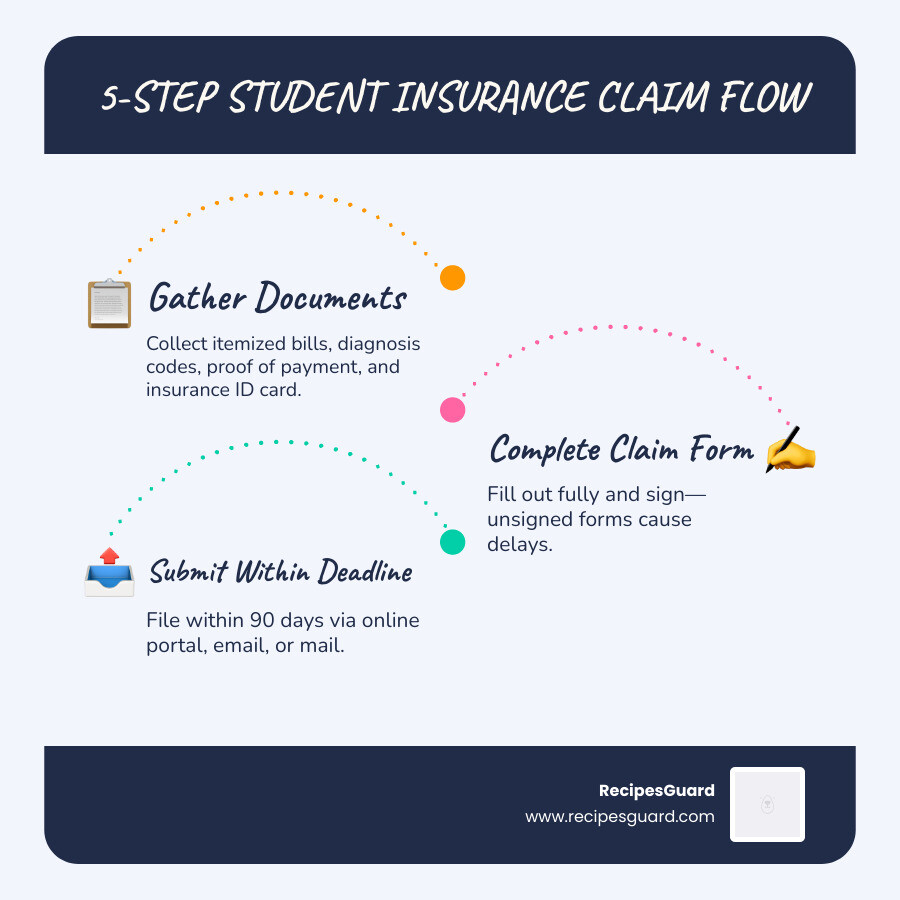
How to file a student insurance claim (5 steps):
- Gather documents — itemized bills, diagnosis codes, proof of payment, and your insurance ID card
- Complete the claim form — fill it out fully and sign it (unsigned forms cause delays)
- Submit within the deadline — typically within 90 days of your medical service
- Choose your submission method — online portal, email, or mail
- Track your claim — log into your provider portal and watch for your Explanation of Benefits (EOB)
Filing a claim sounds simple. But for most students — especially those studying abroad or dealing with a medical emergency for the first time — the process is full of small traps.
Wrong form. Missing code. Expired deadline. Claim denied.
The reality is that even minor errors like a missing diagnosis code or an unsigned form can push your reimbursement back by weeks. And when you’re managing tuition, housing, and coursework at the same time, chasing a delayed claim is the last thing you need.
Whether you’re covered through a private provider or a university-backed plan, the core steps are similar — but the details vary enough to matter. This guide walks you through every stage, from the documents you’ll need to what to do if your claim gets denied.
Quick insurance claim process student definitions:
- insurance payout student travel
- student elective claim overseas
- student travel claim success
Essential Documents for Your Insurance Claim Process Student Guide
Before you even log into a portal, you need to have your “paperwork ducks” in a row. In May 2026, most insurers have moved to digital-first systems, but the data they require hasn’t changed. If you submit a simple receipt from a cash register, your claim will likely be rejected.
Itemized Bills: The Gold Standard
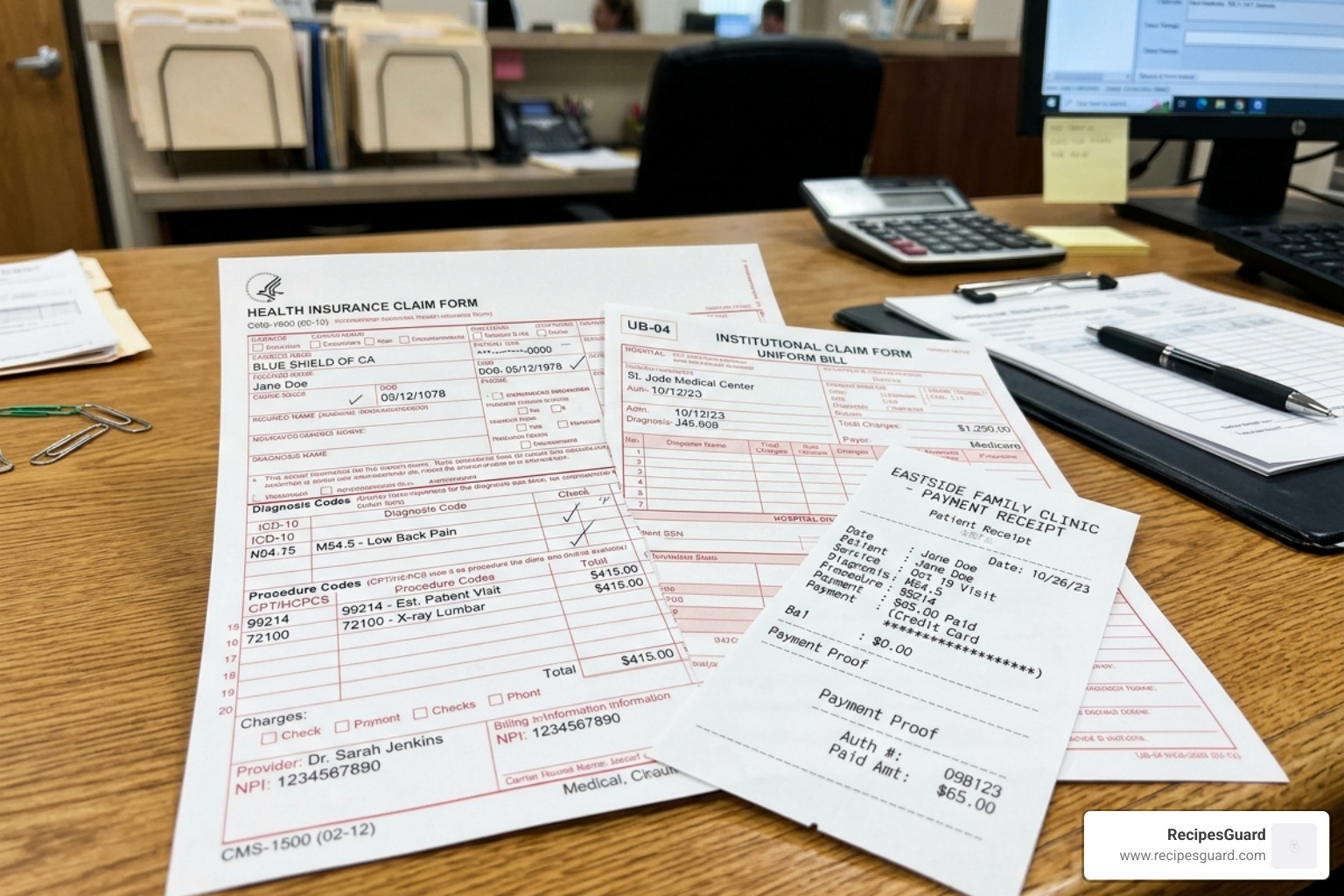
In student insurance, a “bill” isn’t just a piece of paper saying you owe money. You need an itemized bill. For those in the US or using US-based student plans, these are often referred to as CMS1500 forms (for physicians) or UB04 forms (for hospitals).
Your itemized bill must include:
- Diagnosis Codes (ICD-10): These tell the insurer why you were treated. These are standardized codes used globally; you can find more information on the World Health Organization website.
- Procedure Codes (CPT/HCPCS): These tell the insurer exactly what the doctor did.
- Provider Tax ID: The unique identifier for the clinic or hospital.
- Date of Service: When the visit actually happened.
- Total Charges: The full cost before any insurance adjustments.
Proof of Payment
If you paid out-of-pocket, you need to prove it. A credit card statement is usually sufficient, but it must clearly show the provider’s name and the amount. If you paid via a student account at your university health center, a screenshot of the account ledger showing the specific transaction is often required.
For a deeper dive into organizing these files, check out The Ultimate Student Guide to Navigating Insurance Claims.
Navigating In-Network vs. Out-of-Network Requirements
One of the biggest factors in the insurance claim process student timeline is whether you stayed “in-network.”
- In-Network Providers: These doctors have a contract with your insurance company. Usually, you just show your insurance ID card, pay your co-pay, and they handle the rest. You typically have a 120-day window for these claims to be filed, but the provider does the heavy lifting.
- Out-of-Network Providers: If you see a specialist who doesn’t accept your insurance, you’ll likely have to pay the full amount upfront. You then have a 12-month window to submit a reimbursement claim. This is the “reimbursement model” where you become the administrator of your own claim.
To make this easier, we’ve broken it down further in Mastering the Student Medical Claim Process in 5 Easy Steps.
Coordination of Benefits and Primary Insurance
If you are lucky enough to have two insurance plans (for example, your university plan and your parents’ plan), you must deal with “Coordination of Benefits.”
Insurers will ask you to fill out an Other Insurance Questionnaire. Even if you don’t have other insurance, many providers require you to sign a statement confirming this. If you do have primary insurance, you must bill them first. Once they pay, you’ll receive an Explanation of Benefits (EOB). You then submit that EOB along with your itemized bills to your secondary student insurance.
For more on the sequence of these steps, see The Ultimate Student Guide to Insurance Claim Steps.
Step-by-Step: How to File an Insurance Claim Process Student Tutorial
Now that you have your documents, it’s time to actually file. Most major providers prefer digital submissions, but the manual options still exist.
1. Obtain the Correct Claim Form
Don’t just use any form. Go to your provider’s website and log into your secure member portal. Download the specific form for your policy year. Ensure you complete the Student’s Statement section and, if required, have your doctor fill out the Physician’s Statement.
2. Digital vs. Paper Submission
- Online Portals: This is the fastest method. You log in, navigate to “Messages” or “Submit a Claim,” and upload your PDFs.
- Email: Some insurers allow you to email scanned documents. Always use a clear subject line like “New Claim – [Your Name] – [Policy Number].”
- Postal Mail: If you must mail your claim, never send originals. Send copies and use a paperclip — never staple documents, as it interferes with the insurer’s scanning machines.
3. The Signature Requirement
It sounds old-school, but an unsigned claim form is the #1 reason for delays. If the form requires a physical signature, print it, sign it, and scan it back in. Digital signatures are becoming more common in May 2026, but check your specific policy rules first.
For a simplified walkthrough, read The Simple Student Tutorial for Filing Any Insurance Claim.

Handling Special Claims: Tuition, Prescription, and Baggage
The insurance claim process student isn’t just about doctor visits. Sometimes, life throws a curveball that affects your studies or your stuff.
- Tuition Insurance: If you have to withdraw from school for a medical reason, tuition insurance can reimburse your non-refundable fees. There is often a $10,000 lifetime limit for these benefits. You’ll need a detailed Physician’s Statement confirming the medical necessity of your withdrawal.
- Prescription Reimbursement: If you pay for medicine at a pharmacy, keep the detailed pharmacy receipt (the one with the drug name and dosage), not just the cash register receipt.
- Baggage and Theft: If your laptop is stolen or your bags are lost, you must act fast. Most policies require a police report filed within 24 hours of discovery. For lost baggage, you need a Property Irregularity Report (PIR) from the airline. These claims often have a much tighter submission window — sometimes as short as 15 days.
Pre-approval Processes for Specialists and Optical Care
Some services require a “green light” before you go. This is called pre-approval or prior authorization.
- Specialists: If you need to see a dermatologist or an orthopedic surgeon, check if your plan requires a referral from your primary doctor first.
- Optical Care: Many student plans cover one pair of glasses or contacts per year if your vision changes. However, you often need to get pre-approval, which can take 3-5 working days to process.
- Direct Billing: Some specialists in Australia or through international plans allow for direct billing if you get pre-approval, meaning you don’t have to pay anything upfront.
Understanding Timelines and Submission Deadlines
Time is your enemy in the insurance world. If you miss a deadline, the insurer is legally allowed to refuse payment, regardless of how valid the medical need was.
| Claim Type | Submission Deadline | Processing Time | Reimbursement Cycle |
|---|---|---|---|
| Medical (In-Network) | 120 Days | 10-20 Business Days | 4-6 Weeks |
| Medical (Out-of-Network) | 90 Days to 12 Months | 10-20 Business Days | 4-6 Weeks |
| Non-Medical (Theft/Loss) | 15 Days | 20-30 Business Days | 6-8 Weeks |
| Tuition Withdrawal | End of Semester | 30 Business Days | Varies |
Generally, we recommend submitting everything within 90 days of the service date to be safe. Once received, most student insurers take about 10-20 business days to review the file. If you haven’t heard anything after 4 weeks, it’s time to follow up.
Learn more about managing your money during this wait in From Forms to Funds: A Student Guide to Insurance Reimbursement.
Managing Your Insurance Claim Process Student Status and Appeals
The process doesn’t end when you hit “submit.” You need to be proactive.
Portal Tracking
Log into your account weekly. Look for the status of your claim. Common statuses include:
- Received/Pending: They have it, but haven’t looked yet.
- In Review: An adjuster is looking at the codes.
- Pending Info: They need something from you (usually a missing code or proof of payment).
- Processed/Paid: The check is in the mail (or the direct deposit is on its way).
The Appeals Process
If your claim is denied, don’t panic. Denials happen for silly reasons like a typo in your policy number. You typically have a 180-day window to file an appeal.
- Read the EOB: The Explanation of Benefits will have a “Reason Code” explaining the denial.
- Gather Evidence: Get a letter from your doctor or additional medical records.
- Submit the Appeal: Most insurers have a specific “Member Complaint and Appeal Form.” Once submitted, the insurer usually has 60 days to make a final determination.
For tips on speeding this up, see The Fast Track to Easy Online Student Claim Submission.
Frequently Asked Questions about Student Claims
What are the most common reasons for claim delays?
The most frequent culprits are unsigned forms and missing diagnosis codes. If the clinic sends a bill that just says “Medical Service” without a CPT or ICD-10 code, the insurance computer won’t know how to process it. Another common issue is Coordination of Benefits — the insurer thinks you might have another plan and is waiting for you to confirm you don’t.
How do I handle claims for study abroad accidents?
If you’re studying in Sweden or Australia, the process might involve university coordinators. For example, in Sweden, accidents during study hours are often reported through the IA system. For non-routine healthcare, you’ll likely need to fill out a Student IN or FAS+ form, have your program coordinator sign it, and then send it to the national insurance body (like Kammarkollegiet). Always keep copies of international receipts!
Check out our guide on How to Successfully Claim Your Overseas Student Insurance for more international tips.
Can I submit my claim through a mobile app?
Yes! By May 2026, almost all major providers have apps that allow you to scan documents with your phone camera. This is often the best way to handle claims because the app will alert you in real-time if a photo is too blurry or if a field is missing. It also gives you access to a Digital ID card, which you can show doctors to ensure they have the right billing info from the start.
For more on digital tools, read How to Master the Student Travel Claim Process.
Conclusion
Mastering the insurance claim process student journey is all about being organized and acting fast. At RecipesGuard, we know that as a student, your time is your most valuable asset. By following this step-by-step guide — gathering itemized bills, meeting the 90-day deadline, and tracking your status online — you can ensure that you get your money back without the headache.
If a claim gets stuck, don’t be afraid to pick up the phone. Sometimes a five-minute call to Member Services can clear up a “Pending Info” status that would otherwise sit for weeks.
Stay safe, stay covered, and keep those receipts! For more student-focused insurance advice, explore our full category of insurance guides.

My name is Bianca, and my journey into the world of fermentation and food safety began with a costly mistake. I once lost an entire season’s harvest of chili peppers because I relied on guesswork instead of science. That failure was my turning point.
