
The Student Elective Claim Overseas: Your Ticket to Reimbursement
Understanding Overseas Student Electives and Insurance Needs
An overseas elective is often the highlight of a medical or nursing degree. It is a period of study where students choose a clinical placement outside their home country to experience different healthcare systems, apply their skills in new environments, and gain a global perspective on health.
While the primary purposes include skill application and global networking, these trips come with unique financial and health risks. Unlike a standard holiday, you are entering a clinical environment where the stakes are higher. You might be exposed to resource-poor settings or different medical standards, which increases the likelihood of needing to file a student elective claim overseas.
Primary Purposes of Overseas Placements
Students typically pursue Overseas Medical Electives to:
- Apply Skills: Move from theory to practice in diverse clinical settings.
- Global Networking: Connect with peers and mentors from around the world.
- Academic Growth: Broaden knowledge of tropical medicine, infectious diseases, or healthcare delivery in different cultures.
- Cultural Immersion: Understand how cultural beliefs impact patient care and health outcomes.
The About the electives scheme pages from major universities emphasize that these placements are competitive and require rigorous planning to ensure they meet academic requirements.
Essential Insurance Types for Students
You cannot rely on a single policy for an elective. We recommend a “belt and braces” approach involving two distinct types of protection.
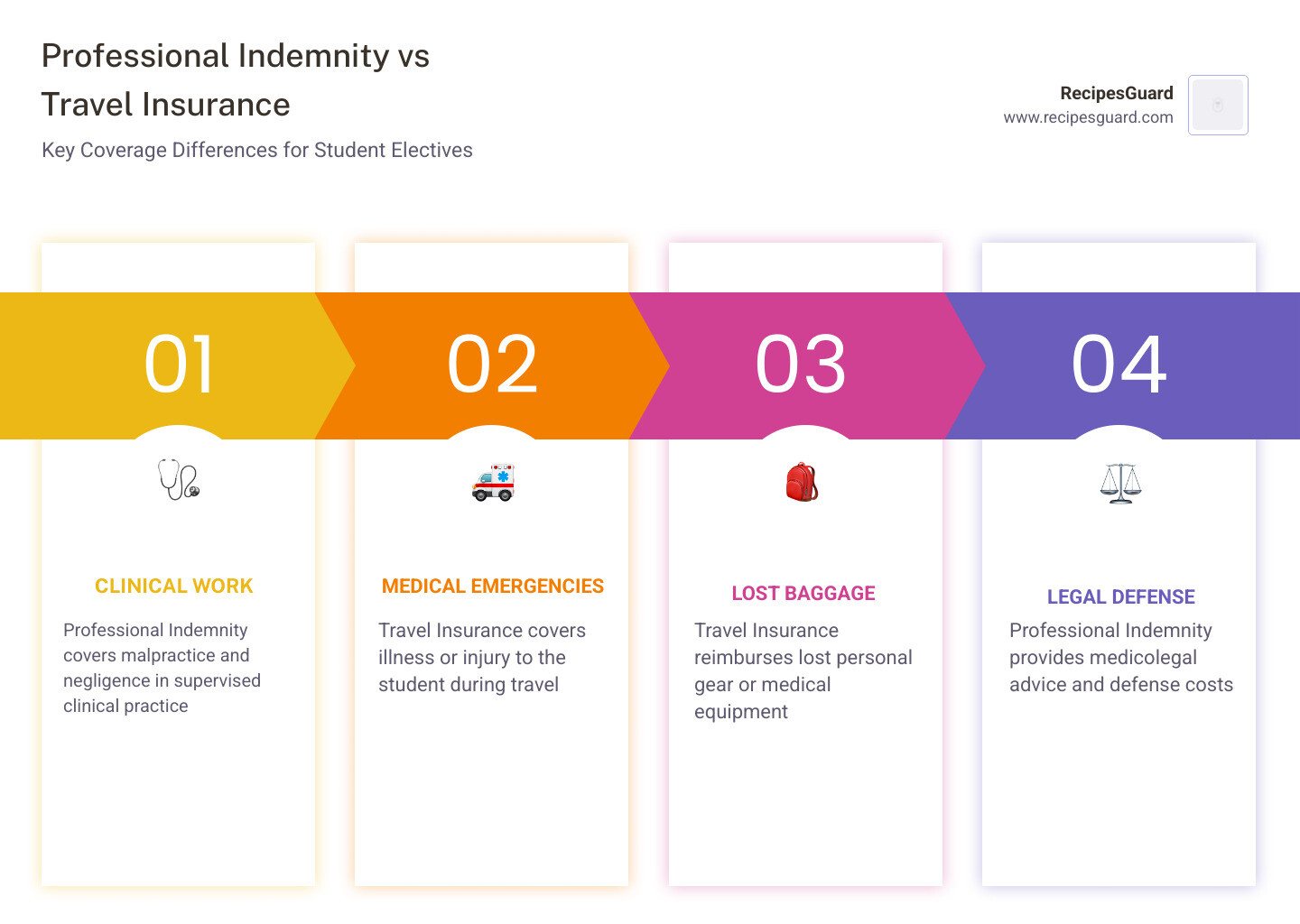
| Feature | Professional Indemnity | Travel Insurance |
|---|---|---|
| Covers Clinical Work? | Yes (Malpractice/Negligence) | No (Usually excluded) |
| Medical Emergencies? | No | Yes (Illness/Injury to you) |
| Lost Baggage/Gear? | No | Yes |
| Legal Defense? | Yes (Medicolegal issues) | No |
| Evacuation? | No | Yes |
Essential Coverage: Professional Indemnity vs. Travel Insurance
One of the most common mistakes we see at RecipesGuard is students assuming their travel insurance covers them while they are suturing a wound or assisting in surgery. It almost never does.
For a successful student elective claim overseas related to your clinical work, you need professional indemnity (often called elective protection). This covers you for clinical challenges and medicolegal issues. On the other hand, travel insurance covers you as a “traveller”—dealing with cancelled flights, stolen laptops, or if you catch a fever yourself.
Professional Indemnity Requirements
Most host institutions require proof of indemnity before you step onto the ward. According to Medical Student Elective | Student Elective | Medical Elective | Elective Indemnity | Indemnity For Your Elective, coverage is usually contingent on:
- University Authorization: Your Dean must approve the placement.
- Supervision: You must be supervised by a qualified medical practitioner.
- Competence: You must work within your level of training (don’t try to be a lead surgeon as a third-year student!).
Organizations like Electives offer specific protection that includes access to 24/7 medicolegal advice, which is vital if an ethical or legal dilemma arises while you’re abroad.
Travel Insurance for Clinical Settings
While indemnity covers the patient, travel insurance covers you. Look for policies that include:
- Exam Re-sits: Some specialized elective policies allow you to claim if you have to cancel your trip because you failed an exam and need to stay home to re-sit it.
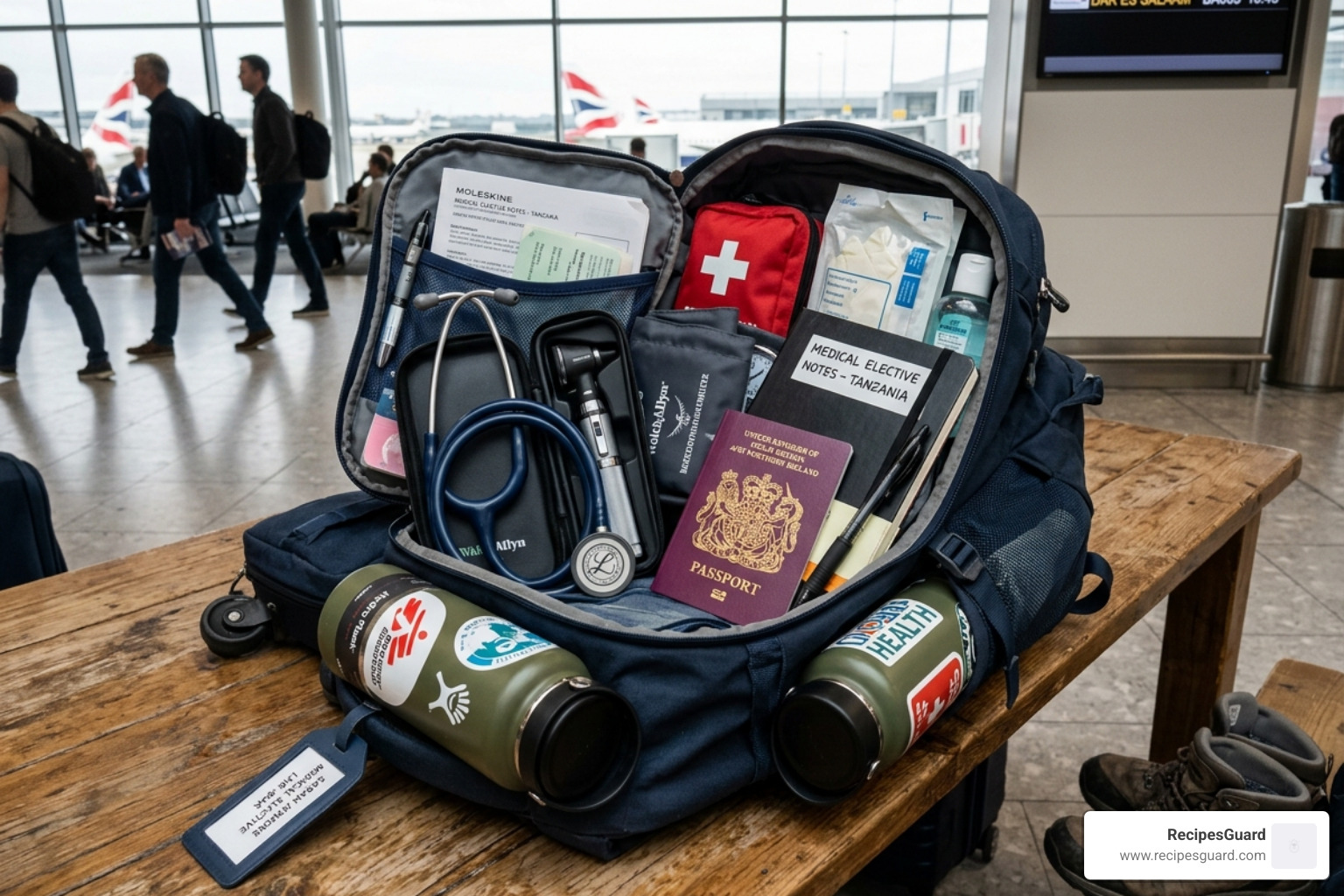
- Portable Equipment: If you’re taking your own stethoscope, diagnostic set, or laptop, ensure they are covered.
- Personal Injury: Ensure the policy covers you for needle-stick injuries or infections contracted while working in the hospital.
Navigating Exclusions and Risks in Your Student Elective Claim Overseas
Understanding what is not covered is just as important as knowing what is. In insurance, “elective” usually means “optional,” but for your degree, it’s a requirement. However, insurers use “elective” to describe “non-emergency” care. If you travel abroad specifically to receive medical care (medical tourism), your insurance will likely be void.
Common Policy Limitations
- High-Risk Activities: If you decide to go bungee jumping or scuba diving on your weekend off, check your policy. Many standard plans exclude “adventure sports.”
- Unsupervised Work: If you perform a procedure without a supervisor present, any subsequent student elective claim overseas for indemnity will likely be denied.
- Geographic Limits: Some indemnity providers exclude the USA and Canada due to high litigation costs, while others require special arrangements for Australia. For example, students using OS-HELP and overseas study loans must ensure their insurance meets Australian government regulations.
Financial and Health Vulnerabilities
The risks aren’t just legal. We’ve seen cases where students encounter antibiotic-resistant infections or face massive bills due to language barriers in aftercare. A minor injury treated in a foreign hospital can easily result in a bill exceeding $10,000. Without a solid policy, you are personally liable for these costs.
Step-by-Step Guide to Filing a Student Elective Claim Overseas
If the unthinkable happens, don’t panic. Following a structured process ensures your claim isn’t rejected on a technicality.

Documentation Required for Reimbursement
To get your money back, you need “paper trails.” We recommend keeping a digital folder with:
- Medical Records: Copies of any treatment you received.
- Written Agreements: Your placement contract and university approval.
- Original Receipts: Every pharmacy bill, hospital invoice, and taxi receipt related to the incident.
- Police Reports: Essential for stolen items or serious accidents.
- Indemnity Certificates: Your proof of coverage from providers like those found via Request Electives Protection.
Initiating the Claim Process
- Call the Hotline: Most insurers require notification within 24 to 48 hours.
- Get a Claim Number: Use this in all future correspondence.
- Submit Evidence: Don’t wait until you get home. Use mobile apps to upload photos of receipts immediately.
- Post-Return Monitoring: If you were exposed to a health risk (like a needle-stick), continue to document follow-up blood tests for up to 12 months, as some complications take time to appear.
Pre-Departure Planning for a Successful Student Elective Claim Overseas
A successful claim actually starts months before you leave Australia. Proper administrative prep means you won’t have your claim denied because you lacked a proper visa or work permit.
Health and Safety Preparations
- Immunizations: Ensure you are up to date. Many host hospitals (especially in New Zealand or the UK) have strict requirements.
- MASTA/FCDO Advice: Check travel advisories for your destination. If you travel to a “Do Not Travel” zone, your insurance is effectively worthless.
- Medical Kit: Carry a basic kit, but ensure all medications are legal in your host country.

Administrative Checklists
Before you head to the airport, verify the following:
- Passport: Must be valid for at least 6 months after your planned return date.
- Visas: Ensure you have the correct category. In some countries, applying for a “work” visa instead of a “student/trainee” visa can lead to legal issues.
- Indemnity: Have your certificate of insurance printed and ready to show your host. The Overseas Electives Scheme at many universities will not allow you to start without this.
Frequently Asked Questions about Student Elective Claims
What is the difference between elective indemnity and standard travel insurance?
Elective indemnity (professional protection) covers you for clinical negligence or medicolegal issues arising from your work with patients. Standard travel insurance covers personal emergencies like your own illness, lost luggage, or flight cancellations. You need both for an overseas elective.
Can I claim for an elective procedure if I am in the USA or Canada?
It depends on your provider. Some organizations provide free elective protection for these regions, while others (like some UK-based nursing unions) specifically exclude them. Always check the “territorial limits” section of your policy before booking.
How long do I have to submit my claim after returning home in 2026?
Most providers require you to file the formal paperwork within 30 to 90 days of your return. However, you must notify them of the incident much sooner—usually within 48 hours. Waiting until you are back in Australia to report a month-old incident is a surefire way to have your student elective claim overseas rejected.
Conclusion
Navigating the complexities of a student elective claim overseas doesn’t have to be a headache. By distinguishing between your professional indemnity and your travel insurance, and by keeping meticulous records of your clinical placement, you can protect both your health and your bank account.
At RecipesGuard, we specialize in helping students navigate these tricky waters. From step-by-step claim filing tutorials to advisory guides on the best coverage for Australian students, we are here to ensure your focus stays on your patients, not your paperwork.
Safe travels, and enjoy the incredible experience of your overseas elective! For more detailed tutorials on filing your claim, explore our latest insurance advisory resources.

My name is Bianca, and my journey into the world of fermentation and food safety began with a costly mistake. I once lost an entire season’s harvest of chili peppers because I relied on guesswork instead of science. That failure was my turning point.
