
Don’t Let Your Money Take a Solo Trip Without You
You Paid for Protection — But Can You Get That Money Back?
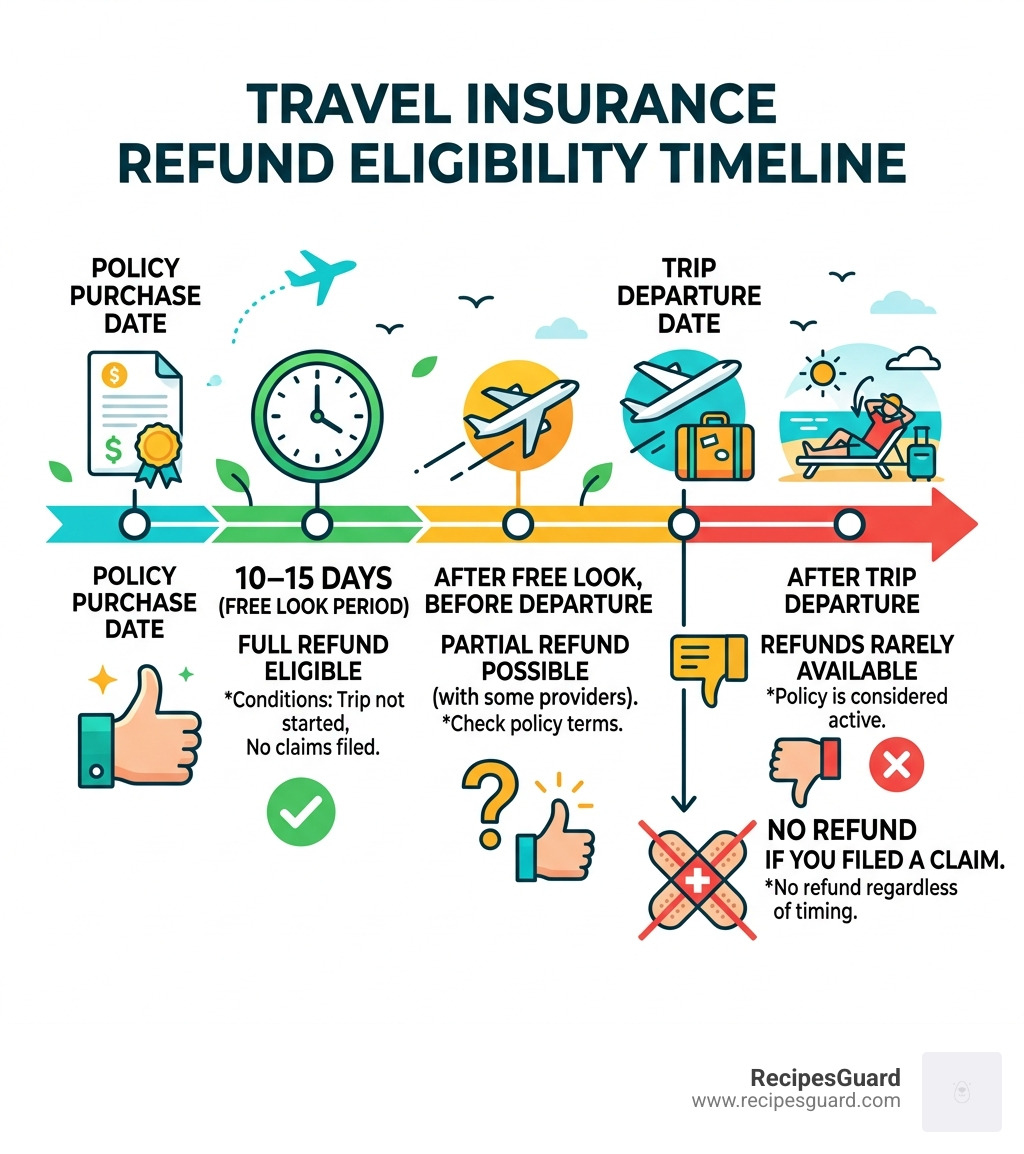
A travel insurance refund is possible — but only if you act at the right time and meet the right conditions. Here’s the quick answer:
- Within 10–15 days of purchase (the “free look” period): Full refund, as long as your trip hasn’t started and you haven’t filed a claim.
- After the free look period, before departure: Partial refund possible with some providers, depending on your policy.
- After your trip has started: Refunds are rarely available. Your policy is considered active.
- If you filed a claim: No refund, regardless of timing.
Picture this: you’ve booked flights, reserved accommodation, and done everything right — including buying travel insurance. Then your plans fall apart. Maybe a visa got denied, a program got cancelled, or a family emergency changed everything. Now you’re wondering if you can get that insurance premium back.
The answer depends on when you ask and which policy you have.
Most travel insurance policies include a short window — typically 10 to 15 days after purchase — called the “free look” or “money back guarantee” period. Cancel within this window (before your trip starts, before any claims), and you’re usually entitled to a full refund. Miss that window, and your options shrink fast.
For international students juggling unfamiliar insurance systems on top of visa paperwork and course changes, this can feel overwhelming. But the rules are simpler than they look — once you know them.
The Ultimate Guide to Securing a Travel Insurance Refund
When we talk about a travel insurance refund, we are referring to the return of the premium you paid to the insurance company. This is distinct from a “claim payout,” where the insurer pays you for a cancelled flight or a medical bill. To get your premium back, you have to navigate the “Money-Back Guarantee” or “Free Look” period.
In April 2026, the travel landscape in Australia remains dynamic, and consumer rights are stronger than ever. The free look period is a legally mandated or contractually promised window, often aligned with the Australian Competition and Consumer Commission (ACCC) guidelines, that allows you to review the fine print of your policy. If you realize the coverage isn’t right for you—perhaps you found you already have coverage through your university or a high-end credit card—you can cancel for a 100% refund.
Typical free look periods last between 10 and 15 days. During this time, the insurer assumes you are “test-driving” the policy. As long as you haven’t boarded your plane and haven’t called the 24/7 assistance line to start a claim, you can walk away with your money intact. It is one of the most powerful tools for any traveler to avoid “duplicate coverage” or “buyer’s remorse.”
When is a travel insurance refund denied?
While we always hope for a smooth process, there are several “red zones” where a refund becomes impossible. Understanding these pitfalls is essential for protecting your wallet.
- Filed Claims: This is the most common reason for denial. Even if you are within the 10-day free look window, if you have already filed a claim (even a small one for a delayed bag), the policy is considered “used.” You cannot return a product you have already benefited from.
- Trip Departure: The moment you depart for your trip, the risk for the insurance company begins. Even if you bought the policy yesterday and are within the 10-day window, if you are currently sitting in a terminal in Sydney waiting for a flight to London, the policy is active and non-refundable.
- Multi-trip or Annual Plans: These plans are convenient for frequent travelers, but they often have stricter rules. Many annual plans become non-refundable immediately upon the “effective date” (the day the policy starts), regardless of whether you have taken your first trip yet.
- Policy Expiry: You cannot request a refund for a policy that has already ended.
Conditions for Full vs. Partial Premium Returns

Getting a full refund is generally tied to the purchase date, while partial refunds are often tied to the “effective date” or “departure date.”
| Scenario | Refund Eligibility | Requirements |
|---|---|---|
| Within 15 days of purchase | Full Premium | No departure, no claims filed. |
| After 15 days, but before trip starts | Partial/Discretionary | May incur admin fees; depends on provider. |
| Carrier cancels the trip | Full Premium | Proof that the supplier cancelled and waived penalties. |
| Early return from trip | Partial Premium | No claims made; proof of early return required. |
In 2026, we see more providers offering flexibility if a travel supplier (like an airline or tour operator) cancels your entire trip and waives their own penalties. If your trip no longer exists through no fault of your own, many insurers will consider a full refund of the premium even outside the free look period, provided no claim is made.
Partial refunds for early returns
What happens if you’re halfway through a three-month study abroad program in Melbourne and you have to fly home early? You might be entitled to a partial travel insurance refund for the “unused” portion of your policy.
To qualify for this, you must notify your insurer before the plan’s original expiry date. You cannot get home, wait a month, and then ask for money back. Insurers will also require strict proof of your early return. This usually includes:
- A copy of your boarding pass showing your return flight date.
- Customs stamps in your passport.
- Gas or taxi receipts from your home city.
If you have already used the insurance for a medical visit during the first half of your trip, you are generally ineligible for a partial refund on the remaining half.
The Impact of Credit Card Coverage and Duplicate Policies
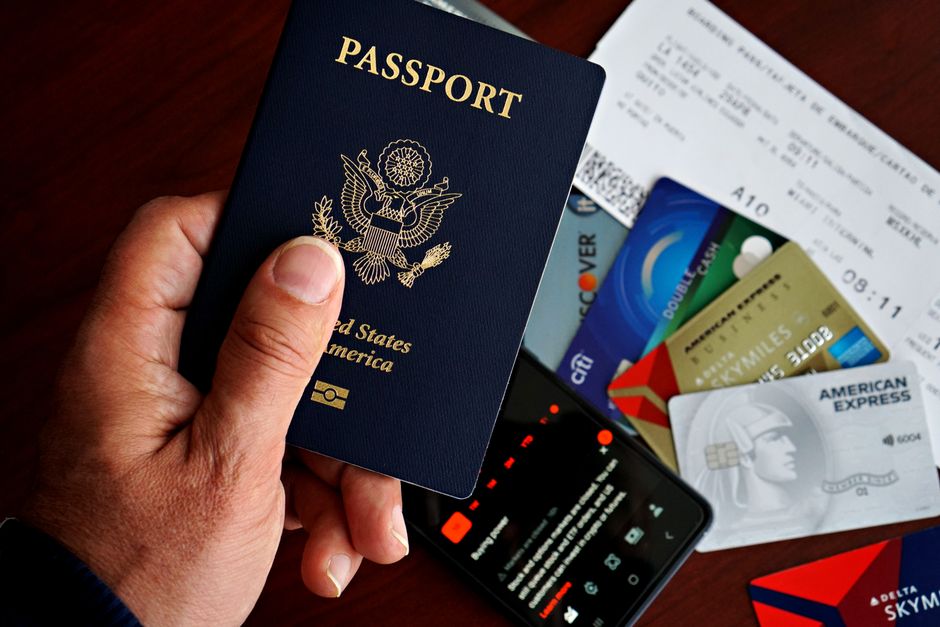
Many travelers, especially students with “Gold” or “Platinum” tier cards, don’t realize they might already have travel insurance. This is a primary reason people seek a travel insurance refund shortly after purchase.
Credit card-provided insurance is often “automatic” if you pay for your trip using that card. However, these policies can be thin on coverage, often lacking the high medical limits or specific “Cancel For Any Reason” (CFAR) benefits that a standalone policy provides.
If you discover you have duplicate coverage, we recommend comparing the two policies immediately. If the credit card coverage is sufficient, cancel the standalone policy within the 10-15 day free look period. If you wait too long, you’ll be stuck paying for two policies but only being able to claim on one (as most insurance contracts prevent “profiting” from a loss by claiming twice for the same event).
Step-by-Step Guide to Requesting Your Money Back
Requesting a refund doesn’t have to be a bureaucratic nightmare. If you follow these steps, most refunds are processed within 5 to 14 business days.
- Gather Your Documents: You will need your policy number, your original purchase receipt, and a reason for cancellation.
- Verify Claim Status: Double-check that no one on your policy has initiated a claim.
- Submit a Written Request: While some companies allow phone cancellations, a written request (via email or an online portal) provides a paper trail. Use a simple template: “I am writing to request a full refund of premium for policy #12345 under the 15-day money-back guarantee. I confirm that no trip has been taken and no claims have been filed.”
- Confirm the Timeline: Ask for a confirmation email. Most refunds to credit cards appear within 3-14 business days, depending on your bank.
Special considerations for a student travel insurance refund
At RecipesGuard, we specialize in the unique hurdles faced by students. A student travel insurance refund often involves factors that “standard” travelers don’t face.
- Visa Denials: If your student visa is rejected, your trip is effectively cancelled before it begins. Most insurers will provide a full refund of the premium if you provide the official denial letter from the embassy, even if you are outside the free look period.
- Academic Program Changes: If your university moves a semester online or cancels a study abroad exchange, this is a valid reason to seek a refund or a policy modification.
- Step-by-Step Filing: We provide specific tutorials for students on how to document these academic-related cancellations to ensure the insurer doesn’t just keep your premium.
Frequently Asked Questions about Travel Insurance Refunds
Can I get a refund after my trip has already started?
Generally, no. Once the trip has commenced, the insurance company has begun “earning” the premium by providing coverage. The only exception is a pro-rated partial refund if you return to Australia early and haven’t made any claims.
Does filing a small claim prevent a full policy refund?
Yes. In the eyes of the insurer, a claim is a claim. Whether it’s a $50 doctor’s visit or a $50,000 medical evacuation, once you utilize the benefits of the policy, you have “consumed” the product and are no longer eligible for a premium refund.
Are administrative fees charged for canceling outside the free look period?
Often, yes. While the free look period is usually fee-free, canceling later—but before the trip starts—may result in an administrative fee (typically around $50 AUD). Some insurers may also offer a “voucher” for future travel instead of a cash refund if you are outside the guarantee window.
Conclusion
Navigating a travel insurance refund is all about timing and documentation. Whether you are a student heading to the UK for a semester or a traveler exploring the Australian Outback, knowing your rights during that 10-15 day “free look” window can save you hundreds of dollars.
At RecipesGuard, we believe that insurance should be a safety net, not a trap. By understanding the difference between a premium refund and a claim payout, and by acting quickly when plans change, you ensure that your hard-earned money stays where it belongs: with you.
If you are a student facing a complex claim or a confusing cancellation, don’t navigate it alone. We offer step-by-step tutorials tailored specifically to the academic travel experience.
Secure your student travel future with RecipesGuard

My name is Bianca, and my journey into the world of fermentation and food safety began with a costly mistake. I once lost an entire season’s harvest of chili peppers because I relied on guesswork instead of science. That failure was my turning point.
