
Why the Student Delay Claim Process Leaves So Many Borrowers Stuck
The student delay claim process is one of the most frustrating experiences a borrower can face — and unfortunately, it affects hundreds of thousands of people right now, including many Australian students studying abroad or enrolled in international programs.
Here is a quick overview of what you need to know:
| Situation | What It Means for You |
|---|---|
| Borrower defense backlog | Over 260,000 claims unresolved; some waiting 6+ years |
| Government funding lapse | Some FSA offices close temporarily; FAFSA processing continues |
| Sweet v. Cardona lawsuit | Court-ordered deadlines may speed up your claim |
| Involuntary collections | Temporarily paused while repayment reforms are implemented |
| School misconduct claims | File borrower defense at StudentAid.gov for possible discharge |
If you attended a school that misled you, or you are simply waiting on federal student aid to be processed, delays can feel endless. The backlog is real. Roughly 250,000 borrower defense applications were filed in the latter half of 2022 alone — and another 250,000 were filed between late 2022 and May 2025. Many of those applicants, including international students from Australia, are still waiting.
The human cost is significant. One clinical psychology graduate who attended Argosy University was promised an APA-accredited internship that never materialized. Her debt grew from $250,000 to $400,000 due to interest — delaying major life decisions along the way. Her story is not unique.
Whether you are dealing with a borrower defense claim, a government shutdown affecting your financial aid, or a school that has closed its doors, understanding why delays happen — and what you can do — is the first step.
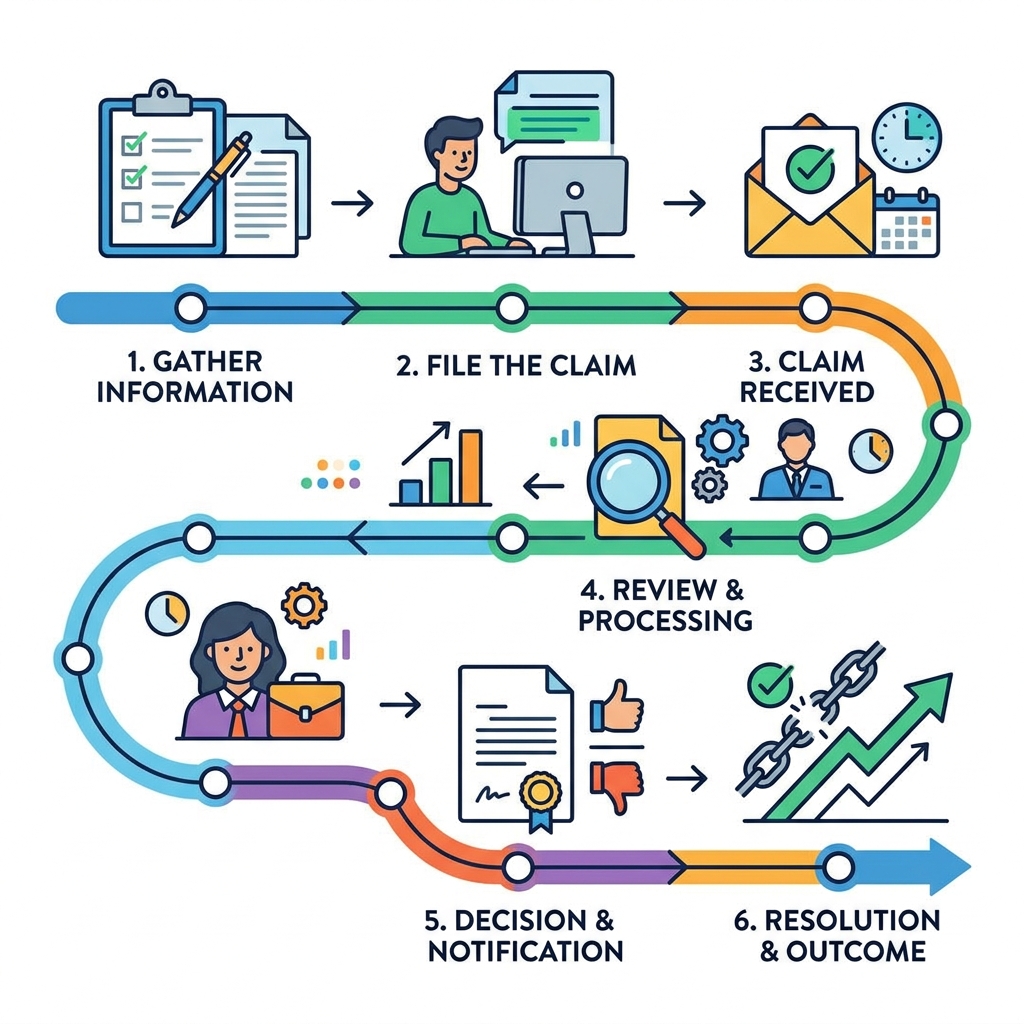
Student delay claim process basics:
Understanding the Student Delay Claim Process for Federal Aid
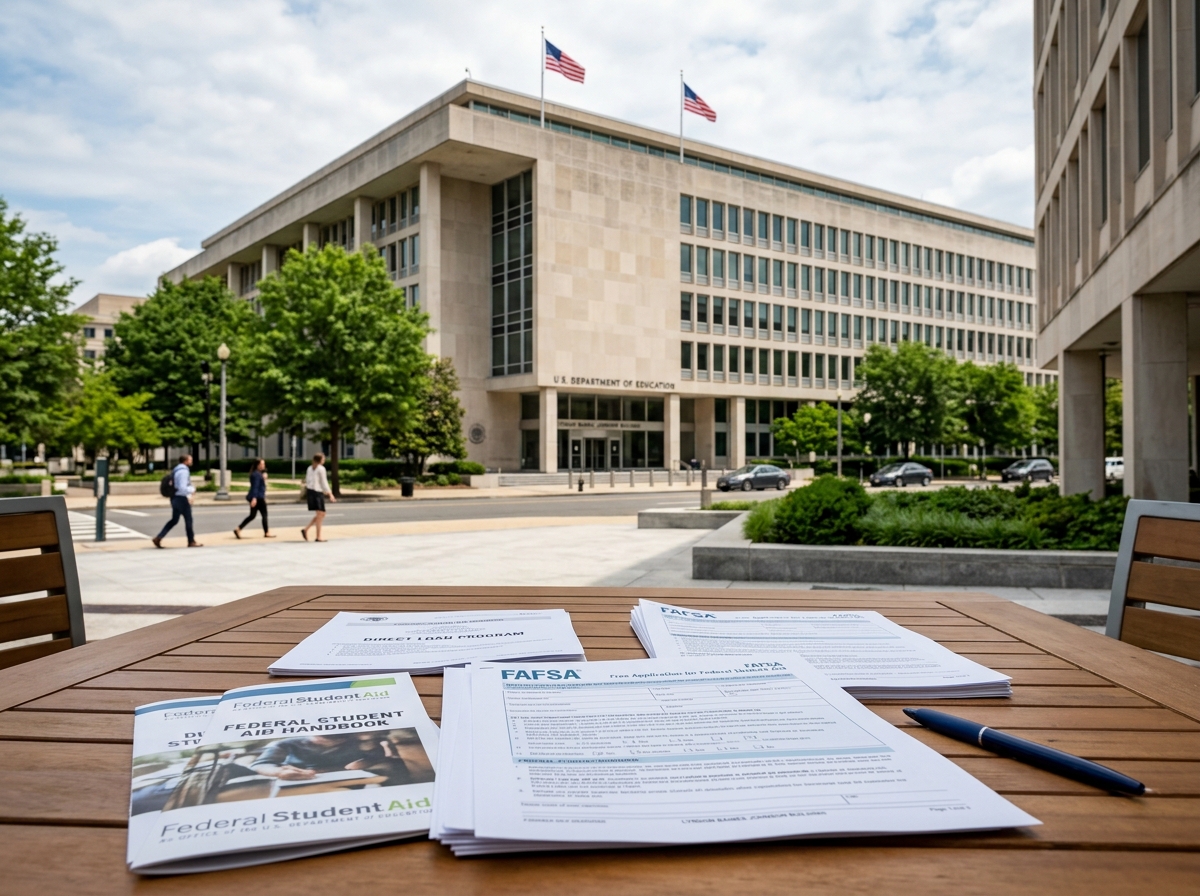
Navigating federal student aid can often feel like trying to run a marathon through waist-deep molasses. When we talk about the student delay claim process, we are usually referring to the administrative journey of a borrower seeking relief from their federal student loans. Currently, the U.S. Department of Education is grappling with a massive backlog of roughly 250,000 applications for student loan relief that were filed in late 2022. For Australian students studying in the U.S., navigating this American bureaucracy adds an extra layer of complexity.
This isn’t just a minor administrative hiccup; it is a systemic bottleneck. Whether you are applying for a discharge because your school closed or because they defrauded you, your application enters a queue that has grown exponentially over the last several years. You can check general updates and log into your account at StudentAid.gov, but during peak backlog periods, seeing a “pending” status for months (or years) has become the norm.
What Constitutes a Student Delay Claim Process?
At its core, this process involves the legal and administrative steps required to have federal student loans discharged or forgiven. The most common type of claim currently facing delays is “Borrower Defense to Repayment.” This is a legal protection that allows borrowers to seek a discharge of their federal Direct Loans if their school misled them or engaged in other misconduct in violation of state law.
While we often help students in Australia and abroad navigate more info about travel insurance claims, the stakes here involve tens of thousands of dollars in long-term debt. A “delay” in this context means the Department of Education has exceeded the typical timeframe for reviewing evidence and issuing a decision, leaving the borrower in a state of financial limbo.
Primary Reasons for Processing Backlogs
Why is the line so long? Several factors have converged to create the current 260,000 unresolved claims:
- Administrative Transitions: Changes in presidential administrations often lead to shifts in how claims are prioritized or processed.
- Staffing and Funding: Budgetary constraints and staffing shortages at the Federal Student Aid (FSA) office mean fewer people are available to review complex legal evidence.
- The “Form Denial” Era: Under previous leadership, thousands of claims were denied using “blanket denial” letters. When courts ruled these were unlawful, those 128,000 applications had to be moved back into the “pending” pile, effectively doubling the workload.
- System Maintenance: Critical infrastructure like the Common Origination and Disbursement (COD) website occasionally undergoes maintenance or faces operational shifts during government funding gaps, which can slow down the transmission of data.
The Impact of Legal Actions on Borrower Defense Claims
When the system stalls, the courts often have to step in. The most significant legal catalyst for moving the student delay claim process forward is the Sweet v. Cardona lawsuit (formerly Sweet v. DeVos). This class-action suit was filed by borrowers who argued the Department of Education was intentionally ignoring their borrower defense applications. This case has set a global precedent for student rights, watched closely by education advocates in Australia and beyond.
Judge William Alsup, presiding over the case in San Francisco, has been a key figure in holding the government accountable. The Sweet v. Cardona lawsuit details reveal a “sham process” where the government was found to be sending out mass denials without actually reviewing the evidence submitted by students.
Navigating the Student Delay Claim Process After School Misconduct
If you attended a school that made misleading promises about job placement rates or transferrable credits, you aren’t just a “debtor” — you are a victim of misconduct. Organizations like the Project on Predatory Student Lending represent over one million students, including international students, in the fight against these predatory practices.
To navigate a delay caused by misconduct, you must ensure your evidence is airtight. This includes:
- Enrollment agreements and promotional brochures.
- Email correspondence with school recruiters.
- Evidence of school closures or loss of accreditation.
- Third-party findings (like FTC settlements) against the institution.
How the Sweet v. Cardona Settlement Changes Timelines
The Sweet v. Cardona settlement created a massive shift in the student delay claim process. For a class of over 200,000 borrowers, the settlement established specific deadlines.
- January 28, 2026: This is the hard deadline for the government to process claims from a specific list of schools with documented histories of misconduct. If they miss this date, the debt must be cleared entirely.
- Automatic Discharge: Many borrowers associated with the “Class List” schools are entitled to automatic relief, which includes a full discharge of relevant loans and a refund of payments made.
Despite these wins, the government recently attempted to seek an 18-month extension for certain claims. Judge Alsup rejected this bid for schools with prior evidence of misconduct, though some extensions were granted for other schools through April 2026.
How Government Lapses Affect Your Financial Aid
Sometimes, the delay isn’t due to a backlog, but a “lapse in appropriations” — commonly known as a government shutdown. When Congress fails to pass a budget, the Department of Education must operate under a “lapse plan.” For Australian students relying on U.S. federal aid, these shutdowns can cause significant anxiety regarding tuition deadlines.
The good news? Most core systems for students remain operational. You can still fill out the FAFSA at fafsa.gov, and the FAFSA Processing System (FPS) continues to crunch data. However, the human element — the people who answer your questions and process complex claims — may be sidelined.
Operational Systems During a Funding Gap
During a shutdown, the government prioritizes automated systems. Here is what usually stays online:
- NSLDS Professional Access: The National Student Loan Data System (NSLDS) remains available for authorized users to request and receive reports.
- SAIG: The Student Aid Internet Gateway stays operational, allowing schools to send and receive data.
- Loan Servicers: Private companies like Nelnet or MOHELA that manage your loans are not government agencies, so they continue to collect payments and answer phones.
Managing the Student Delay Claim Process During Shutdowns
If you are facing a deadline during a shutdown, don’t panic. The Department of Education typically evaluates deadlines on a case-by-case basis. For example, if you cannot submit a FISAP (Fiscal Operations Report and Application to Participate) because of a system access issue during a lapse, you are usually granted an extension once the government reopens. Australian students should maintain close contact with their university’s financial aid office during these periods to ensure their enrollment remains secure.
Steps to Monitor and Mitigate Processing Delays
Waiting is the hardest part, but you don’t have to be passive. While we advocate for students in the insurance space from our base in Australia, such as our step-by-step guide to filing a travel insurance claim as a student, the same principles of “documentation and persistence” apply to federal debt.
State-Level Protections and Tuition Funds
If your claim involves a private career school or a “for-profit” college, you may have protections beyond the federal level. For example, in New York, the Bureau of Proprietary School Supervision (BPSS) oversees these institutions.
- Tuition Reimbursement Fund: This fund is designed to protect students financially if a licensed private career school closes or if a student’s complaint of misconduct is upheld.
- Filing Limits: In many states, you must file a complaint within two years of the incident to be eligible for state-level funds. You can find a licensed school and check its status via state education department portals.
In Australia, students have similar protections through the Tuition Protection Service (TPS), which assists international students and domestic students at private providers if their institution cannot fully deliver their course of study.
Monitoring Your Claim and Seeking Assistance
To keep your student delay claim process moving, we recommend a proactive approach:
- Keep a Paper Trail: Save every email, “pending” screenshot, and letter.
- Verify Your Contact Info: Ensure your loan servicer and the Department of Education have your current email. Many claims are delayed simply because a borrower missed an “action required” notification.
- Check for “Form Denials”: If you received a denial letter between 2019 and 2021 that seemed generic, it might be one of the 128,000 “unlawful” denials that should be treated as pending.
- Use Ombudsman Services: If your claim has been stalled for more than a year without explanation, escalate it through the FSA Ombudsman or, for Australian-related issues, the Overseas Students Ombudsman.
For those also managing travel-related issues, knowing how to effectively file a travel insurance claim as a student can provide a similar template for success: be organized, be persistent, and know your rights.
Frequently Asked Questions about Student Claim Delays
Why is my borrower defense claim taking six or more years?
The primary reason is the staggering backlog of over 260,000 claims. Between 2019 and 2021, the processing of these claims almost entirely stopped due to policy changes and legal battles. When the Sweet v. Cardona settlement was reached, it forced the Department to restart the engine, but the sheer volume of 250,000 new applications filed recently has kept the wait times high for students globally, including those from Australia.
Are involuntary student loan collections currently paused?
Yes, there is a temporary delay in the U.S. The U.S. Department of Education recently announced a pause on involuntary collections, such as Administrative Wage Garnishment (AWG) and the Treasury Offset Program (TOP). This delay is intended to give the government time to implement new repayment reforms. Similarly, in Australia, students should stay informed about HECS-HELP indexation changes and repayment threshold adjustments that may affect their financial planning.
What should I do if my school closes during the claim process?
If your school closes while your student delay claim process is active, you may be eligible for a “Closed School Discharge.” This is often faster than a borrower defense claim. You should also check if your state has a Tuition Reimbursement Fund. In Australia, you would contact the Tuition Protection Service (TPS). Ensure you have a copy of your enrollment agreement and your transcript, as these are vital for proving you were enrolled at the time of closure.
Conclusion
At RecipesGuard, based in Australia, we know that whether you’re dealing with an insurance provider or a federal agency, the “waiting game” is more than just an inconvenience — it’s a hurdle to your financial future. 96% of students involved in recent debt lawsuits reported that their lives were made worse by the schools they attended, and prolonged delays only extend that hardship.
Our mission is to provide the tutorials and advice you need to navigate these complex systems, whether you are studying in Sydney or San Francisco. By staying informed about court rulings like Sweet v. Cardona and monitoring government operational status, you can take back control of your claim.
Visit RecipesGuard for more student claim guides and let us help you turn “pending” into “processed.”
