
The Travel Insurance Exclusions That Catch Most Travelers Off Guard
A travel insurance exclusion is any situation, event, or condition that your policy specifically will not cover — and these gaps can cost you thousands if you don’t know about them before something goes wrong.
Here are the most common exclusions found in travel insurance policies:
- Pre-existing medical conditions — not covered unless you qualify for a waiver
- Known or foreseeable events — like a storm that was already named before you bought your policy
- Hazardous or extreme sports — skydiving, bungee jumping, and similar activities are usually excluded by default
- Alcohol or drug-related incidents — losses tied to intoxication are almost universally denied
- Change of mind or fear of travel — not a valid reason for cancellation without a special add-on
- Routine medical care, elective procedures, and medical tourism — travel insurance is for emergencies, not planned treatments
- War, civil unrest, and government travel advisories — especially if the advisory was issued before you purchased your policy
- Unattended baggage and high-value items — limits apply, and negligence voids claims
Travel insurance is one of those things that feels like a safety net — until you actually need it and discover the net has holes.
The hard truth is that most policies only cover unexpected, unforeseen events. Anything your insurer can argue you “reasonably should have known” about? That’s likely excluded.
For international students especially, this matters a lot. You’re navigating a foreign healthcare system, dealing with trip disruptions far from home, and probably filing a claim for the first time. The last thing you need is a denial letter because of a policy term you didn’t know existed.
Understanding what isn’t covered is just as important as knowing what is.

Common General Travel Insurance Exclusions You Need to Know
When we talk about a travel insurance exclusion, we are looking at the “fine print” that defines the boundaries of your protection. Think of travel insurance like SPF50 for your holiday; it protects you from the burn, but if you jump into a volcano, the sunscreen isn’t going to help.
One of the most frequent points of confusion involves medical care. Many travelers assume that any doctor’s visit abroad will be reimbursed. In reality, travel insurance is designed for emergency medical situations. This means routine care—like a physical exam, a standard dental cleaning, or a check-up for a minor cough you’ve had for months—is almost always excluded.
Medical Tourism and Elective Procedures
We’ve seen an increase in medical tourism, where travelers head to destinations like Thailand or Turkey for affordable cosmetic surgery or dental implants. It is vital to understand that travel insurance does not cover these elective procedures. Furthermore, if you suffer complications from a surgery you planned to have abroad, your insurer will likely deny the claim. They view this as a self-imposed risk rather than an unforeseen accident.
The “Intoxication” Clause
We all want to enjoy a few cocktails by the pool, but there is a major travel insurance exclusion regarding alcohol and illegal drugs. If you are injured while under the influence, most insurers will deny your claim. In some regions, like Australia and New Zealand, insurers might even use specific blood alcohol thresholds (sometimes as high as 950 micrograms per litre of breath) to determine if your “lack of reasonable care” led to the incident. If you trip and break your arm because you were intoxicated, you’ll likely be footing that hospital bill yourself.
For students, navigating these terms can be tricky. We recommend checking out our guide on How to Uncover Hidden Fees in Student Insurance to ensure you aren’t paying for “coverage” that actually excludes your lifestyle.
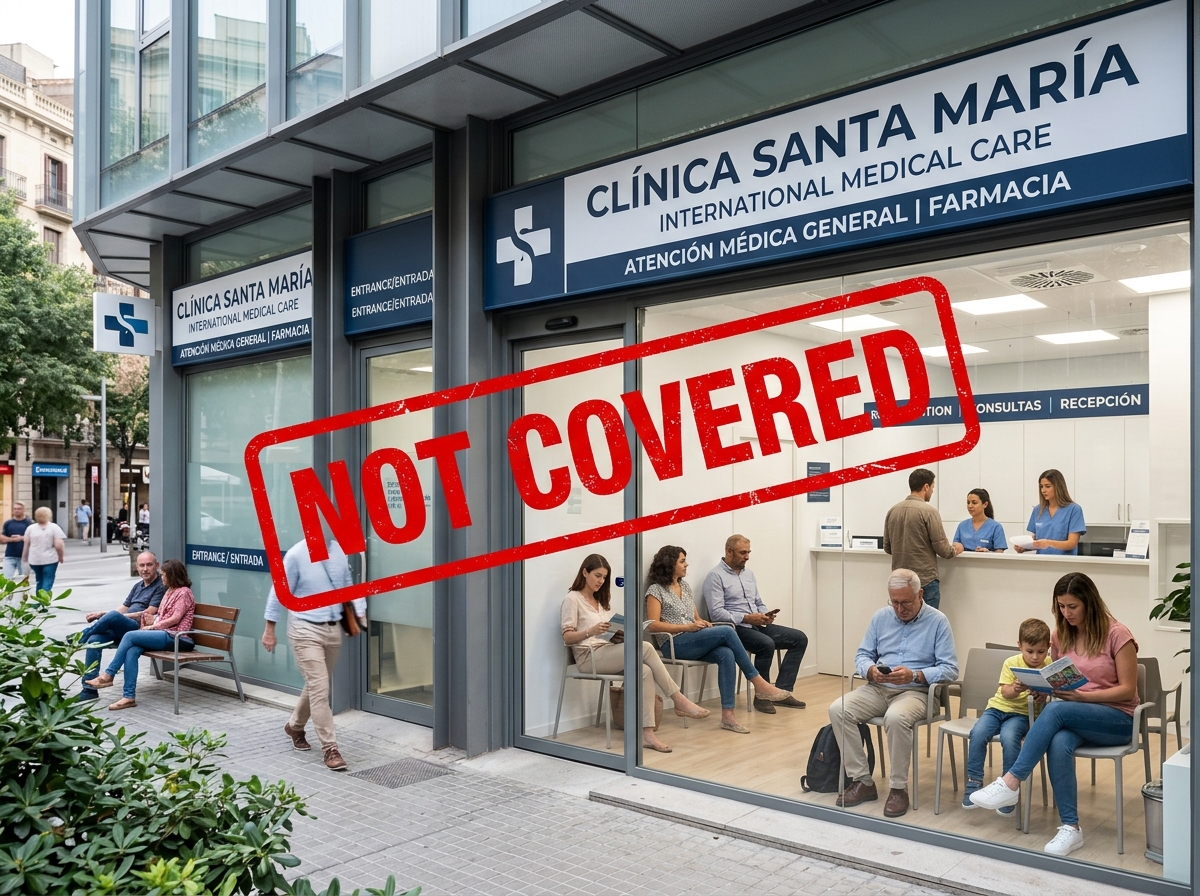
Managing the Pre-existing Travel Insurance Exclusion
The “pre-existing condition” is perhaps the most famous travel insurance exclusion. Insurers generally define this as any injury, illness, or medical condition that you received treatment for, took medication for, or showed symptoms of within a specific “look-back period” (usually 60 to 180 days before you bought the policy).
If you have asthma and experience a flare-up while hiking in the Blue Mountains, the insurer will check your medical history. If you’ve seen a doctor for asthma in the last few months, they may label it a pre-existing condition and deny the claim.
However, there is a way around this: the Pre-existing Condition Waiver. To qualify for this, you typically must:
- Purchase your insurance plan within a strict window (usually 14 to 21 days) of making your first trip payment.
- Insure the full, non-refundable cost of your trip.
- Be medically fit to travel at the time you buy the policy.
Timing is everything. If you wait until the week before you fly to buy insurance, you’ve likely lost the chance to cover your chronic conditions. For a deeper dive into this, see our article on Understanding Medical Emergency Coverage in Student Travel Insurance.
Pregnancy and Childbirth Limitations
Pregnancy is another area where the fine print matters. Most standard policies will cover unexpected complications of pregnancy—such as an emergency C-section or pre-eclampsia—as long as they occur within a certain window (often up to 26 or 31 weeks).
However, routine prenatal care, such as ultrasounds or standard check-ups while traveling, is a standard travel insurance exclusion. Furthermore, “normal” childbirth is rarely covered. If you decide to travel late in your third trimester and go into labor, the costs associated with the birth and neonatal care are usually your responsibility. Always check the “travel window” in your policy wording to see how many weeks into the pregnancy you are still eligible for emergency coverage.
Activity and Adventure: What’s Not Covered by Default
If your idea of a vacation involves more than just sitting on a beach, you need to pay close attention to the “hazardous activities” section. Most standard travel insurance policies exclude “high-risk” sports because the statistical likelihood of an injury is much higher.
Commonly excluded activities include:
- Skydiving and paragliding
- Bungee jumping
- Scuba diving (often excluded if you go below 30 or 40 meters, or if you aren’t PADI certified)
- Mountain climbing with specialized equipment (ropes and picks)
- Professional athletics or organized competitions
If you’re a student heading on an adventure-filled gap year, you might need an “adventure rider” or a specific “extreme sports” add-on. Without it, a broken leg from a skiing accident could result in a massive medical bill and a denied claim. We’ve put together a specialized Adrenaline Junkie’s Guide to Filing an Injury Claim for those who live life on the edge, as well as a list of Travel Insurance Plans with Adventure Sports Coverage.
High-Risk Sports and the Travel Insurance Exclusion
It’s not just the activity itself that matters, but the context. For example, many Australian policies will cover “leisurely” cycling, but the moment you enter a competitive race or go mountain biking on “black diamond” trails, you’ve hit a travel insurance exclusion.
Search and rescue is another critical gap. If you get lost while hiking in a remote area, the cost of a helicopter rescue can be astronomical. Most standard policies exclude search and rescue unless it is part of a life-saving medical evacuation from a known location. Always verify if your policy includes “Mountain Rescue” if you plan on trekking.
External Disruptions: Known Events, War, and Advisories
One of the most frustrating reasons for a claim denial is the “Known Event” rule. Travel insurance is for the unforeseen. Once an event is publicized, it becomes a “known” or “foreseeable” event, and you can no longer buy insurance to protect yourself from it.
Named Storms and Natural Disasters
If you see a hurricane being named on the news and then rush to buy travel insurance for your trip to the Caribbean, you are too late. Once the National Oceanic and Atmospheric Administration (NOAA) or a similar authority names a storm, it is a known entity. Any policy purchased after that point will exclude coverage for disruptions caused by that specific storm.
Government Travel Advisories
In Australia, we rely heavily on the Smartraveller advisories issued by the Department of Foreign Affairs and Trade (DFAT). If a destination is listed as “Do Not Travel” (Level 4) before you buy your policy, and you go anyway, your insurance is likely void for any claims related to the reason for that advisory. If the advisory is issued after you buy your policy, you may have grounds for a trip cancellation claim, but you must act quickly.
War and Civil Unrest
War is a standard travel insurance exclusion across the industry. Whether it’s an official declaration of war or a localized civil uprising, insurers generally do not cover losses resulting from these events. This is because the risks are too high to “pool” effectively. As we saw with recent conflicts in the Middle East, thousands of travelers found themselves stranded with no insurance recourse because their policies explicitly excluded acts of war. For more tips on what to look for, check out Things to Check Before Buying Student Travel Insurance.
Cancellation and Baggage: Understanding Policy Limits
“I just don’t feel like going anymore.” We’ve all been there, but unfortunately, “change of mind” is not a covered reason for cancellation. Unless you have a specific death in the family, a serious illness, or a jury duty summons, your standard policy won’t pay out for a cancelled trip.
To get around this, some travelers opt for Cancel For Any Reason (CFAR) coverage. This is an upgrade that typically allows you to cancel for literally any reason—including fear of travel or a breakup—and get back 50% to 75% of your non-refundable costs. However, CFAR usually costs 40% to 50% more in premiums and must be purchased within a few days of your initial trip deposit.
The Baggage “Negligence” Trap
Baggage coverage is great, but it has strict limits. If you leave your laptop on a café table while you go to the bathroom, that is considered “unattended” baggage. Leaving items in an unlocked car or a public hostel room also falls under the “lack of reasonable care” travel insurance exclusion.
| Feature | Standard Cancellation | Cancel For Any Reason (CFAR) |
|---|---|---|
| Reason Required | Must be a “Covered Reason” (e.g., illness, death) | No reason required |
| Reimbursement | Up to 100% of non-refundable costs | Usually 50% – 75% |
| Purchase Window | Can be bought anytime before departure | Must be bought within 14-21 days of first deposit |
| Cost | Included in base premium | Extra 40% – 50% premium increase |
High-value items like jewelry, professional camera gear, and expensive electronics often have a “per-item limit” (e.g., $500 per item). If your $3,000 MacBook is stolen, a standard policy might only pay out a fraction of its value. We always suggest Picking the Right Coverage as a Student Traveler to ensure your study tools are actually protected.
How to Avoid a Travel Insurance Exclusion Claim Denial
The best way to ensure your claim is paid is to be proactive. Insurers aren’t necessarily looking for reasons to say “no,” but they are bound by the legal contract you signed.
- Respect the 14-Day Window: Many of the best benefits (like pre-existing condition waivers and CFAR) require you to buy the policy within 14 to 21 days of your first trip payment.
- Make “Reasonable Efforts”: Before filing a claim for a cancelled flight, you must first try to get a refund or voucher from the airline. Most insurers will ask for proof that the airline refused to reimburse you.
- Document Everything: If your phone is stolen, you need a police report filed within 24 hours. If you are sick, you need a medical certificate from a local doctor at the time of the illness. You cannot wait until you get home to see your family GP.
- Read the “Certificate of Insurance”: We know it’s boring, but this document lists every single travel insurance exclusion specific to your plan.
Avoiding Common Mistakes Students Make with Travel Insurance starts with education. Many students assume their university health plan covers them abroad, but as we explain in our guide on Mistakes Students Commonly Make with Travel Insurance, those plans often lack critical benefits like medical evacuation or trip interruption.
Frequently Asked Questions about Travel Exclusions
Is “fear of travel” a valid reason for a claim?
No. Standard travel insurance does not cover “fear of travel,” even if there has been a recent event like a terrorist attack or a disease outbreak in your destination (unless a government advisory has changed to “Do Not Travel”). To be covered for fear or a change of heart, you must purchase a Cancel For Any Reason (CFAR) add-on.
Does travel insurance cover incidents involving alcohol?
Generally, no. If an insurer determines that your injury or loss was caused by intoxication, the claim will be denied. They often use medical records or police reports to check for alcohol involvement. While having a glass of wine with dinner is fine, being “visibly impaired” is a major travel insurance exclusion.
Can I get coverage for a storm that has already been named?
No. Once a storm is named by a meteorological authority (like the Bureau of Meteorology in Australia or NOAA in the US), it is considered a “known event.” Any policy purchased after the naming will exclude any claims related to that storm. This is why we always say: buy your insurance the same day you book your flights!
Conclusion
Navigating travel insurance can feel like learning a second language, but understanding the travel insurance exclusion list is the best way to protect your wallet. Whether it’s a pre-existing medical condition, a “known” hurricane, or an adventurous afternoon of bungee jumping, knowing where your coverage ends allows you to make better choices—and perhaps buy the right add-ons before you leave.
At RecipesGuard, we specialize in helping students navigate these complex waters. From step-by-step claim filing tutorials to expert advisory on the best policies for studying abroad, we are here to make sure you don’t get grounded by the fine print.
Before you head off on your next adventure, take a moment to compare plans and read the exclusions carefully. A little bit of research today can save you a mountain of debt tomorrow. More info about our services can be found on our about page, where we detail how we support the student traveler community in Australia and beyond. Safe travels!
